Decoding the Minecraft Villager Breeding Mystery: Jobs, Beds, and Baby Boom!
Fast answer first. Then use the tabs or video for more detail.
- Watch the video explanation below for a faster overview.
- Game mechanics may change with updates or patches.
- Use this block to get the short answer without scrolling the whole page.
- Read the FAQ section if the article has one.
- Use the table of contents to jump straight to the detailed section you need.
- Watch the video first, then skim the article for specifics.
Yes, villagers can absolutely make babies even if they have jobs in Minecraft. In fact, having a job is often a prerequisite for breeding, as it signifies the villager is active and contributing to the village economy. The key elements for successful villager breeding are willingness, sufficient beds, and enough food. Let’s delve into the intricacies of villager reproduction to ensure your Minecraft villages are bursting with new life!
The Villager Breeding Algorithm: A Deep Dive
Minecraft villager breeding isn’t just random chance; it’s a carefully orchestrated system governed by several conditions. Understanding these conditions is crucial for anyone looking to populate their virtual settlements.
The Three Pillars of Villager Reproduction:
-
Willingness: Villagers need to be “willing” to breed. This isn’t about romance; it’s about food! Villagers become willing by possessing enough food in their inventory. They can obtain food through farming, trading, or by having it tossed to them by the player. A willing villager will display hearts above their head, signaling their readiness to breed.
-
Sufficient Beds: For each baby villager you want to create, you need an unclaimed bed within the village boundary. This bed must be accessible to the villagers. Blocking the path to the bed will prevent breeding. Minecraft uses the number of beds as a cap on the total villager population.
-
Village Recognition: The game needs to recognize a village. A village is defined by a collection of beds and villagers within a certain radius. Establishing a valid village is fundamental to enabling breeding.
The Role of Jobs in Villager Breeding
While not a direct requirement for breeding, jobs play a significant role in the overall ecosystem that supports villager reproduction.
-
Economic Activity: Villagers with jobs contribute to the village economy, enabling trading with the player and fellow villagers. This trading can lead to the acquisition of food, which is vital for triggering willingness to breed.
-
Village Recognition: A thriving village with active job sites (workstations) helps the game recognize the area as a valid village, reinforcing the breeding mechanics.
-
Indirect Food Source: Some villagers with specific jobs, like farmers, actively contribute to the food supply, indirectly influencing the breeding rate.
Troubleshooting Common Breeding Problems
Even when you think you’ve met all the requirements, villager breeding can sometimes be frustrating. Here are some common issues and their solutions:
- Not Enough Beds: Double-check that you have enough unclaimed beds for the number of baby villagers you desire. The beds must be accessible, meaning there’s a clear path for the villagers to reach them.
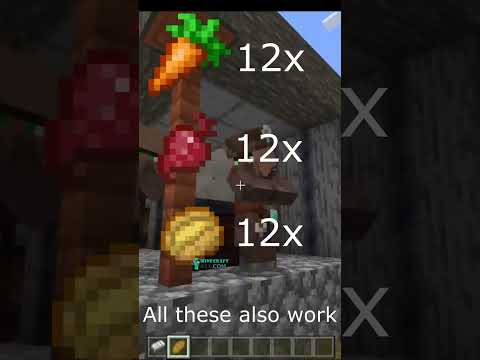
- Insufficient Food: Ensure the villagers have access to enough food. Wheat, carrots, potatoes, bread, beetroots, and sweet berries are all effective options. Throwing food at them is a quick way to replenish their stocks.
- Mob Griefing Disabled: If mob griefing is disabled, villagers cannot pick up food. Therefore, you need to make sure the villagers can pick up the food you throw at them.
- Village Boundary Issues: Sometimes, the game may not properly recognize the village. Try adding more beds and workstations closer together to reinforce the village definition.
- Too Much Crowding: While villagers need to be close enough to interact, excessive crowding can sometimes hinder breeding. Give them a bit more space to move around.
- Time of Day: Villagers typically breed during the day. Ensure the environment is adequately lit to prevent hostile mobs from spawning and interrupting the breeding process.
Frequently Asked Questions (FAQs) about Villager Breeding
Here are 15 commonly asked questions to further clarify the mechanics of villager breeding:
-
What types of food do villagers need to breed? Villagers can breed with wheat, carrots, potatoes, bread, beetroots, or sweet berries. Each food item contributes a certain amount of “willingness” points.
-
How many beds are needed for villager breeding? You need one unclaimed bed for each baby villager you want to create. If you have five villagers and only five beds, they will not breed. Adding an extra bed will allow them to start reproducing.
-
Do villagers need light to breed? While villagers don’t technically need direct light to breed, a well-lit area is essential to prevent hostile mobs from spawning, which can disrupt the breeding process.
-
Can villagers breed in a single-block space? No, villagers need adequate space to move around and interact with each other. Confining them to a single block will prevent breeding.
-
Do villagers need privacy to breed? No, privacy is not a factor in villager breeding. They will breed even if they are in plain sight.
-
How long does it take for a villager to breed? Once the villagers are willing and have access to beds, they will typically breed relatively quickly, within a few in-game days.
-
Can zombie villagers breed? No, only normal villagers can breed. You need to cure zombie villagers to add to your breeding pool.
-
Do different villager professions affect breeding? No, the profession of the villager doesn’t directly affect breeding, but as mentioned earlier, it contributes to the overall village economy and food production.
-
Can baby villagers breed? No, baby villagers cannot breed until they grow into adults.
-
How do I know if a villager is willing to breed? A willing villager will display hearts above their head.
-
Can I breed villagers in the Nether or End dimensions? No, villagers cannot naturally breed in the Nether or End.
-
What happens to the baby villager’s profession? The baby villager will initially be unemployed. It will claim an unclaimed workstation within the village, and it will adopt the respective profession.
-
What happens if I destroy a villager’s workstation? The villager will eventually become unemployed if it cannot reach its workstation. This will affect the village dynamics and trading options.
-
Can I force villagers to breed? While you can’t directly force them, you can manipulate the conditions to make them more likely to breed, such as providing ample food and beds.
-
Where can I learn more about Minecraft mechanics, including villager breeding? Resources like the Minecraft Wiki, various online tutorials, and communities like the Games Learning Society at https://www.gameslearningsociety.org/ are excellent sources for deepening your understanding of Minecraft and its complex systems. The Games Learning Society fosters learning and creativity through game-based education.
Conclusion: Mastering the Art of Villager Reproduction
Villager breeding in Minecraft is a complex but rewarding process. By understanding the key factors – willingness (food), sufficient beds, and village recognition – you can create thriving communities and unlock new trading opportunities. Remember to troubleshoot common problems, experiment with different strategies, and continuously refine your village layout to optimize breeding rates. Happy breeding!