Cashing In: Your Expert Guide to Selling CS Skins
Fast answer first. Then use the tabs or video for more detail.
- Watch the video explanation below for a faster overview.
- Game mechanics may change with updates or patches.
- Use this block to get the short answer without scrolling the whole page.
- Read the FAQ section if the article has one.
- Use the table of contents to jump straight to the detailed section you need.
- Watch the video first, then skim the article for specifics.
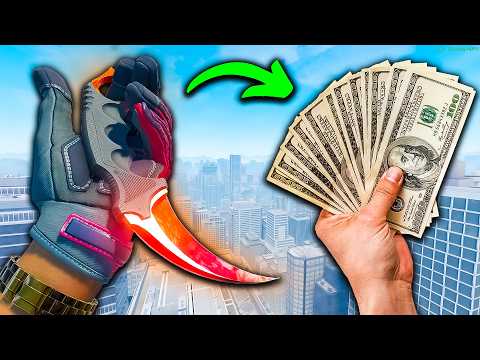
So, you’re sitting on a treasure trove of CS skins, itching to turn those virtual pixels into cold, hard cash (or maybe just more games!). The good news is, you’ve got options. The better news is, I’m here to guide you through them, cutting through the jargon and offering insights from years of watching the skin market evolve.
Where can you sell CS skins? Directly, you have several reliable avenues: Steam Community Market, third-party marketplaces, and direct trades with other players. Indirectly, you can use services that offer cash for skins, essentially acting as buyers themselves. The “best” option hinges on your priorities – speed, security, fees, and the desired price all play a role. Let’s delve deeper into each.
Diving Deep into Skin Selling Options
1. The Steam Community Market: Familiar Territory
The Steam Community Market is the most obvious and often the first place players consider. It’s integrated directly into your Steam account, making it incredibly convenient.
Pros:
- Ease of Use: Listing and selling are straightforward. You likely already have funds in your Steam wallet, making relisting and rebuying simple.
- Security: Directly integrated with Steam’s security measures, reducing the risk of scams.
- Familiarity: Most CS:GO players are already familiar with the interface.
Cons:
- Steam Wallet Only: Funds are credited to your Steam Wallet, limiting you to purchasing games, DLC, and other items within the Steam ecosystem. You cannot withdraw the money as real-world currency.
- Transaction Fees: Steam charges a 15% fee (10% to Valve and 5% to the game developer), impacting your net profit.
- Price Volatility: Prices can fluctuate rapidly based on supply and demand.
- Seller Limitations: New accounts may face trade hold restrictions.
Best For: Players who primarily want to reinvest their skin earnings back into Steam purchases and prioritize ease of use over maximizing profit.
2. Third-Party Marketplaces: A Wider World
Numerous third-party marketplaces specialize in CS skins, offering a broader range of options and potentially higher selling prices. These can range from well-established sites to smaller, niche platforms. Some examples are sites like Skinport, Skinbaron, DMarket, and CS.Deals.
Pros:
- Real-World Cash: You can withdraw your earnings as real-world currency (e.g., PayPal, bank transfer, cryptocurrency).
- Potentially Higher Prices: Depending on the item and the marketplace’s user base, you might achieve better prices compared to the Steam Community Market.
- Lower Fees (Sometimes): Some marketplaces offer lower fees than Steam, but compare carefully.
- Advanced Features: Many marketplaces offer tools like price charts, advanced filtering, and bulk selling options.
- Instant sales: Some marketplaces allow for instant sales to bots for a guaranteed amount.
Cons:
- Increased Risk: Security is a major concern. Research the marketplace thoroughly before entrusting it with your skins and payment information. Look for reviews, security certifications (SSL), and transparent ownership information.
- Transaction Fees: Marketplaces still charge fees, which can vary considerably.
- Payment Processing Delays: Withdrawals may take time to process.
- Scam Potential: Be wary of fake listings, phishing attempts, and other scams.
- Verification required: Some marketplaces may require significant verification steps.
Best For: Players looking to convert their skins into real-world cash and are willing to do their research to find a reputable marketplace.
3. Direct Trading: The Personal Touch (Proceed with Caution!)
Direct trading involves negotiating a sale directly with another player, often through forums, social media groups, or trading communities.
Pros:
- Potential for Better Deals: You might be able to negotiate a higher price than you would get on a marketplace.
- Personal Connection: Some players enjoy the interaction and community aspect of direct trading.
Cons:
- High Risk of Scams: This method is highly susceptible to scams. Be extremely cautious and only trade with trusted individuals.
- Time-Consuming: Finding a buyer and negotiating a price can take time and effort.
- Lack of Security: No built-in security measures to protect you from fraud.
- Limited Reach: Finding a buyer can be challenging.
Best For: Experienced traders who have established relationships with other players and are comfortable assessing the risks. This is generally not recommended for beginners.
4. Cash-for-Skins Services: Speed and Convenience
Several services offer to buy your skins directly for cash. They essentially act as intermediaries, offering a quick and easy way to offload your inventory.
Pros:
- Speed: Transactions are usually processed quickly.
- Convenience: You don’t have to list your skins and wait for a buyer.
- Guaranteed Sale: You’re guaranteed to receive payment (assuming the service is reputable).
Cons:
- Lower Prices: These services typically offer lower prices than you could achieve on a marketplace or through direct trading.
- Risk of Lowball Offers: You may feel pressured to accept a low offer.
- Security Concerns: Research the service carefully to ensure its legitimacy.
- Hidden Fees: Be aware of potential hidden fees or charges.
Best For: Players who prioritize speed and convenience over maximizing profit and are willing to accept a lower price for their skins.
Essential Tips for Safe and Successful Skin Selling
No matter which method you choose, follow these crucial tips to protect yourself:
- Research, Research, Research: Thoroughly investigate any marketplace or service before using it. Read reviews, check for security certifications, and be wary of red flags.
- Use Strong Passwords and Two-Factor Authentication: Protect your Steam account and email address with strong, unique passwords and enable two-factor authentication.
- Never Click Suspicious Links: Be cautious of phishing links that attempt to steal your Steam credentials.
- Use a Trusted Escrow Service (If Available): Some marketplaces offer escrow services to protect both buyers and sellers.
- Record Your Trades: Keep detailed records of all your transactions, including screenshots and chat logs.
- Be Wary of “Too Good to Be True” Offers: If an offer seems too good to be true, it probably is.
- Trust Your Gut: If something feels off, don’t proceed.
FAQs: Your Burning Skin-Selling Questions Answered
1. What is skin gambling, and should I engage in it?
Skin gambling involves using CS skins as virtual currency to bet on esports matches or play casino-style games. It is a risky and often unregulated activity with the potential for significant financial loss. Furthermore, its legality is questionable in many jurisdictions. We strongly advise against participating in skin gambling.
2. How do I determine the value of my CS skins?
Several factors influence skin value, including rarity, condition (wear), pattern, float value, and demand. Use price tracking websites, inspect similar listings on marketplaces, and consult with experienced traders to get an accurate estimate.
3. What is “float value,” and why does it matter?
Float value is a numerical representation of a skin’s wear, ranging from 0 (Factory New) to 1 (Battle-Scarred). Lower float values generally indicate better condition and higher prices.
4. What is the difference between “Factory New” and “Battle-Scarred” skins?
“Factory New” skins have minimal wear and the highest visual quality, while “Battle-Scarred” skins have significant wear and the lowest visual quality. Other conditions include “Minimal Wear,” “Field-Tested,” and “Well-Worn.”
5. What are “Stattrak” skins?
“Stattrak” skins track the number of kills you’ve made with the weapon. They are typically more valuable than their non-Stattrak counterparts.
6. What are “Souvenir” skins?
“Souvenir” skins are special versions of skins that are dropped during Major CS:GO tournaments. They often feature stickers from the event and are typically more valuable than regular skins.
7. How do I avoid getting scammed when selling skins?
Be cautious of suspicious links, never share your Steam credentials, use a trusted escrow service (if available), and research potential buyers or marketplaces thoroughly. If someone is offering far more for your skins than their worth, they are most likely trying to scam you.
8. What are the tax implications of selling CS skins?
Depending on your location and the amount of income you generate from skin sales, you may be required to pay taxes. Consult with a tax professional for guidance.
9. Is it legal to sell CS skins?
Selling CS skins is generally legal, but it is essential to comply with the terms of service of Steam and any marketplace you use.
10. How long does it take to sell a CS skin?
The time it takes to sell a CS skin varies depending on the item’s rarity, demand, and the price you are asking. Some skins may sell within minutes, while others may take days or even weeks.
11. What is the best time to sell CS skins?
The best time to sell CS skins is often during periods of high demand, such as during major CS:GO tournaments or when new updates are released.
12. Can I get banned from Steam for selling skins?
You will not be banned for selling skins on the Steam Community Market, as that is an approved way to use the marketplace. Using third-party sites carries some risk, but is generally allowed as long as you aren’t violating any terms of service agreements.
13. How can I protect my Steam account from being hacked?
Use a strong, unique password, enable two-factor authentication, and be cautious of phishing links. Never share your Steam credentials with anyone.
14. What should I do if I get scammed while selling skins?
Report the scam to Steam and the marketplace you were using. Provide as much information as possible, including screenshots and chat logs.
15. How can I learn more about the CS:GO skin market?
Stay informed about the CS:GO skin market, including its trends and dynamics! You can also learn more about game communities through research from organizations like the Games Learning Society and learn how video games relate to different aspects of the world. Check them out at GamesLearningSociety.org.