Decoding the ESRB: Are All Games Rated?
Fast answer first. Then use the tabs or video for more detail.
- Watch the video explanation below for a faster overview.
- Game mechanics may change with updates or patches.
- Use this block to get the short answer without scrolling the whole page.
- Read the FAQ section if the article has one.
- Use the table of contents to jump straight to the detailed section you need.
- Watch the video first, then skim the article for specifics.
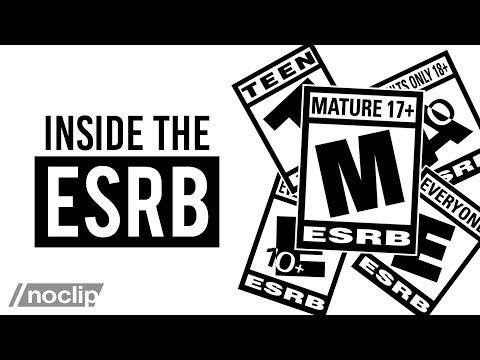
The short answer? No, not all games are rated by the Entertainment Software Rating Board (ESRB). While the ESRB is the most prominent and widely recognized rating system in North America, particularly in the United States, participation is largely voluntary for game developers and publishers. However, the practical reality is far more nuanced, with a significant pressure to obtain an ESRB rating due to industry practices and retailer policies.
The ESRB, established in 1994 in response to concerns about violent content in games like Mortal Kombat, provides ratings intended to inform consumers, especially parents, about the content and age appropriateness of video games and apps. These ratings are displayed on game packaging, digital storefronts, and in promotional materials, helping consumers make informed purchasing decisions. The ratings consist of rating symbols (like E for Everyone, T for Teen, M for Mature) and content descriptors that indicate specific elements within the game (e.g., Violence, Blood and Gore, Strong Language).
So, while the ESRB rating system itself isn’t legally mandated across the board, its influence is undeniable. Large console manufacturers like Sony (PlayStation), Microsoft (Xbox), and Nintendo (Switch) require ESRB ratings for games released on their platforms. Similarly, major retailers such as GameStop and Walmart, as well as digital storefronts like the PlayStation Store, Xbox Store, Nintendo eShop, Google Play Store, and Apple App Store, generally require or strongly encourage ESRB ratings for games sold through their channels. This pressure effectively makes ESRB ratings essential for commercial success, especially for games targeting a broad audience. Indie developers and smaller studios, however, may opt out, especially if their game is niche or distributed through independent channels.
The International Age Rating Coalition (IARC) plays a key role in rating digital games, including those on mobile platforms. The IARC utilizes a questionnaire filled out by developers which then assigns the game’s rating category, content descriptors and interactive elements. The IARC system often relies on ESRB standards, or equivalent ratings for other regions (such as PEGI in Europe).
Ultimately, the absence of an ESRB rating doesn’t necessarily mean a game is unsuitable for children, nor does it guarantee that a rated game is perfectly aligned with every parent’s values. It simply means the developer has not submitted the game for ESRB review. Savvy parents will continue to monitor and research the games their children play, considering their child’s maturity level and the game’s content. It is worth noting that there are many resources available to educate parents about game content. For instance, the Games Learning Society offers valuable insights into the intersection of gaming and education. You can explore their resources at GamesLearningSociety.org.
Navigating the ESRB Landscape: Frequently Asked Questions
Here are some frequently asked questions to further clarify the role and impact of the ESRB:
Are ESRB ratings legally enforceable?
No, ESRB ratings are not legally enforceable in most jurisdictions. However, some U.S. states and municipalities have attempted to pass laws restricting the sale of M-rated games to minors, although many such laws have been challenged on First Amendment grounds. While you can’t be arrested for allowing a minor to play an M-rated game, retailers often enforce ESRB guidelines as a matter of company policy.
What happens if a game doesn’t have an ESRB rating?
If a game doesn’t have an ESRB rating, it may face challenges in distribution and retail. Many major retailers and platform holders require ESRB ratings as a condition of sale or listing. Indie developers may opt-out, but may have reduced market access.
How does the ESRB decide on a game’s rating?
The ESRB assigns ratings based on a combination of factors, including the depiction of violence, sexual content, language, and other potentially sensitive themes. They use trained raters who play the game or review video footage and documentation to determine the appropriate rating and content descriptors. For digital games, they use the IARC system.
What do the different ESRB ratings mean?
The ESRB ratings are as follows:
- E (Everyone): Suitable for ages 6 and up. May contain minimal cartoon, fantasy, or mild violence and/or infrequent use of mild language.
- E10+ (Everyone 10+): Suitable for ages 10 and up. May contain more cartoon, fantasy, or mild violence, mild language, and/or minimal suggestive themes.
- T (Teen): Suitable for ages 13 and up. May contain violence, suggestive themes, crude humor, minimal blood, simulated gambling, and/or infrequent use of strong language.
- M (Mature): Suitable for ages 17 and up. May contain intense violence, blood and gore, sexual content, and/or strong language.
- AO (Adults Only): Suitable only for ages 18 and up. May contain prolonged scenes of intense violence, graphic sexual content, and/or gambling with real currency. (This rating is rare.)
- RP (Rating Pending): Used for games that have been submitted to the ESRB and are awaiting a final rating.
What are ESRB content descriptors?
Content descriptors provide more specific information about the elements that influenced the game’s rating. Examples include:
- Violence
- Blood and Gore
- Sexual Themes
- Strong Language
- Use of Alcohol and Tobacco
- Simulated Gambling
- Crude Humor
Can a 14-year-old play M-rated games?
The ESRB recommends that M-rated games are suitable for individuals aged 17 and older. However, it is up to parents to decide what is appropriate for their children based on their maturity level and family values. Retailers may enforce age restrictions on sales, but parental guidance is key.
Is it illegal for a minor to purchase M-rated games?
In most jurisdictions, it is not illegal for a minor to purchase M-rated games. However, retailers may have policies preventing the sale of M-rated games to minors. Only AO (Adults Only) rated games have legal or pseudo-legal restrictions.
Are ESRB ratings the same in all countries?
No, ESRB ratings are primarily used in North America (United States, Canada, and Mexico). Other regions have their own rating systems, such as PEGI (Pan European Game Information) in Europe, CERO (Computer Entertainment Rating Organization) in Japan, and ACB (Australian Classification Board) in Australia.
How has the ESRB changed over the years?
The ESRB has evolved over time to address changing content in video games and consumer concerns. They have added new content descriptors and refined their rating criteria to better reflect the nuances of game content. They have also embraced digital distribution through the IARC.
Why do some parents ignore ESRB ratings?
Some parents may ignore ESRB ratings due to a variety of reasons, including a lack of awareness about the rating system, a belief that the ratings are too strict or lenient, or a desire to allow their children to play games that their friends are playing. Parents may feel pressured to relax rules or may be unaware of what games feature.
What role did Mortal Kombat play in the creation of the ESRB?
The graphic violence in Mortal Kombat and other early 1990s video games sparked public outcry and led to Congressional hearings on video game violence. These hearings ultimately led to the establishment of the ESRB as a self-regulatory body for the video game industry.
Is the ESRB considering using facial recognition technology?
The ESRB has stated that it is not currently considering using facial recognition technology as an age-gate mechanism for children.
What is the difference between ESRB and MPAA ratings?
ESRB ratings apply to video games and apps, while MPAA (Motion Picture Association of America) ratings apply to movies. The two systems use different criteria and rating symbols, but both aim to provide consumers with information about the content and age appropriateness of media.
How can I report a game that I believe is misrated by the ESRB?
Consumers can submit feedback and concerns about ESRB ratings through the ESRB’s website. The ESRB reviews these submissions and may reassess a game’s rating if necessary.
Is the ESRB a government agency?
No, the ESRB is an independent, non-profit organization funded by the video game industry. It is not a government agency, but it works closely with industry stakeholders and consumer groups to ensure the integrity and effectiveness of its rating system.
While not legally mandated across the board, the ESRB rating system is a vital tool for navigating the complex world of video game content and ensuring that consumers, especially parents, can make informed choices. Always remember to consider the ESRB rating as one piece of information in your decision-making process, and leverage other resources, such as the Games Learning Society, to understand the broader impact of gaming.