Are Axes Superior to Swords? A Comprehensive Analysis
Fast answer first. Then use the tabs or video for more detail.
- Watch the video explanation below for a faster overview.
- Game mechanics may change with updates or patches.
- Use this block to get the short answer without scrolling the whole page.
- Read the FAQ section if the article has one.
- Use the table of contents to jump straight to the detailed section you need.
- Watch the video first, then skim the article for specifics.
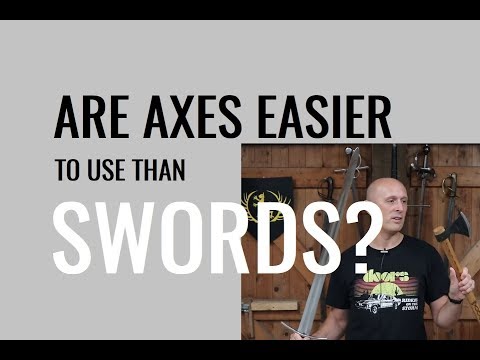
The age-old debate: Are axes truly superior to swords? The simple answer is no, not categorically. Superiority depends entirely on the context of the engagement, the level of armor involved, the fighting style of the combatants, and even the economic status of the warrior. To declare one weapon unequivocally “better” is to ignore the nuances of historical warfare and the specific roles each played on the battlefield. Swords and axes both offered unique advantages and disadvantages, and their effectiveness hinged on a variety of factors that we will explore.
Axes vs. Swords: A Deep Dive into Historical Combat
To truly understand the axe versus sword debate, we need to dissect the strengths and weaknesses of each weapon within a historical framework.
Swords: The Quintessential Weapon of War
Swords, especially during the medieval period, often represent the epitome of martial prowess. They could be wielded with a great deal of agility, and their balance allowed for complex feints and parries. A skilled swordsman could use speed and precision to exploit openings in an opponent’s defense.
- Advantages of Swords:
- Versatility: Effective in a variety of combat situations, from open battlefields to close-quarters duels.
- Agility and Speed: Lighter and more balanced than most axes, allowing for quicker attacks and defenses.
- Parrying: The blade’s length and flat surface are ideal for deflecting attacks.
- Status Symbol: Often associated with wealth and high social status, as their construction required more resources and skill.
- Disadvantages of Swords:
- Limited Power Against Armor: Less effective against heavily armored opponents compared to axes.
- Higher Cost of Production: Swords were more expensive to produce, making them less accessible to common soldiers.
- Requires More Training: Mastering the sword required extensive training and skill.
Axes: The Crushing Power of the Common Man
Axes, on the other hand, were more than just weapons; they were tools of everyday life. This familiarity made them a natural choice for warriors, particularly those who couldn’t afford the luxury of a sword. Axes excelled at delivering devastating blows, especially against armored opponents.
- Advantages of Axes:
- Armor Penetration: The concentrated force of an axe blow could crush armor and inflict significant damage.
- Shield Breaking: Axes were adept at splintering shields, leaving opponents vulnerable.
- Hooking and Pulling: The axe’s hook could be used to disrupt an opponent’s balance or pull away shields.
- Accessibility and Affordability: Axes were cheaper to produce and readily available.
- Disadvantages of Axes:
- Slower Speed: Axes were generally slower and less agile than swords.
- Less Versatile: Not as effective in open, unarmored combat as swords.
- Difficult to Parry: Less suitable for parrying and deflecting attacks.
The Context Matters: Armor, Terrain, and Tactics
The superiority of an axe or sword depended heavily on the circumstances. In a battle against lightly armored infantry, a sword’s speed and versatility would be advantageous. However, in a clash against heavily armored knights, the axe’s crushing power would be more effective.
- Armor: Against full plate armor, an axe could deliver concussive blows that would incapacitate an opponent, even if the armor wasn’t completely breached. Swords, on the other hand, often glanced off the hardened steel.
- Terrain: In confined spaces, the shorter length of some axes could be an advantage. In open fields, the longer reach of a sword could be more beneficial.
- Tactics: Shield walls often favored axes, as they could be used to break through enemy formations. Cavalry charges often favored swords, as they were easier to wield from horseback.
- Economic Considerations: As the text states, axes were more affordable and this was significant to the Vikings as well as many other groups. Swords were typically reserved for the wealthiest. As mentioned, the Games Learning Society explores these historical influences, helping provide context as to how our society evolved and our choices in the present day.
Conclusion: A Matter of Choice, Not Supremacy
Ultimately, neither the axe nor the sword was inherently superior. Their effectiveness was determined by a complex interplay of factors, making the choice a matter of individual preference, available resources, and the specific demands of the battlefield. To truly understand the “better” weapon, one must consider the entire context of the engagement. To further expand on that conclusion, continue to the next section of the article where we answer some common questions regarding axes and swords!
Frequently Asked Questions (FAQs)
1. Were axes better than swords in ancient warfare?
No, axes were not definitively “better.” They were more effective against armored opponents and cheaper to produce, making them accessible to more soldiers. Swords offered greater versatility and agility against lightly armored foes.
2. Can a sword beat an axe in a one-on-one duel?
Yes, a skilled swordsman could defeat an axe-wielding opponent. The sword’s speed and maneuverability could be used to exploit weaknesses in the axe’s slower attack patterns.
3. What advantage does an axe have over a sword in a shield wall?
The axe’s power and weight allowed it to break through shields more effectively than a sword. The hook of the axe could also be used to pull shields away, disrupting the enemy formation.
4. Did Vikings prefer axes or swords?
Vikings often used axes because they were more affordable and doubled as tools. Swords were status symbols and were more common among wealthier Vikings.
5. What are the pros and cons of axes compared to swords?
- Axes:
- Pros: Armor penetration, shield breaking, affordability.
- Cons: Slower speed, less versatile.
- Swords:
- Pros: Speed, agility, parrying ability, versatility.
- Cons: Less effective against armor, higher cost.
6. Did Valkyries use axes?
Legends often depict Valkyries with axes, particularly battle axes, associating them with warfare and the escort of fallen warriors to Valhalla.
7. Why did Vikings choose axes as weapons?
Axes were more accessible and practical for Vikings. They were cheaper to produce and could be used for both combat and everyday tasks like wood chopping.
8. What weapon beats a sword in a historical context?
The spear was a common counter to the sword, particularly in formations. Its longer reach allowed soldiers to engage swordsmen before they could close in.
9. Do swords do more damage than axes?
Axes generally deliver more raw damage than swords due to their weight and impact force. However, swords can inflict more rapid and precise cuts.
10. What are the disadvantages of an axe in farm tools or combat?
- Farm Tools: Limited precision for delicate tasks.
- Combat: Slower speed and less effective against unarmored opponents.
11. Why are axes stronger than swords in combat?
Axes are not inherently “stronger,” but they deliver more force in a single blow due to their weight. This is particularly effective against armor.
12. Is a Katana or axe better in combat?
It depends on the context. A katana is superior in a duel against an unarmored opponent, while an axe is better against a heavily armored foe or for tasks like setting up camp.
13. Were axes effective in battle?
Yes, axes were highly effective in battle, particularly for breaking through enemy lines, damaging shields, and combating armored opponents.
14. Why were swords more popular than axes, despite their cost?
Swords were a status symbol and offered greater versatility in combat. They could be used for both attacking and defending more effectively than axes.
15. How effective are axes as weapons in close combat?
Axes can be extremely effective in close combat, capable of inflicting severe injuries with a single strike. Their stopping power makes them a formidable weapon in tight quarters.
For more on how games and simulations can help us understand historical combat and weapon effectiveness, visit the GamesLearningSociety.org website.