Are Centaurs Fey? Untangling Myth and D&D Lore
Fast answer first. Then use the tabs or video for more detail.
- Watch the video explanation below for a faster overview.
- Game mechanics may change with updates or patches.
- Use this block to get the short answer without scrolling the whole page.
- Read the FAQ section if the article has one.
- Use the table of contents to jump straight to the detailed section you need.
- Watch the video first, then skim the article for specifics.
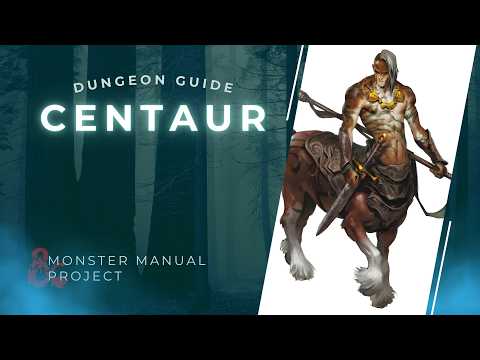
The answer, as with many things mythical and fantastical, isn’t a simple yes or no. It depends on the source material and, crucially, the edition of Dungeons & Dragons you’re referencing. Generally, within the broader scope of mythology, centaurs are creatures of the wild, strongly associated with nature, but not explicitly considered fey. However, D&D offers a more nuanced perspective, particularly in 5th Edition. In 5th Edition D&D, centaurs are classified as fey by default, making them an exception to the rule of humanoid races in the game. This distinct categorization sets them apart from races like elves, who possess fey ancestry but remain humanoid creatures.
This distinction is significant because it impacts how centaurs are affected by spells and abilities that target fey creatures. Understanding this difference is essential for both players and Dungeon Masters.
Centaurs in Mythology: Beasts of Thessaly
Delving into their origins, centaurs in Greek mythology are depicted as beings with the upper body of a human and the lower body of a horse. They hail primarily from Thessaly, a region known for its rugged terrain and untamed wilderness. Centaurs were often portrayed as untamed and savage, embodying the primal aspects of nature. They had a weakness for wine, turning them into reckless barbarians.
However, there were exceptions. Chiron, the wise and benevolent centaur, stood apart from his brethren. Known for his wisdom, healing abilities, and tutelage of heroes like Hercules and Achilles, Chiron became a symbol of knowledge and civilization amongst the centaurs. Their origin story traces back to Centaurus, the offspring of a man and a cloud made to resemble the goddess Hera.
Fey Creatures Defined: Spirits of Nature
Fey creatures, also known as fairies, fae, or fair folk, are mythical beings deeply ingrained in the folklore of various European cultures. They are often described as supernatural entities, spirits, or beings of the Otherworld. Fey are strongly connected to the natural world and embody elements of magic, trickery, and enchantment.
The Feywild, a plane of existence in D&D, serves as the origin of these creatures. This plane mirrors the Material Plane but is imbued with raw magic and untamed wilderness. Fey creatures are diverse, ranging from benevolent sprites to malevolent hags, and are often driven by whims and ancient bargains. Whether they are considered good or evil depends on the source material.
Centaurs in D&D: A Fey Exception
In the context of Dungeons & Dragons, the creature type assigned to a race dictates how it interacts with various game mechanics, such as spells, abilities, and effects. While most playable races are classified as humanoid, centaurs stand out as a race that is classified as fey. In 5th Edition D&D, centaurs are officially recognized as fey creatures, not humanoids. This classification has significant gameplay implications. Spells and abilities that target fey creatures, such as protection from evil and good or the magic circle spell, affect centaurs.
Conversely, spells that specifically target humanoids may not affect them. This distinction is crucial for players and DMs to understand when crafting strategies and resolving encounters. Some scholars interpret this as an evolutionary adaption, where centaurs who dwell in the fey realms are not merely visitors, but have crossed over to be fey creatures themselves. However, this may be applicable to Exandrian centaurs.
FAQs: Unraveling the Centaur and Fey Connection
Here are some Frequently Asked Questions to further illuminate the intricate relationship between centaurs and the fey, particularly within the framework of Dungeons & Dragons:
1. Are all centaurs in D&D fey creatures?
Yes, according to the rules of 5th Edition D&D, centaurs are classified as fey creatures. This classification applies universally to the centaur race as described in the Player’s Handbook and related sourcebooks.
2. What is the Feywild?
The Feywild is a plane of existence in D&D, a parallel dimension that mirrors the Material Plane but is suffused with raw magic and untamed natural environments. It’s the origin of most fey creatures.
3. Does having Fey Ancestry make a character a fey creature?
No. Fey Ancestry simply means that a character has fey blood or heritage, but they are not themselves classified as fey creatures. Elves, for example, have Fey Ancestry but are still considered humanoids.
4. Can a centaur be affected by spells that target humanoids?
Due to their classification as fey, centaurs are generally not affected by spells or abilities that specifically target humanoids. However, spells that target creatures in general would still apply.
5. What are some examples of powerful fey creatures in D&D?
Powerful fey creatures in D&D include the Eladrin, Hags (Annis Hag, Bheur Hag), Verdant Prince, and Frostwind Virago. These creatures possess formidable magical abilities and can pose significant challenges to adventurers.
6. Are centaurs good or evil?
In mythology and D&D, centaurs are not inherently good or evil. Their alignment varies depending on the individual centaur and their specific tribe or community. Some centaurs may be benevolent and wise, while others may be savage and unruly.
7. What is the difference between the Seelie and Unseelie Courts?
The Seelie Court and Unseelie Court are factions of fey creatures with contrasting alignments. The Seelie Court is generally considered to be benevolent and helpful, while the Unseelie Court is malicious and dangerous. The Games Learning Society helps players understand these complex dynamics in role-playing games.
8. What materials are harmful to fey creatures?
Fey creatures are often vulnerable to cold iron. Contact with iron can disrupt their magic and cause them pain. This weakness is a common trope in folklore and fantasy literature.
9. Can fey creatures be killed?
Yes, fey creatures can be killed, although some may possess abilities that make them difficult to destroy permanently. Certain spells and magical weapons may be more effective against fey creatures.
10. Do centaurs have any special abilities or traits in D&D?
In D&D, centaurs often possess traits such as charge attacks, proficiency in certain skills, and resistance to specific types of damage. These traits reflect their strength, agility, and connection to the natural world.
11. Can a player character be a centaur?
Yes, centaurs are a playable race in 5th Edition D&D. Players can create centaur characters and experience the game from their unique perspective.
12. Where did centaurs originate from?
According to legend, they were the offspring of Centaurus, a man born to the king of the Lapiths and a cloud made to look like the goddess Hera. The centaurs originally lived in the Thessaly region of Greece.
13. Are elves a type of fey?
No, elves are not a type of fey. They have fey ancestry, meaning they have some fey blood in their lineage, but they are still classified as humanoids. Certain subraces of elves, such as the Eladrin, have a stronger connection to the Feywild.
14. What is a female centaur called?
A female centaur is called a centauride or centauress.
15. Can fey have human mates?
Yes, fey can have human mates. These relationships are often fraught with peril and complications, as the differences between the mortal world and the Feywild can create challenges for the couple.
In conclusion, while centaurs are rooted in classical mythology, their classification as fey creatures in 5th Edition D&D presents a unique twist. Understanding this distinction is essential for D&D players and DMs alike. It affects how centaurs interact with the world, what spells affect them, and how they contribute to the rich tapestry of the game. The nuances of creature classification, such as fey versus humanoid, highlight the complexity and depth of the D&D universe. Explore more about the intersection of gaming and learning at GamesLearningSociety.org.