Are Diamonds Harder Than Steel? A Deep Dive into Material Hardness
Fast answer first. Then use the tabs or video for more detail.
- Watch the video explanation below for a faster overview.
- Game mechanics may change with updates or patches.
- Use this block to get the short answer without scrolling the whole page.
- Read the FAQ section if the article has one.
- Use the table of contents to jump straight to the detailed section you need.
- Watch the video first, then skim the article for specifics.
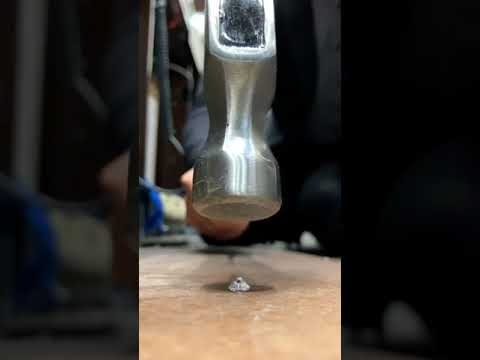
Yes, diamonds are significantly harder than steel. This isn’t just a casual observation; it’s a fundamental property rooted in the atomic structure and bonding of each material. Diamond boasts an exceptional hardness, making it the hardest naturally occurring material known to humankind. Steel, while strong and versatile, simply cannot compete. Let’s delve into why this is the case and explore the fascinating world of material hardness.
Understanding Hardness: More Than Just Strength
It’s crucial to differentiate between hardness, strength, and toughness. These terms are often used interchangeably, but they represent distinct material properties.
-
Hardness: Resistance to localized plastic deformation, usually by indentation or scratching. This is what we’re focusing on when comparing diamonds and steel.
-
Strength: The ability of a material to withstand stress without breaking or deforming permanently. Think of tensile strength (resistance to being pulled apart) or compressive strength (resistance to being crushed).
-
Toughness: The ability of a material to absorb energy and deform plastically before fracturing. A tough material can withstand impacts and resist cracking.
Diamonds excel in hardness but are relatively brittle, meaning they lack toughness. Steel is strong and has good toughness but falls short in hardness compared to diamonds.
The Science Behind Diamond’s Hardness
Diamond’s exceptional hardness stems from its unique crystal structure. Each carbon atom in a diamond is covalently bonded to four other carbon atoms in a tetrahedral arrangement. This creates a strong, three-dimensional network where each bond requires significant energy to break. This robust network makes diamond extremely resistant to scratching and indentation.
The Vickers hardness test is commonly used to quantify material hardness. Diamonds typically have a Vickers hardness value ranging from 70 to 100 GPa (Gigapascals). In contrast, mild steel has a Vickers hardness of only around 9 GPa. This difference clearly demonstrates the superior hardness of diamonds.
Why Steel Can Sometimes Break Diamonds
While diamonds are harder than steel, that doesn’t mean steel can’t break a diamond. This apparent contradiction arises from the concept of brittleness. Diamonds, despite their hardness, are brittle materials. This means they can fracture or chip under sufficient impact force, especially along cleavage planes (planes of weakness in the crystal structure).
A direct hit with a steel hammer, particularly on a diamond’s weak point, can indeed cause it to break or chip. The force of the impact can exceed the diamond’s ability to resist fracture, even though the steel itself cannot scratch the diamond.
Other Materials and Their Hardness
It’s also worth noting that while diamonds are the hardest naturally occurring substance, some man-made materials can surpass them in certain aspects of strength or toughness. For example, materials like graphene possess exceptional tensile strength. Also, tungsten is also very strong.
Frequently Asked Questions (FAQs)
Here are some frequently asked questions that address common queries about diamonds, steel, and material hardness:
1. What is harder than diamond?
Technically, nothing naturally occurring is harder than diamond. However, certain lab-created materials, such as aggregated diamond nanorods (ultrahard diamond) and some forms of boron nitride, can exhibit higher hardness values under specific conditions.
2. Can a steel nail scratch a diamond?
No. Due to the hardness of diamonds, a steel nail cannot scratch a diamond. Only another diamond or a material with comparable hardness can scratch a diamond’s surface.
3. Is granite harder than steel?
Yes, granite is harder than steel. This explains why steel knives can’t scratch granite countertops easily. Granite’s hardness contributes to its durability and resistance to wear and tear.
4. Are diamonds stronger than titanium?
Yes, diamonds are stronger than titanium in terms of hardness. Diamonds have significantly higher hardness values (around 60GPa) compared to titanium (as low as .434Gpa). Also Diamonds can easily outrank titanium in the scale of hardness, it ranges about 98.07 Rockwell C whereas, titanium ranges around 36 Rockwell C.
5. What is the weakest metal?
Mercury is considered the weakest metal due to its liquid state at room temperature and its very low melting point.
6. Can you accidentally break a diamond?
Yes, you can accidentally break a diamond. While diamonds are incredibly hard, they are also brittle. A sharp blow to a vulnerable point or pre-existing internal flaws can cause chipping or breakage.
7. What can crack a diamond?
Impact is the most common cause of diamond cracking. Even seemingly minor bumps can damage a diamond, especially if the impact occurs along a cleavage plane or in an area of internal stress.
8. What is the strongest thing on earth?
While it depends on what property you’re measuring, graphene is often cited as the strongest material in terms of tensile strength. Diamond remains the hardest naturally occurring material.
9. What element is indestructible?
No element is truly indestructible. However, tungsten is known as the strongest pure metal element in the real world.
10. What is the weakest material on earth?
Talc is often considered one of the softest or weakest materials on Earth, easily scratched or powdered.
11. Can fire destroy a diamond?
Yes, fire can destroy a diamond. Diamonds will burn at about 1562°F (850°C). House fires and jewelers’ torches can reach that temperature.
12. Is salt water bad for diamonds?
Salt water can be bad for diamonds. It can leave a film or deposit that dulls the diamond’s brilliance. Regular cleaning is recommended to maintain the diamond’s sparkle.
13. Can you keep a diamond if you find it?
Laws vary by location. In most places, you cannot legally keep a found diamond unless you make a reasonable effort to locate the owner. Some places like Crater of Diamonds State Park, are an exception.
14. Why is there a line in my diamond?
The “line” you see might be a girdle reflection, a common optical effect in diamonds. It’s not necessarily a flaw, but rather a visual characteristic.
15. What is the hardest man-made substance on earth?
Ultrahard diamond or aggregated diamond nanorods are often considered the hardest man-made substances. These are created under extreme pressure and temperature conditions.
Conclusion: Hardness Isn’t Everything
Diamonds are indeed harder than steel, a fact rooted in their unique atomic structure. However, hardness is just one property to consider when evaluating materials. Strength, toughness, and other factors play crucial roles in determining a material’s suitability for a given application. Understanding these properties allows us to choose the right material for the job, whether it’s a diamond for cutting tools or steel for structural components. Also, for those interested in education and learning, explore innovative teaching methods and resources at GamesLearningSociety.org. You can learn more by visiting the Games Learning Society website.