Are Giant Viruses Alive? The Murky Waters of Life’s Definition
Fast answer first. Then use the tabs or video for more detail.
- Watch the video explanation below for a faster overview.
- Game mechanics may change with updates or patches.
- Use this block to get the short answer without scrolling the whole page.
- Read the FAQ section if the article has one.
- Use the table of contents to jump straight to the detailed section you need.
- Watch the video first, then skim the article for specifics.
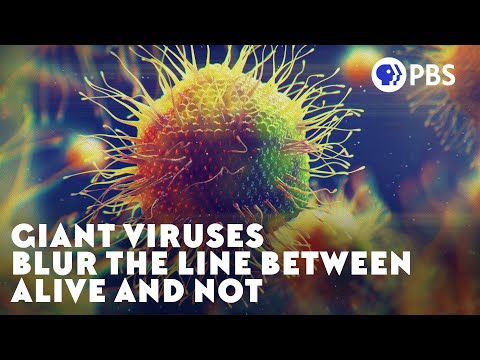
Whether giant viruses are alive is a complex and fascinating question that lies at the very edge of our understanding of life itself. There is no simple yes or no answer. Most biologists would lean towards no, based on the traditional definition of life. However, giant viruses blur the lines so significantly that the debate is far from settled. They possess characteristics previously thought exclusive to cellular organisms, challenging the rigid classification we’ve long held. Ultimately, the answer depends on how you define “life.”
What Makes Giant Viruses So Special?
The discovery of Acanthamoeba polyphaga mimivirus (APMV) in 2003 shook the virology world. It was unlike any virus seen before. For one, it was huge – large enough to be seen under a light microscope, a feature previously associated only with bacteria. More significantly, Mimivirus possessed a much larger genome than other known viruses, encoding hundreds of genes. Subsequent discoveries revealed even larger viruses, further complicating the picture.
Here’s what makes giant viruses so unique:
- Size: Giant viruses, such as Mimivirus, Pandoravirus, and Pithovirus, can be over 1000nm in length, rivaling the size of some bacteria.
- Genome Size: Their genomes can contain hundreds or even thousands of genes, dwarfing the genetic material of smaller viruses and even some bacteria.
- Complex Gene Repertoire: These genes encode proteins involved in functions traditionally associated with cellular life, such as protein synthesis, DNA repair, and metabolism. Some even possess genes for ribosomal proteins and aminoacyl-tRNA synthetases, key components of the protein translation machinery.
- Ability to be Infected: Some giant viruses can be infected by smaller viruses, called “virophages,” adding another layer of complexity to their biology.
- Evolutionary Origins: The origin of giant viruses remains a mystery, with some hypotheses suggesting they evolved from more complex cellular organisms that gradually simplified, while others propose they emerged independently.
The Argument Against Life
The primary arguments against classifying giant viruses as living organisms revolve around these characteristics of viruses in general:
- Acellular Structure: Viruses are not made of cells. They consist of genetic material (DNA or RNA) enclosed in a protein coat (capsid), sometimes with a lipid envelope.
- Lack of Independent Metabolism: Viruses cannot generate their own energy (ATP) or synthesize proteins independently. They require a host cell to replicate.
- Obligate Intracellular Parasitism: Viruses can only reproduce inside a host cell, hijacking its cellular machinery to produce new viral particles.
These traits are in contrast to cellular organisms, which are self-sufficient, can reproduce independently (or with a partner), and have their own metabolic processes.
The Argument For Life (Or Something Close To It)
Giant viruses challenge these traditional views. Their complex genomes and encoded functions suggest a degree of autonomy not seen in other viruses. They blur the line between what we consider living and non-living because:
- They Possess Genes for Essential Cellular Functions: Having genes involved in protein synthesis, DNA repair, and metabolism hints at a greater capacity for self-sufficiency than typical viruses.
- They Have Complex Life Cycles: The replication cycle of giant viruses can be intricate, involving the formation of “virus factories” within the host cell.
- They Evolve and Adapt: Like all viruses, giant viruses evolve and adapt to their environment through mutation and natural selection.
These characteristics push the boundaries of the definition of life, forcing us to reconsider what it truly means to be alive.
The Verdict: A Matter of Perspective
So, are giant viruses alive? The most accurate answer is: it depends on your definition of life. If we adhere to the traditional cell-centric view, then no, they are not. However, if we acknowledge the complexity and ambiguity inherent in the natural world, and consider the significant overlap between giant viruses and cellular organisms, the question becomes much more nuanced.
Perhaps giant viruses represent a “grey area” between living and non-living, or perhaps they are simply a different form of life that doesn’t fit neatly into our existing categories. Regardless, their discovery has revolutionized our understanding of viruses and challenged our fundamental assumptions about the nature of life itself. We can continue to learn about these intriguing organisms through resources such as those offered by the Games Learning Society at https://www.gameslearningsociety.org/.
Frequently Asked Questions (FAQs)
Q1: What are the largest known giant viruses?
The largest known giant viruses include Pandoravirus, Pithovirus, and Mimivirus. Pandoravirus is particularly notable for its large, amphora-shaped structure and enormous genome.
Q2: Where are giant viruses typically found?
Giant viruses are predominantly found in aquatic environments, such as oceans, lakes, and freshwater sources. They have also been isolated from soil samples and even ancient permafrost.
Q3: Can giant viruses infect humans?
Currently, there is no clear evidence of giant viruses directly infecting humans. They typically require a host vector, such as an amoeba, for replication. However, research is ongoing to investigate potential indirect effects on human health.
Q4: How do giant viruses replicate?
Giant viruses replicate within a host cell by hijacking its cellular machinery. They form specialized structures called “virus factories” within the host cytoplasm, where viral DNA is replicated, and new viral particles are assembled.
Q5: What is a virophage, and how does it relate to giant viruses?
A virophage is a small virus that infects giant viruses. It inhibits the replication of the giant virus within the host cell. The most well-known virophage is Sputnik, which infects Mimivirus.
Q6: Do giant viruses evolve?
Yes, giant viruses evolve through mutation and natural selection, just like other viruses and organisms. They can also acquire new genes through horizontal gene transfer from their hosts or other organisms.
Q7: What kind of genetic material do giant viruses have?
Giant viruses have large, double-stranded DNA genomes that encode a vast array of genes.
Q8: Are giant viruses a threat to the environment?
The ecological role of giant viruses is still being investigated, but they are believed to play a significant role in regulating microbial populations in aquatic environments through the metabolic reprogramming of their hosts. Their impact on broader ecosystem dynamics is an area of ongoing research.
Q9: How old are the oldest giant viruses discovered?
Some giant viruses have been reactivated from 30,000-year-old permafrost samples, demonstrating their ability to remain infectious for extended periods.
Q10: How did giant viruses get so big and complex?
The evolutionary origins of giant viruses are still debated. One hypothesis suggests they evolved from more complex cellular organisms that simplified over time, while another proposes they emerged independently from the primordial soup.
Q11: What role do amoebas play in the giant virus life cycle?
Amoebas often serve as the primary hosts for giant viruses. The viruses infect the amoebas, replicate within them, and then are released to infect other amoebas.
Q12: Can giant viruses exchange genes with other organisms?
Yes, giant viruses can exchange genes with other organisms through horizontal gene transfer. This process can contribute to their evolution and adaptation.
Q13: Are giant viruses considered a new domain of life?
While giant viruses have challenged traditional classifications, they are not currently considered a new domain of life. Most scientists still classify them as viruses, albeit highly complex ones.
Q14: What is the significance of finding giant viruses in permafrost?
The discovery of giant viruses in permafrost raises concerns about the potential for ancient pathogens to be released as the Arctic warms. These viruses could pose a threat to modern organisms that have no immunity to them.
Q15: How does the study of giant viruses contribute to our understanding of evolution?
The study of giant viruses provides valuable insights into the evolution of viruses and the origins of life. Their complex genomes and unique features challenge traditional views of viral evolution and blur the lines between living and non-living entities. Giant viruses continue to fascinate scientists, pushing the boundaries of knowledge and providing exciting avenues for future research. Further exploration into the world of viruses may reveal new ways that GamesLearningSociety.org can educate about biological processes.