Are Jammers Legal? The Definitive Guide
Fast answer first. Then use the tabs or video for more detail.
- Watch the video explanation below for a faster overview.
- Game mechanics may change with updates or patches.
- Use this block to get the short answer without scrolling the whole page.
- Read the FAQ section if the article has one.
- Use the table of contents to jump straight to the detailed section you need.
- Watch the video first, then skim the article for specifics.
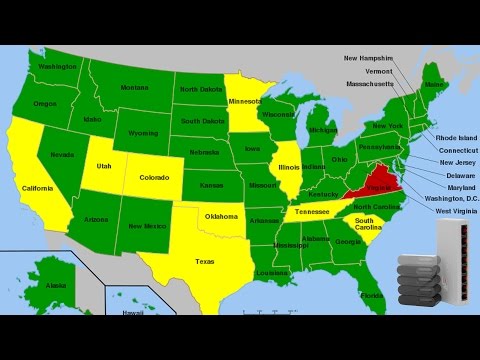
No, jammers are overwhelmingly illegal in the United States and many other countries. The use, sale, marketing, or even possession of devices designed to intentionally block, jam, or interfere with authorized radio communications is a serious violation of federal law. There are very limited exceptions, usually reserved for specific government agencies and law enforcement under tightly controlled circumstances.
The Legal Landscape of Jamming Devices
Signal jammers, in their various forms (cell phone, GPS, Wi-Fi, etc.), are a problematic technology with a history of stringent legal restrictions. Understanding why this technology faces such heavy regulation requires a dive into the potential consequences of its misuse.
The primary reason for the illegality is the profound disruption jammers cause to vital communication networks. They don’t discriminate; they block everything within their radius, including emergency calls (911), public safety communications, and critical business operations. Imagine a scenario where someone uses a jammer in a building, and a fire breaks out. No one could call for help, potentially leading to catastrophic consequences.
Federal laws like the Communications Act of 1934 (amended many times since) form the cornerstone of this prohibition. The Federal Communications Commission (FCC) actively enforces these laws, imposing severe penalties on violators. These penalties can include:
- Significant monetary fines: Fines can reach up to $11,000 per violation, and potentially much higher depending on the circumstances.
- Seizure of equipment: Any jamming device found in the possession of an unauthorized individual is subject to immediate seizure by authorities.
- Criminal sanctions: Individuals involved in the manufacture, sale, or intentional use of jammers may face criminal charges, including imprisonment.
Who Can Legally Use Jammers?
The list of entities authorized to use jammers is extremely short and rigorously controlled. Typically, it includes:
- Federal law enforcement agencies: In specific, highly controlled situations.
- State Police Department of Jail authorities, Central Govt. security agencies: For maintaining security protocols in high-risk areas.
Even these agencies require prior approval and operate under strict guidelines to minimize collateral interference with legitimate communications. The SPG & IB maintain a database of available jammers.
The Impact of Illegal Jamming
Beyond the legal repercussions, the ethical and societal impacts of using jammers are substantial. Consider these scenarios:
- Compromised Emergency Services: A jammer can prevent individuals from contacting emergency services during a crisis, potentially resulting in injury or loss of life.
- Disrupted Business Operations: Companies rely on wireless communication for everything from point-of-sale systems to internal communications. Jammers can shut down these operations, causing significant financial losses.
- Security Risks: Jamming GPS signals can interfere with navigation systems, potentially endangering transportation and logistics operations.
The rise of personal tracking technology makes this an area of ongoing legal concern. The Games Learning Society explores these ethical considerations with a number of educational projects. See more at GamesLearningSociety.org.
Frequently Asked Questions (FAQs) About Jammers
Here are some frequently asked questions regarding the legality and use of jammers, providing clarity on this complex topic:
1. What is the penalty for using a cell phone jammer?
The use or marketing of a jammer in the U.S. may subject a person to: significant monetary penalties (fines of up to $11,000), seizure of the unlawful equipment and criminal sanctions including imprisonment.
2. Can anyone buy a jammer?
No. Jammers can be procured only by state Police Department of Jail authorities, Central Govt. security agencies with permission granted in consultation with SPG & IB who maintain a database of available jammers.
3. Is it illegal to buy a GPS jammer?
Yes. Federal law prohibits the operation, marketing, or sale of any type of jamming equipment that interferes with authorized radio communications, including cellular and Personal Communication Services (PCS), police radar, and Global Positioning Systems (GPS).
4. Can cell phone jammers be detected?
While difficult for the average consumer to detect definitively, specialized equipment like jammer detectors can identify jamming signals.
5. Can jammers be traced?
While apps claiming to detect signal jammers are largely unproven and require a working signal, advanced technology can trace jammers, though this often requires specialized equipment and expertise.
6. How can I detect a jammer?
Jammer detectors are specialized devices designed to track and locate signal jammers by detecting jamming noise.
7. Do blackbox jammers actually work?
Black Box Jammers don’t make you invisible on the road – the box still knows the car is moving and will log this as usual.
8. Why are jammers illegal?
Cell phone jammers can block emergency calls (like 911) and interfere with vital public safety communications.
9. Are WiFi jammers illegal?
Yes. Federal law prohibits the use, operation, sale, and marketing of any type of jamming device that interferes with WiFi signals.
10. How do you make a cell phone jammer?
The question itself borders on legality since the very knowledge of how to manufacture one could be interpreted as intent. It involves building an RF amplifier circuit. However, attempting to create one is highly discouraged due to the severe legal consequences.
11. Do cell phone jammers block WiFi?
Yes, mobile signal jammers not only block voice and text on your phone, but also interferes with GPS, WiFi, and potentially other signals like police radar.
12. What is the best mobile jammer?
“Best” is a loaded term, given their illegality. However, devices like the MONSTRO 10 are often cited for their ability to work with various wireless technologies – though possessing such a device is illegal.
13. Is wifi jamming a felony?
While typically enforced by the FCC, violations are punishable by fines of up to $112,500 per violation and could lead to criminal prosecution, including imprisonment.
14. Can I use a cell jammer in my house?
No. There are no exemptions for using a phone jammer in any location, including a residence.
15. Why would someone use a jammer?
While reasons vary, they include preventing communication between inmates and visitors, maintaining quiet in places like libraries, and preventing cheating – though none of these reasons justify the illegal use of a jammer.
The Future of Jamming Technology and Regulation
As wireless technology continues to evolve, the challenges surrounding jamming devices will likely become more complex. The development of more sophisticated jammers, capable of targeting specific frequencies or devices, poses a significant threat. Simultaneously, efforts to detect and counteract jamming technology will also advance.
Regulators will need to adapt their approach to address these emerging threats, potentially requiring more robust enforcement mechanisms, enhanced detection capabilities, and stricter penalties for violations. Public awareness campaigns can help to educate individuals about the dangers of using jammers and the importance of protecting wireless communication networks.
The future will likely involve a constant cat-and-mouse game between those seeking to disrupt communications and those trying to protect them. This is why understanding the legal and ethical implications is crucial for navigating this complex landscape.
Using a jammer can have disastrous consequences. Don’t risk it.