Are Magnetic Balls Banned in the US? A Comprehensive Guide
Fast answer first. Then use the tabs or video for more detail.
- Watch the video explanation below for a faster overview.
- Game mechanics may change with updates or patches.
- Use this block to get the short answer without scrolling the whole page.
- Read the FAQ section if the article has one.
- Use the table of contents to jump straight to the detailed section you need.
- Watch the video first, then skim the article for specifics.
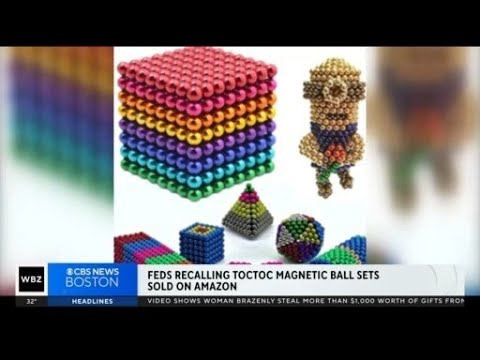
The story of magnetic balls in the United States is a rollercoaster of regulations, recalls, and safety concerns. The short answer to whether they are banned is: it’s complicated. While a blanket ban isn’t currently in effect, stringent safety standards and ongoing recalls significantly limit their availability and dictate their design and sale. Let’s dive into the details.
The Bumpy Road to Regulation
The Consumer Product Safety Commission (CPSC) has been grappling with the dangers posed by high-powered neodymium magnets, particularly those found in small, spherical ball sets, for years. These magnets, often marketed as desk toys or stress relievers, possess a deceptively dangerous characteristic: when swallowed, they can attract to each other through intestinal walls, causing perforations, blockages, infections, and even death.
The 2014 Ban and Its Overturn
In 2014, the CPSC issued a ban on these magnets, effectively removing them from the market. However, this ban was overturned in 2016 by a court ruling, leaving a regulatory vacuum and leading to a resurgence of these hazardous products.
The Re-emergence of Safety Concerns
The lifting of the ban was followed by a sharp increase in injuries reported to U.S. Poison Control Centers. Data showed a sixfold increase in magnet ingestions from 2016 to 2019, highlighting the urgent need for renewed action. This prompted the CPSC to revisit the issue and develop new safety standards.
The Current Landscape: Safety Standards and Enforcement
Today, the CPSC has implemented a mandatory federal safety standard for magnets (16 CFR 1262). This standard aims to prevent magnet ingestion injuries by setting specific requirements for the strength and size of magnets used in certain products. Key provisions of this standard include:
- Magnet Strength Limits: The standard sets limits on the magnetic flux index allowed in toys and other products marketed to children, making it harder for small magnets to pose the ingestion hazard.
- Size and Labeling Requirements: Manufacturers must ensure that any magnet strong enough to cause harm if swallowed is either too large to be swallowed or securely contained within the product. Products also require prominent warnings about the dangers of magnet ingestion.
- Enforcement and Recalls: The CPSC actively enforces these standards, issuing recalls of non-compliant products and taking legal action against companies that violate the regulations.
Recent Recalls and Ongoing Vigilance
Recent recalls, such as those involving DigitDots Magnetic Balls and Iraza 512 Piece Magnetic Stone 5mm Magnetic Ball Sets, demonstrate the CPSC’s commitment to removing dangerous magnetic toys from the market. These recalls highlight the importance of consumer awareness and the need to report any unsafe products to the CPSC.
Are All Magnetic Balls Illegal?
It’s crucial to understand that not all magnetic ball sets are illegal. Products that comply with the CPSC’s safety standard are permitted. The legality hinges on meeting specific criteria related to magnet strength, size, and product labeling.
Understanding the Intent
It’s also worth noting that the CPSC’s focus is on protecting children under 14. Therefore, magnets marketed specifically for adults, and meeting the stringent safety standards, are permissible.
Frequently Asked Questions (FAQs)
Here are 15 frequently asked questions to further clarify the complexities surrounding magnetic balls and their legality in the U.S.:
- What is the CPSC? The Consumer Product Safety Commission (CPSC) is the federal agency responsible for protecting the public from unreasonable risks of injury or death associated with consumer products.
- Why were magnetic balls initially banned? Magnetic balls were initially banned due to numerous reports of serious injuries to children who swallowed them. These magnets could attract each other inside the body, causing severe damage to the digestive system.
- Why was the ban overturned? The ban was overturned due to a court ruling that challenged the CPSC’s regulatory process at the time.
- What are neodymium magnets? Neodymium magnets are a type of rare-earth magnet known for their exceptional strength. They are significantly more powerful than traditional magnets.
- What happens if a child swallows magnetic balls? If a child swallows two or more magnets, they can attract to each other inside the body, leading to intestinal perforations, blockages, infections, and potentially death. Immediate medical attention is crucial.
- What should I do if my child swallows a magnetic ball? If you suspect your child has swallowed a magnetic ball, call poison control immediately at 800-222-1222 and take them to the nearest emergency room.
- Are all magnets in toys dangerous? No, not all magnets in toys are dangerous. The CPSC’s safety standards focus on high-powered magnets that are small enough to be swallowed.
- What is the current safety standard for magnets? The current safety standard for magnets (16 CFR 1262) sets limits on the magnetic flux index and requires appropriate labeling to warn consumers about the dangers of magnet ingestion.
- Are Buckyballs still banned? Buckyballs were previously banned but are now legal to sell in the U.S., provided they comply with the current CPSC safety standards.
- What are Speks? Speks are magnetic balls that have a lower magnet strength than those previously banned and comply with current safety standards.
- Are there any legal neodymium magnets in the US? Yes, neodymium magnets are not inherently illegal, provided they are used in compliance with CPSC regulations or in applications not covered by those regulations. For example, a large neodymium magnet used in a laboratory or for industrial purposes would not be subject to the same rules as small magnetic balls marketed to children.
- Can I bring magnetic toys on a plane? Yes, magnetic toys and games are generally allowed on airplanes in both carry-on and checked baggage. The magnets in these items are usually small and not considered dangerous.
- Where can I report an unsafe magnetic toy? You can report an unsafe magnetic toy to the CPSC through their website, www.cpsc.gov.
- What is a recall? A recall is an action taken by a manufacturer or the CPSC to remove a product from the market due to safety concerns or defects that could cause injury or death.
- What is the Games Learning Society? The Games Learning Society is a community of researchers, educators, and game designers dedicated to exploring the potential of games for learning and social impact. Learn more at GamesLearningSociety.org.
The Bottom Line
While a complete ban on magnetic balls is not currently in place, the CPSC’s stringent safety standards and ongoing enforcement actions have significantly limited the availability of these products. Consumers must remain vigilant, stay informed about recalls, and prioritize safety when considering the purchase or use of any product containing small, high-powered magnets. The risks associated with magnet ingestion are real and potentially life-threatening.
The regulation of magnetic balls continues to evolve. As research progresses and new safety concerns emerge, the CPSC may introduce further measures to protect consumers. The aim is to find a balance between allowing access to these products and ensuring the safety of children.