Are Rockets Worth It in Call of War? A Comprehensive Guide
Fast answer first. Then use the tabs or video for more detail.
- Watch the video explanation below for a faster overview.
- Game mechanics may change with updates or patches.
- Use this block to get the short answer without scrolling the whole page.
- Read the FAQ section if the article has one.
- Use the table of contents to jump straight to the detailed section you need.
- Watch the video first, then skim the article for specifics.
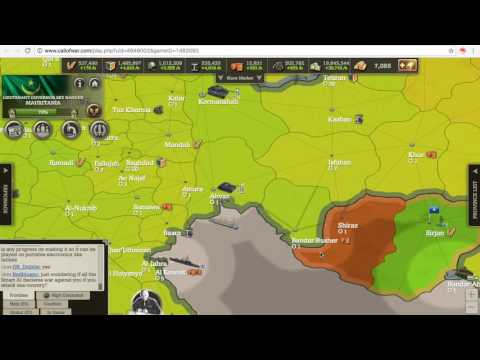
In the complex and strategic world of Call of War, choosing the right units and technologies can be the key to victory. Among the various options, rockets often stand out due to their potential for devastating damage. But the question remains: Are rockets worth the investment, research, and deployment? The short answer is a resounding yes, under the right circumstances. Rockets, particularly level 2 and above, offer a unique and powerful strategic advantage in Call of War, but their effectiveness is highly dependent on understanding their strengths, weaknesses, and optimal use cases. This article will delve deep into the pros and cons of rockets, providing a complete picture of their value in your strategic arsenal.
The Power and Purpose of Rockets
Strategic Bombardment and Infrastructure Destruction
The primary function of rockets in Call of War is strategic warfare. Unlike artillery, which is more suited for tactical battlefield engagements, rockets excel at destroying infrastructure, such as airbases, factories, and other key buildings. This ability to cripple an opponent’s production and logistical capabilities from a distance is invaluable. By targeting airbases, rockets can effectively ground enemy aircraft, potentially transforming those aircraft into vulnerable convoys, ready for a follow-up rocket strike. This strategic disruption is especially impactful against smaller nations that might struggle to recover from such significant infrastructure damage.
Long-Range Artillery with a Catch
Rockets in Call of War act as long-range artillery. Their extensive range allows them to target enemies far from the front lines, but their unique deployment mechanism involves convoys which can take time, making it important to plan ahead. They require an airbase to launch, which can be both a benefit and a liability. While the airbase requirement ensures their long-range capabilities, it also restricts their mobility and can leave them vulnerable if airbases are targeted by enemy forces. However, their level 2+ rockets cannot be shot down, adding to their unique strategic advantage.
Cost-Effectiveness
One of the most compelling aspects of rockets is their manpower cost. At just 25 manpower, they represent a relatively inexpensive strategic weapon, making them accessible even to countries with limited resources. This cost-effectiveness, combined with their destructive power, renders rockets particularly potent for smaller nations seeking to punch above their weight or larger nations wishing to employ additional strategic pressure.
Rocket Types and Their Unique Strengths
Regular Rockets
These are the workhorse of your strategic bombing campaign. They are best used to target infrastructure to diminish your opponents capabilities. They are the ideal tool for long range bombardment.
Flying Bombs (V1)
While similar to regular rockets in their ability to damage infrastructure and negatively impact morale, flying bombs differ in that they have a degree of effectiveness against troops. They can also be shot down by anti-air guns, which means you need to deploy with this risk in mind.
Optimal Usage of Rockets
Rockets aren’t just for launching and hoping for the best. Maximizing their effectiveness requires careful planning and execution. Here’s how to optimize your rocket deployment:
- Target Selection: Focus on critical infrastructure targets such as airbases, factories, and research facilities to maximize disruption. Airbases are an excellent first target, as destroying these disables most of the opponents air units.
- Secondary Strikes: Exploit the vulnerability of grounded aircraft. After disabling an airbase with a rocket strike, follow up with another strike to neutralize the transformed convoy units.
- Combined Arms: Use rockets in conjunction with other ranged units, such as artillery and air forces, to create overwhelming pressure on your enemies.
- Strategic Positioning: Carefully position your launching airbases. Consider the potential for enemy counterattacks, and ensure your bases are well defended.
- Timing: Time rocket strikes to coincide with major offensive or defensive operations, creating maximum disruption and enabling your forces to exploit enemy vulnerabilities.
Limitations and Countermeasures
While powerful, rockets are not without limitations:
- Vulnerability to Counter-Battery Fire: While the rocket itself is uncounterable at level 2+, the airbases from which they launch are still vulnerable to other ranged attack units like artillery and other rocket strikes.
- Mobility Constraints: The reliance on convoys for movement between airbases means rockets lack speed, meaning you must plan ahead to deploy them effectively.
- Dependence on Airbases: If enemy forces neutralize your airbases, your rockets become virtually useless.
- Limited Tactical Flexibility: Rockets are primarily for strategic, not tactical engagements, making them less adaptable to fluid combat situations.
- Flying Bomb Vulnerability: Keep in mind that flying bombs can be shot down if they are met by sufficient anti-air.
Are Rockets Worth It in Call of War? The Final Verdict
In conclusion, rockets are a valuable asset in Call of War, particularly for their ability to disrupt enemy infrastructure and create strategic opportunities. Their long range, relative affordability, and high destructive power make them a formidable weapon. However, their limited mobility, reliance on airbases, and vulnerability to enemy air and ranged attacks necessitate careful planning and deployment. When used strategically, rockets can be a game-changer. When not used carefully, they can be rendered ineffective and are a huge waste of resources. In the right hands, with the right targets, they will always be worth the investment.
Frequently Asked Questions (FAQs) About Rockets in Call of War
1. How do rockets differ from regular artillery in Call of War?
Rockets are primarily for strategic warfare, focusing on building destruction and long-range bombardment. While artillery is typically used for tactical battlefield support in close engagements. Rockets are ideal for long-range strikes against infrastructure, while artillery supports your front lines.
2. Why do rockets require airbases to launch?
The requirement of an airbase is a game mechanic to enforce mobility restrictions. Since they cannot be moved by aircraft, they must be moved via convoy. Their requirement of an airbase enforces their immobility compared to aircraft.
3. Can rockets be shot down in Call of War?
Level 2+ rockets cannot be shot down but flying bombs can be shot down by anti-air guns. This makes regular rockets a more reliable strategic tool at higher levels.
4. What is the best strategy for using rockets effectively?
The best strategy involves targeting critical infrastructure, particularly airbases, to ground enemy aircraft. Using follow-up rocket strikes against transformed convoys and coordinating rocket attacks with other ranged units is also highly effective.
5. What are the main weaknesses of rockets?
Their main weaknesses include their reliance on vulnerable airbases, slow convoy movement, lack of tactical flexibility, and vulnerability to counter-battery fire on the launching airbases. Flying bombs are vulnerable to anti-air.
6. Are rockets good for defending against enemy invasions?
Rockets are primarily offensive weapons, better suited for strategic strikes than defensive engagements. While they can damage troops, they are not designed for direct combat. Artillery and fortified positions are more suitable for defense.
7. How does manpower affect the production of rockets?
Rockets have a low manpower cost (25). They are a good option for smaller nations or for larger nations wishing to keep manpower costs down on strategic units.
8. Are flying bombs better than regular rockets?
Not necessarily. Flying bombs can damage troops but can be shot down by anti-air, making them less reliable for strategic strikes. Regular rockets are better for consistent infrastructure destruction.
9. Can rockets be transported by aircraft carriers?
No, rockets cannot be transported by aircraft carriers. They require convoys, making their transport slow and predictable.
10. Should I invest in rockets early in the game?
Rockets can be beneficial early in the game for crippling neighboring countries with small air forces. However, you must balance their cost and time investment with other necessary units.
11. Do rockets heal if they are stationed in an airbase?
No. Rockets do not heal. They have no health pool. The airbase is merely their launch platform.
12. How does the range of rockets compare to other units?
Rockets have a long range, but some units, like the strategic bomber, are still able to out-range rockets.
13. How many rockets should I typically build?
The number of rockets depends on your strategy and resources. Building several rockets is useful for strategic warfare, but don’t neglect other units. Having a few to start is a good idea, before focusing on more important units.
14. Can rockets destroy units that are attacking my city?
Yes, rockets can target any unit or building within their range. However, their effectiveness against units is not as high as dedicated tactical units.
15. What is the counter for a nation that heavily uses rockets?
Countering a rocket-focused nation involves targeting their airbases and using your own long-range artillery and air forces to engage in a battle of attrition. Anti-air guns can counter flying bombs. Focus on early air superiority and a strong army to push back against a player focused on airbases and rockets.