Can a Human Female Egg Fertilize Itself? Exploring the Realm of Self-Fertilization in Humans
Fast answer first. Then use the tabs or video for more detail.
- Watch the video explanation below for a faster overview.
- Game mechanics may change with updates or patches.
- Use this block to get the short answer without scrolling the whole page.
- Read the FAQ section if the article has one.
- Use the table of contents to jump straight to the detailed section you need.
- Watch the video first, then skim the article for specifics.
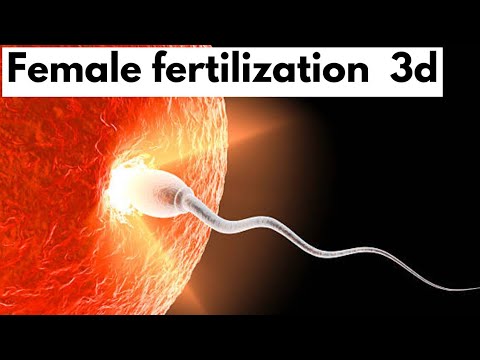
The straightforward answer is no, a human female egg cannot fertilize itself under normal biological conditions. While the concept of self-fertilization, or autogamy, exists in nature, particularly in some plant and invertebrate species, it is not a naturally occurring process in humans. Human reproduction requires the fusion of a female gamete (egg) and a male gamete (sperm) from two separate individuals. Let’s delve into the reasons why and explore the intriguing possibilities and limitations surrounding this concept.
The Biological Barriers to Human Self-Fertilization
Several fundamental biological mechanisms prevent self-fertilization in humans. These mechanisms are deeply rooted in our genetic makeup and reproductive physiology.
Separate Sexes and Gamete Production
Humans are dioecious, meaning we have separate sexes, with females producing eggs and males producing sperm. This segregation of gamete production is the first and most obvious barrier to self-fertilization. A single individual cannot simultaneously produce both eggs and sperm, except in extremely rare and often non-functional cases of chimerism, which we’ll discuss later.
Genetic Imprinting and the Need for Two Parental Genomes
Even if a mechanism could artificially stimulate an egg to develop without sperm, the resulting offspring would likely not be viable due to genomic imprinting. Genomic imprinting is a phenomenon where certain genes are expressed in a parent-of-origin-specific manner. In other words, some genes are only active when inherited from the mother, while others are only active when inherited from the father. A healthy embryo requires both sets of imprinted genes for proper development. An offspring derived solely from a maternal genome would lack the necessary paternal imprints, leading to developmental abnormalities and typically, non-viability.
Mechanisms to Prevent Homozygosity
Sexual reproduction ensures genetic diversity in offspring. Self-fertilization, on the other hand, would lead to increased homozygosity, meaning an increased chance of inheriting two identical copies of the same gene. This can be detrimental because it exposes recessive deleterious alleles, which are harmful gene variants that are usually masked by a dominant healthy allele. Inbreeding depression, caused by increased homozygosity, is a significant disadvantage of self-fertilization in species where it occurs.
The Impossibility of Natural Autogamy
Therefore, natural autogamy, or true self-fertilization, is not possible in humans due to the fundamental requirements of sexual reproduction and the need for both maternal and paternal genetic contributions. The system is simply not set up for it.
Rare Exceptions and Hypothetical Scenarios
While natural self-fertilization is impossible, there are a few rare and hypothetical scenarios that warrant discussion.
Chimerism
A chimera is an individual composed of cells from two or more genetically distinct individuals. In extremely rare cases, a woman could be a chimera resulting from the fusion of two zygotes (fertilized eggs) in early development – one XX (female) and one XY (male). This could theoretically lead to the development of both ovarian and testicular tissue within the same individual. However, even in such cases, functional self-fertilization is highly unlikely. The reproductive tissues may not develop properly, or the individual might not be capable of producing both viable eggs and sperm. Furthermore, even if viable gametes were produced, the genetic issues related to imprinting and homozygosity would remain.
Artificial Activation and Parthenogenesis
Parthenogenesis is a form of asexual reproduction where an egg develops into an embryo without fertilization by sperm. It occurs naturally in some animals, such as certain lizards and insects. While parthenogenesis is not a natural process in mammals, researchers have been able to artificially induce it in mouse eggs. However, this typically requires specific chemical or physical stimuli to activate the egg and initiate development. Even in these artificial scenarios, the resulting offspring often have developmental problems. While theoretically conceivable that a human egg could be artificially activated, the challenges related to genomic imprinting and the complex requirements for human embryonic development make the creation of a viable, healthy human offspring through artificial parthenogenesis extremely unlikely with current technologies.
In Vitro Manipulation
Advances in assisted reproductive technologies (ART) raise the possibility of manipulating eggs and genetic material in vitro. While not self-fertilization in the strictest sense, researchers are exploring ways to modify eggs or even create sperm-like cells from stem cells. These technologies could potentially lead to new forms of reproduction, but they still would not constitute true self-fertilization.
Frequently Asked Questions (FAQs)
1. Can a woman get pregnant without sperm?
Yes, a woman can get pregnant without sexual intercourse through assisted reproductive technologies like IVF (in vitro fertilization) or IUI (intrauterine insemination), but pregnancy always requires sperm. The sperm may come from a donor and be introduced into the woman’s reproductive system artificially.
2. Is there any animal that can fertilize a human egg?
No. The genetic differences between humans and other animals are too great for fertilization to occur. The chromosomes must be compatible for fertilization and proper embryonic development.
3. What is parthenogenesis, and can it happen in humans?
Parthenogenesis is a form of asexual reproduction where an egg develops without fertilization. It occurs naturally in some animals, but it is not a natural process in humans. While artificial parthenogenesis has been induced in mammalian eggs in the lab, it is not currently possible to create a viable human offspring this way.
4. Can two women have a baby together using reciprocal IVF?
Yes, a method called reciprocal IVF or ROPA (reception of oocytes from partner) allows two women to participate in creating a baby. One woman provides the egg, which is fertilized with donor sperm, and the other woman carries the pregnancy. This allows both partners to have a biological connection to the child.
5. Can two men fertilize the same egg?
Usually, no. When one sperm penetrates the egg, a series of changes occur in the egg membrane to prevent other sperm from entering, a process called polyspermy block. While it’s theoretically possible for two sperm to fertilize the same egg (resulting in a triploid embryo), this is very rare and almost always leads to miscarriage.
6. What is genomic imprinting, and why does it prevent self-fertilization in mammals?
Genomic imprinting is a process where certain genes are expressed differently depending on whether they are inherited from the mother or the father. Mammalian development requires both maternal and paternal imprints. An offspring derived solely from a maternal genome would lack the necessary paternal imprints, leading to developmental abnormalities.
7. What is chimerism, and how might it relate to self-fertilization?
Chimerism is when an individual is composed of cells from two or more genetically distinct individuals. In very rare cases, a woman could be a chimera with both XX and XY cells, potentially developing both ovarian and testicular tissue. However, even in this scenario, functional self-fertilization is highly unlikely due to various genetic and developmental challenges.
8. Is self-fertilization the same as asexual reproduction?
Self-fertilization is a form of sexual reproduction (as it involves meiosis and gametes) that is the extreme case of inbreeding. Asexual reproduction does not involve meiosis or gametes, but rather the creation of a new organism from a single parent cell.
9. What are the ethical considerations surrounding artificial parthenogenesis in humans?
Artificial parthenogenesis raises numerous ethical concerns, including the potential for misuse, the impact on the concept of parenthood, and the potential risks to the health and well-being of any offspring created through this method.
10. How common is self-fertilization in the plant kingdom?
Self-fertilization is relatively common in plants, with about 10-15% of flowering plants being predominantly self-fertilizing.
11. Can humans reproduce asexually through cloning?
Cloning is a form of asexual reproduction, but it requires significant medical intervention. It involves creating a genetically identical copy of an existing individual. Humans cannot reproduce asexually without this external intervention.
12. What is the difference between an ovotestis and true hermaphroditism in humans?
An ovotestis is the presence of both ovarian and testicular tissue in the same individual. True hermaphroditism is the extremely rare condition where an individual possesses both functional ovarian and testicular tissue, capable of producing both eggs and sperm. However, in most cases of ovotestis, only one type of tissue is functional.
13. Why can’t humans self-fertilize, while some plants and invertebrates can?
Humans have separate sexes and require both maternal and paternal genetic contributions for proper development. Plants and some invertebrates have different reproductive systems that allow for self-pollination or self-fertilization. These species often have evolved mechanisms to tolerate the increased homozygosity that results from self-fertilization.
14. Could genetic engineering ever make human self-fertilization possible?
While theoretically conceivable, making human self-fertilization possible through genetic engineering would be an incredibly complex undertaking. It would require overcoming numerous biological barriers, including genomic imprinting, the need for separate sexes, and the mechanisms that prevent homozygosity. It also raises significant ethical considerations.
15. What is the role of the Games Learning Society in understanding complex biological concepts like self-fertilization?
The Games Learning Society and similar organizations understand the power of innovative approaches to engage and educate individuals about complex scientific topics. Gamified experiences and interactive simulations can provide intuitive, hands-on methods to grasp intricate concepts in biology, such as reproduction and genetics. Learn more about these innovative approaches at GamesLearningSociety.org.
Conclusion
In conclusion, while the idea of a human egg fertilizing itself is a fascinating thought experiment, it is not biologically possible under normal circumstances. The fundamental requirements of sexual reproduction, including the need for both maternal and paternal genetic contributions, prevent self-fertilization in humans. While rare and hypothetical scenarios like chimerism and artificial parthenogenesis exist, they do not represent true self-fertilization and face significant limitations. The pursuit of scientific knowledge is always ongoing, but for now, human reproduction remains a process that requires the union of two individuals.