Can a Warlock Stop Being a Warlock? Exploring Pact Breaks and Power Loss
Fast answer first. Then use the tabs or video for more detail.
- Watch the video explanation below for a faster overview.
- Game mechanics may change with updates or patches.
- Use this block to get the short answer without scrolling the whole page.
- Read the FAQ section if the article has one.
- Use the table of contents to jump straight to the detailed section you need.
- Watch the video first, then skim the article for specifics.
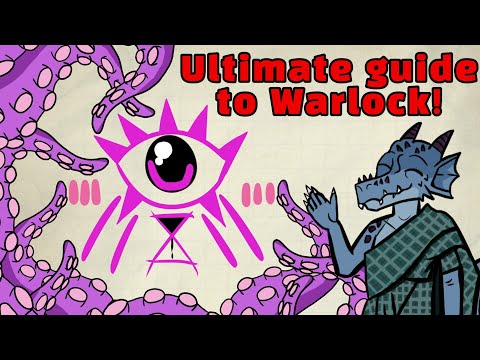
The short answer is no, not really, at least not in the way you might think. Unlike other spellcasters who might lose their abilities through a loss of faith or magical aptitude, a warlock’s power is tied to a pact made with a powerful entity. This pact is not easily undone, and the magic gained is not simply revoked. A warlock cannot just wake up one day and decide to be something else and have all their warlock powers vanish. However, the nuanced reality is more complex, with specific limitations and possibilities related to power loss and character progression.
The Nature of the Warlock Pact
A warlock’s magic is derived from a formal agreement, a pact, with an otherworldly patron. This entity, which could be anything from a fiend or an archfey to a celestial or a great old one, grants the warlock a portion of their power in exchange for service or allegiance. Unlike a cleric who is granted power by faith, the warlock’s power is contractual. Once the pact is made, the power is essentially bestowed, and it’s not easily taken back by the patron. This is a critical concept in understanding why a warlock doesn’t simply lose their powers.
No Easy Exit: Breaking the Pact
Many players assume that breaking the terms of the pact would cause a warlock to lose their abilities. The 5th edition Dungeons and Dragons rules, however, do not explicitly state this as a direct consequence. While a patron may be displeased, frustrated, or even enraged, there’s no automatic “power-off” switch that they can throw. It’s more nuanced. Simply failing to adhere to the pact’s terms does not inherently cause a warlock to lose their magic. The magic is given, and the warlock’s connection to it is persistent.
Limited Advancement, Not Power Loss
What can happen, according to established rules, is that a warlock who ceases to follow through with their pact will no longer gain additional levels as a Warlock. The existing magic they possess remains, but they can’t grow more powerful within that class. They could, however, choose to multiclass into another class and continue their character’s progression this way.
Patron Conflict and Loss of Connection
While patrons cannot easily retract already bestowed powers, there are scenarios that might cause disruption and require a shift in approach to a warlock’s magic.
Going Against Your Patron
If a warlock actively defies or opposes their patron, engaging in behavior that fundamentally breaks the terms of their agreement, there could be more serious consequences beyond just the inability to gain more warlock levels. In such situations, the warlock might lose some patron-specific benefits or abilities related to their pact. However, this would likely be a storytelling device by the DM rather than a strict mechanical feature based on the RAW (Rules as Written).
Killing Your Patron
The most extreme scenario is the death of a warlock’s patron. If the mortal warlock manages to defeat their own patron, there is a very specific possibility: they might be able to take on a fraction of the patron’s power to keep their warlock powers. However, this requires a ritual to absorb this power. If this is not completed, the warlock could be said to have no access to their patron’s power, and should in effect lose the ability to increase their level as a warlock. While the existing powers remain, there is no longer the source of growth. It must also be said that this is likely to be handled by the DM as part of the storyline.
No Patrons, No Problem?
Interestingly, a warlock technically doesn’t need an active or satisfied patron to use their powers. The connection is there; the magic has been given. There is no rule that makes the magic vanish just because the patron goes silent, or even dies. The warlock would simply be unable to deepen their pact or their connection with the entity.
Frequently Asked Questions (FAQs)
Here are some common questions about warlocks and their unique source of power:
1. Can Warlocks Lose Their Magic?
No, a warlock cannot simply lose their magic. The power is a gift tied to the initial pact. It does not simply vanish if the warlock breaches the terms of the pact.
2. Can Warlocks Break Their Pact?
While they might stop following the demands of their patron, there isn’t a defined mechanic for “breaking” the pact. The bond remains, but their relationship with their patron can change significantly.
3. What Happens if a Warlock Loses Their Patron?
Nothing mechanically happens within the established rules of 5e. The magic remains, but they are cut off from a direct source of power for increasing their levels in the warlock class.
4. Can a Patron Revoke a Warlock’s Power?
There is no rule that allows a patron to outright revoke a warlock’s power. The bestowed power remains with the warlock even if the patron is unhappy with them.
5. Can a Dragon Be a Warlock Patron?
Yes, an ancient dragon can be a warlock patron. Their arcane power can be a source for a warlock’s abilities.
6. What Happens if a Warlock Goes Against Their Patron?
A warlock might lose patron-specific benefits or face other narrative consequences, but their core abilities remain. Their progression in the warlock class may be halted by the patron, but the current power remains.
7. Why Are Warlocks Often Considered Evil?
Warlocks deal with otherworldly entities often associated with malevolence. This can be a stereotype, but it’s true some patrons are cruel, capricious, and wild.
8. Are Warlocks Always Evil?
No, they can choose to use their powers for good or neutral purposes, despite the source of their abilities.
9. Can Warlocks Be Immortal?
No, not as a core feature of the Warlock class. However some lore may present the possibility.
10. Are Warlocks Stronger Than Wizards?
Warlocks are more versatile in combat than wizards. Wizards have more spells overall, but warlock spell slots refresh differently, and they are known to have powerful cantrips.
11. Can Warlocks Get Pregnant?
This is primarily a lore question and is not directly touched upon within 5e rulebooks. In some lore, Warlocks cannot have children.
12. Can a Sphinx Be a Warlock Patron?
Yes, there is material that presents a sphinx as a valid patron.
13. What Is the Strongest Warlock Subclass?
This is subjective, but the Genie and Hexblade subclasses are often considered the strongest by players.
14. Which Patron Is Best for Warlock?
This depends on the player’s preference. The Hexblade is often considered mechanically strong, but others, like The Undying, are also popular for their specific themes.
15. Do Warlocks Pray to Their Patrons?
No, Warlocks do not pray. They made a deal in exchange for magic, unlike clerics who pray. They might communicate with their patron, but that depends on the patron’s nature and wishes.
Conclusion: The Persistent Power
In conclusion, a warlock cannot simply stop being a warlock, but their relationship with their patron is crucial to how they progress. Their power is a permanent grant from their pact, and that is not easily retracted or removed. While not a simple “power off switch”, a warlock may find themselves unable to advance as a warlock should they stop adhering to the pact terms or anger their patron. Ultimately, a warlock’s journey is a delicate balance of power, service, and the often unpredictable nature of their otherworldly connections.