Can Axolotls Eat Anything? A Deep Dive into Their Dietary Needs
Fast answer first. Then use the tabs or video for more detail.
- Watch the video explanation below for a faster overview.
- Game mechanics may change with updates or patches.
- Use this block to get the short answer without scrolling the whole page.
- Read the FAQ section if the article has one.
- Use the table of contents to jump straight to the detailed section you need.
- Watch the video first, then skim the article for specifics.
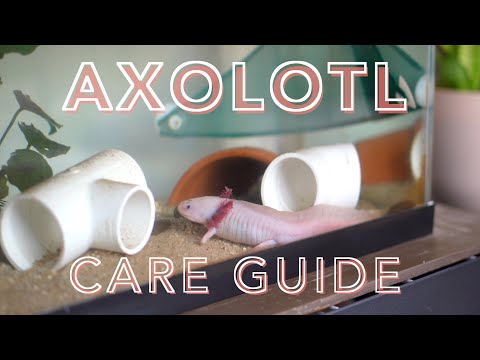
No, axolotls cannot eat just anything. While these fascinating amphibians are opportunistic carnivores with a hearty appetite, their diet requires careful consideration to ensure their health and longevity. They thrive on a protein-rich diet consisting primarily of worms, insects, and other small invertebrates. Understanding what to feed them – and, crucially, what not to feed them – is essential for responsible axolotl ownership.
Understanding the Axolotl Diet: A Carnivore’s Palette
Axolotls are carnivores, meaning their digestive systems are best suited for processing meat-based foods. In the wild, they consume a variety of invertebrates, small fish, and even other axolotls (they are known to be cannibalistic!). In captivity, we aim to replicate this diet with commercially available options, prioritizing high protein content and avoiding anything that could pose a health risk.
What Axolotls Should Eat:
- Worms: This is the cornerstone of a healthy axolotl diet. European Nightcrawlers (cut to size for smaller axolotls) are an excellent staple. California Blackworms and Dendrobaena Worms are also good choices.
- Bloodworms: Both live and frozen bloodworms are readily accepted and provide essential nutrients. They are particularly useful for juvenile axolotls.
- Brine Shrimp: Another good option, especially for younger axolotls.
- Salmon Pellets: Some owners supplement with high-quality salmon pellets designed for carnivorous fish. These should be used sparingly to avoid overfeeding.
- Ghost Shrimp: These can be offered as occasional treats.
What Axolotls Should NOT Eat:
- Feeder Fish: While axolotls can eat fish, feeder fish pose a significant risk of parasite and disease transmission. It’s best to avoid them altogether.
- Mice (Pinkies): While some owners offer pinky mice as a protein source, they are extremely fatty and difficult for axolotls to digest. They should never be a regular part of their diet.
- Human Food: Processed human foods are generally unsuitable and can contain harmful additives, preservatives, and spices. Never feed your axolotl human food.
- Hardshell Insects: Insects with hard exoskeletons, such as beetles, can be difficult for axolotls to digest and may cause impaction.
- Pet Food (Dog or Cat Food): These foods are formulated for other animals and do not meet the specific nutritional needs of axolotls.
- Gravel: While technically not food, small gravel can be ingested during feeding and cause potentially fatal impactions. Use sand or bare-bottom tanks to avoid this risk.
Why is Diet so Important?
A proper diet is crucial for the health, growth, and overall well-being of your axolotl. A balanced diet rich in protein supports:
- Healthy Growth and Development: Especially important for juvenile axolotls.
- Strong Immune System: Proper nutrition helps axolotls fight off diseases and infections.
- Vibrant Colors: A good diet can enhance the axolotl’s natural coloration.
- Optimal Organ Function: All organs rely on nutrients and minerals from the diet.
Frequently Asked Questions (FAQs) about Axolotl Diets
1. Can baby axolotls eat the same thing as adult axolotls?
No, baby axolotls require smaller food items. Ideal foods for babies include daphnia, newly hatched brine shrimp, and very finely chopped earthworms. As they grow, you can gradually introduce larger food options.
2. How often should I feed my axolotl?
Juvenile axolotls (up to 6 months old) should be fed daily. Adult axolotls can be fed every other day or every third day, depending on their size and activity level.
3. How much should I feed my axolotl?
Feed your axolotl an amount they can consume within a few minutes. Avoid overfeeding, as this can lead to obesity and other health problems.
4. Can axolotls eat dead food?
Yes, axolotls readily accept dead or frozen food, such as frozen bloodworms or thawed brine shrimp. This is often a safer and more convenient option than live food.
5. Should I cut up worms for my axolotl?
Yes, especially for juvenile axolotls. Cut earthworms into small, manageable pieces to prevent choking and ensure they can be easily swallowed.
6. My axolotl isn’t eating. What should I do?
Several factors can cause an axolotl to lose its appetite, including:
- Water quality issues: Check the temperature, pH, ammonia, nitrite, and nitrate levels in the tank.
- Stress: Loud noises, bright lights, or aggressive tankmates can stress axolotls.
- Illness: A sick axolotl may refuse to eat. Observe for other symptoms and consult a veterinarian if needed.
- Water Temperature: Axolotls are cold water amphibians. Temperatures over 74F can cause stress.
7. Can axolotls eat shrimp?
Yes, axolotls can eat shrimp. Ghost shrimp are often used as a treat and are safe for axolotls to consume.
8. Can I feed my axolotl nightcrawlers?
Yes, European Nightcrawlers are an excellent food source for adult axolotls. Make sure they are pesticide-free and cut into appropriately sized pieces.
9. Can axolotls eat rice or other grains?
While one source mentions that axolotls can eat rice, it is important to know that axolotls are carnivorous animals and their primary food should be meat-based. Rice or other grains should not be fed to axolotls.
10. Are earthworms too big for axolotls?
Earthworms can be too big for smaller axolotls. Cut them into smaller pieces to make them easier to swallow.
11. Why won’t my axolotl eat earthworms?
Some axolotls may be picky eaters. If your axolotl refuses to eat earthworms, try offering other foods like bloodworms or brine shrimp. Also, make sure the worms are clean and free of dirt.
12. Can I just feed my axolotl pellets?
Axolotl pellets can be a convenient supplement, but they should not be the sole source of nutrition. A varied diet is essential for optimal health.
13. Should I feed my axolotl bloodworms every day?
While bloodworms are a good food source, feeding them exclusively can lead to nutritional imbalances. Use them as part of a varied diet that includes worms and other protein sources.
14. What is the best food for axolotls?
Nightcrawler worms are considered the best staple food for adult axolotls, providing a good balance of nutrients. Combine this with other foods for a well-rounded diet.
15. Are there any plants or decorations I should avoid in my axolotl tank to prevent accidental ingestion or toxicity?
Avoid small gravel that can be ingested. Live plants are generally safe but choose varieties that can tolerate cooler temperatures. Ensure any decorations are smooth and do not have small parts that could be swallowed.
Final Thoughts: A Balanced Diet is Key
Feeding your axolotl a balanced and appropriate diet is crucial for their health and well-being. Avoid risky food items like feeder fish and processed human foods, and prioritize a diet rich in worms and other high-protein sources. By understanding their dietary needs and providing them with a healthy environment, you can ensure a long and happy life for your fascinating amphibian friend. Remember to always research and consult with experienced axolotl keepers or a veterinarian if you have any concerns. You can also explore resources at the GamesLearningSociety.org to learn more about animal care and responsible pet ownership, linking your passion for games and education.