Can Cheat Makers Be Sued? The Legal Battles Behind Video Game Cheating
Fast answer first. Then use the tabs or video for more detail.
- Watch the video explanation below for a faster overview.
- Game mechanics may change with updates or patches.
- Use this block to get the short answer without scrolling the whole page.
- Read the FAQ section if the article has one.
- Use the table of contents to jump straight to the detailed section you need.
- Watch the video first, then skim the article for specifics.
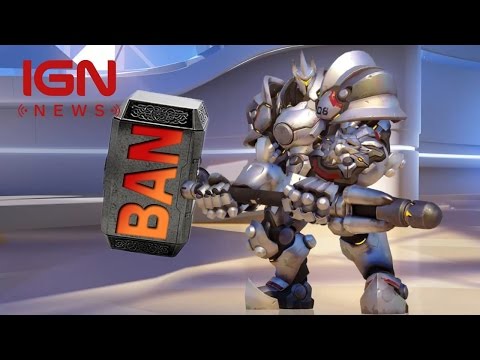
Yes, cheat makers can absolutely be sued, and they increasingly are. Game developers are aggressively pursuing legal action against individuals and organizations that create and distribute cheats for their games. This isn’t just a theoretical possibility; there’s a growing body of legal precedent demonstrating the viability of these lawsuits, with significant financial penalties levied against cheat developers. The legal grounds for these lawsuits are multifaceted, encompassing copyright infringement, breach of contract, and violations of laws like the Computer Fraud and Abuse Act (CFAA).
Why Are Game Developers Suing Cheat Makers?
The primary motivation behind these lawsuits is to protect the integrity of online games and preserve a fair and enjoyable experience for legitimate players. Cheating can ruin the competitive balance, undermine the sense of accomplishment, and drive players away from a game. This has direct financial consequences for developers in terms of lost revenue, diminished player engagement, and damage to the game’s reputation. Game developers invest heavily in creating engaging and balanced experiences, and cheating directly undermines that investment. It’s also important to recognize the impact on the community, as a thriving, fair player base is essential for a game’s long-term success.
Moreover, the sale and distribution of cheats can be seen as a form of copyright infringement. Cheat developers often need to reverse engineer and modify game code to create their tools. This copying and alteration of copyrighted material is a key basis for legal action.
The Legal Landscape: How Cheat Makers Get Caught
Game developers employ a range of strategies to identify and pursue cheat makers. These include:
-
In-game detection systems: These systems constantly monitor player behavior and game data for suspicious activity indicative of cheating.
-
User reports: Players can report suspected cheaters, providing developers with valuable leads.
-
Honeypots: Developers may create deliberately vulnerable accounts or game elements designed to attract cheaters and identify their methods.
-
Legal discovery: Once a cheat maker is identified, developers can use legal discovery processes to obtain information about their operations, including their revenue streams and customer base.
The information gathered is then used as evidence in court, demonstrating the cheat maker’s activities and the financial harm caused to the game developer.
What Legal Claims Are Used Against Cheat Makers?
Game developers typically pursue cheat makers based on several legal theories:
-
Copyright Infringement: Cheat software often requires copying and modifying portions of the game’s code, which constitutes a violation of copyright law. Developers hold the copyright to their games, and unauthorized alteration or distribution of the game’s code is illegal.
-
Breach of Contract (Terms of Service): Most online games require players to agree to Terms of Service (ToS) or End User License Agreements (EULA) that prohibit cheating. By creating and distributing cheats, cheat makers are essentially enabling and encouraging the breach of these agreements.
-
Computer Fraud and Abuse Act (CFAA): In the United States, the CFAA prohibits unauthorized access to protected computer systems. Cheat makers often gain unauthorized access to game servers or player accounts to facilitate cheating, which can violate the CFAA.
-
Tortious Interference: This legal claim argues that the cheat maker intentionally interfered with the game developer’s contractual relationships with its players. By encouraging cheating and undermining the game experience, cheat makers are essentially disrupting the developer’s ability to provide a fair and enjoyable service to its paying customers.
Real-World Examples: Bungie and Other Cases
The article highlights the aggressive stance taken by Bungie, the developer of Destiny 2, against cheat makers. Bungie’s successful lawsuits against AimJunkies and VeteranCheats, resulting in millions of dollars in damages, demonstrate the potential financial repercussions for those involved in creating and distributing cheats. Activision Blizzard has also been actively working to protect their intellectual property and the integrity of their games.
These cases send a clear message to the cheat-making community: game developers are willing to invest significant resources in pursuing legal action to protect their games and their players.
The Broader Impact on the Gaming Industry
The increasing number of lawsuits against cheat makers reflects a growing awareness within the gaming industry of the serious consequences of cheating. It also indicates a willingness to use legal means to combat this problem.
The Games Learning Society supports ethical gameplay. By cracking down on cheating, developers are creating a more level playing field for all players, promoting fair competition and fostering a more positive and enjoyable gaming environment. This is particularly important for online games that rely on a healthy and engaged player base for their long-term success. A commitment to fair play helps ensure the longevity of gaming communities.
Frequently Asked Questions (FAQs)
1. Is cheat development illegal?
Yes, in many instances, cheat development is illegal. Modifying game data usually constitutes a violation of a software license agreement that prohibits modifying the program at all. Furthermore, it can infringe upon copyright laws if it involves copying or reverse engineering game code.
2. Is cheating in an online game illegal?
While cheating in an online game is generally not a criminal offense, it almost always violates the game’s Terms of Service (ToS) or End User License Agreement (EULA). This can result in sanctions such as account bans or suspensions.
3. Can I get banned for playing with a cheater?
Potentially, yes. Most game developers have policies against intentionally associating with cheaters. If you knowingly and consistently play with someone who is cheating, your account may be at risk of suspension or ban. However, if you are unaware that someone is cheating, you are unlikely to be penalized.
4. Can you go to jail for using hacks?
While unlikely for simply using hacks, especially for single-player games, hacking into game servers or manipulating game data in a way that causes significant financial harm can lead to criminal charges, particularly under laws like the Computer Fraud and Abuse Act (CFAA).
5. Can you get sued for selling game cheats?
Yes, you can absolutely be sued for selling game cheats. The relevant legal concepts are copyright, contract law, and the Computer Fraud and Abuse Act. Game developers can sue for damages caused by the sale of cheats and, depending on the severity of the actions, government prosecution is possible.
6. What kind of hack is illegal?
Illegal hacking includes any unauthorized access to a computer system or network. Specifically, it includes hacking for fun, if it involves accessing a company or person’s system without permission. Under the Computer Misuse Act 1990, “unauthorised access to computer material” is an offense.
7. Can I sue a game developer?
Yes, under certain circumstances. You may have a dispute relating to the purchase or use of a game, such as a bad install or a problem with in-game gameplay. Unless you are a minor, you are typically bound by the contractual dispute resolution process in the end user license agreement (EULA).
8. What are the penalties for creating and distributing cheat software?
The penalties for creating and distributing cheat software can be substantial, ranging from financial damages to criminal charges. Game developers can seek damages for copyright infringement, breach of contract, and other related claims. Criminal charges are also a possibility if there is unauthorized computer access.
9. Do cheat codes still exist in modern games?
Cheat codes were often used on old-school games to get ahead, but they have largely gone away in the modern gaming landscape. With the advent of online multiplayer, achievements, and trophies, getting an advantage by putting in a code seems unfair. However, some modern games still support cheats.
10. What legal recourse do game developers have against cheat websites?
Game developers can pursue several legal avenues against cheat websites, including copyright infringement lawsuits, DMCA takedown notices (to remove infringing content), and claims of tortious interference with contractual relations. They can also leverage the CFAA in certain cases.
11. Is it illegal to tell someone their partner is cheating in a game?
No, it’s not illegal, though it might not be well-received. Whether it’s cheating in a virtual game or in a relationship, informing a person about their partner’s actions is not breaking any laws.
12. Has cheaters ever been sued?
Yes, cheaters have been sued. In one instance, (BGP), the creators of the reality shows “Cheaters” and “Cheaters Uncensored,” won $390,000 in damages in a copyright infringement lawsuit against American Television Distribution (ATVD, LLC).
13. Is cheating in a relationship illegal?
Cheating in a relationship, while morally wrong, is generally not illegal in most jurisdictions. However, it can have legal consequences in divorce proceedings, such as affecting alimony or child custody arrangements. In some cases, it might constitute a civil wrong, although lawsuits for “alienation of affection” are rare.
14. What are ethical considerations for game developers in combating cheating?
Game developers should strive for transparency in their anti-cheat measures, informing players about the types of data collected and how it is used. They should also ensure that anti-cheat systems do not infringe on player privacy or compromise system security. False positives (incorrectly identifying legitimate players as cheaters) should be minimized, and there should be a fair appeals process for players who believe they have been wrongly penalized.
15. Where can I learn more about the legal and ethical aspects of game development?
You can learn more about the legal and ethical aspects of game development from resources like the International Game Developers Association (IGDA) and academic research institutions. The GamesLearningSociety.org also explores the educational potential and ethical implications of games.
Conclusion
The legal battles against cheat makers are likely to continue as the gaming industry evolves. As online games become more complex and sophisticated, the incentives for cheating grow, but so does the determination of game developers to protect their games and their players. The successful lawsuits brought against cheat makers send a strong message that cheating is not only unethical but also potentially very costly. Players want a fair game!