Can Cheat Engine Get You Banned? The Definitive Guide
Fast answer first. Then use the tabs or video for more detail.
- Watch the video explanation below for a faster overview.
- Game mechanics may change with updates or patches.
- Use this block to get the short answer without scrolling the whole page.
- Read the FAQ section if the article has one.
- Use the table of contents to jump straight to the detailed section you need.
- Watch the video first, then skim the article for specifics.
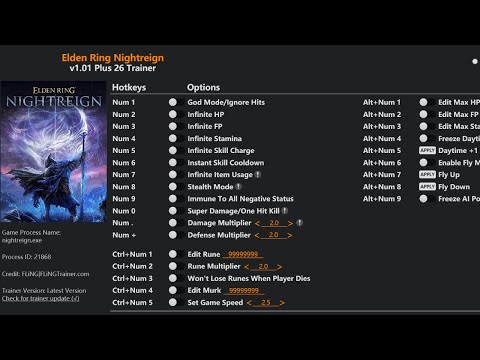
Yes, Cheat Engine can absolutely get you banned, particularly in online multiplayer games that employ anti-cheat systems. The risk varies depending on the game, how you use Cheat Engine, and the anti-cheat measures in place. Let’s delve into the details to understand the nuances and potential consequences.
Understanding Cheat Engine and Its Functionality
Cheat Engine is a powerful, open-source tool primarily designed for debugging and modifying single-player games and applications. It allows users to scan memory addresses and alter values within the game’s process. This can be used to modify health points, ammunition counts, game speed, and other parameters, providing a distinct advantage in the game.
However, this power comes with a price. While perfectly safe for offline, single-player experiences, its use in online environments can trigger anti-cheat systems, leading to bans.
Why Online Games Ban Cheat Engine Users
Online multiplayer games are designed to provide a fair and balanced playing field for all participants. Cheating, of any form, undermines this principle and detracts from the overall experience. Game developers implement anti-cheat systems to detect and prevent the use of third-party tools like Cheat Engine that can provide an unfair advantage.
These systems work in various ways:
- Process Monitoring: Anti-cheat software constantly monitors the game’s process and the processes running alongside it. It looks for known signatures and behaviors associated with cheating tools, including Cheat Engine.
- Memory Scanning: Anti-cheat systems can scan the game’s memory to detect altered values or unauthorized modifications.
- Behavioral Analysis: Some systems analyze player behavior for anomalies that might indicate cheating, such as impossible movements, instant kills, or unnatural resource gains.
If the anti-cheat system detects Cheat Engine or any modifications made with it, it can trigger a ban. The type of ban varies depending on the game and the severity of the offense.
Types of Bans
- VAC Ban (Valve Anti-Cheat): Valve’s VAC system is used in many Steam games. A VAC ban is severe and prevents you from playing any VAC-secured game on that Steam account.
- Game-Specific Ban: Many games have their own anti-cheat systems that issue bans specific to that game. This means you can still play other games, but you’re barred from the game in which you cheated.
- IP Ban: In rare cases, a game might ban your IP address, preventing anyone on your network from playing the game.
- Hardware Ban: The most severe type of ban, a hardware ban blocks your computer’s hardware from accessing the game’s servers.
The Risks and Rewards
The use of Cheat Engine is a risk-reward calculation. In single-player games, the risk is negligible, and the reward is often enhanced enjoyment and experimentation. However, in online games, the risk of being banned is high, and the “reward” is an unfair advantage that can ruin the experience for other players.
Ethical Considerations
Beyond the technical and legal aspects, there are ethical considerations to using Cheat Engine in multiplayer games. Cheating violates the spirit of fair play and disrespects the time and effort invested by other players. GamesLearningSociety.org is a great resource for learning more about the ethics of gameplay and the positive aspects of fair play. Consider exploring their resources at https://www.gameslearningsociety.org/. The Games Learning Society promotes responsible gaming and the benefits of competition based on skill and strategy.
FAQs: Cheat Engine and Bans
1. Is it illegal to use Cheat Engine?
No, using Cheat Engine is not inherently illegal. However, it could lead to legal and ethical complications if you use it in multiplayer games, particularly if it violates the game’s terms of service.
2. Can you get VAC banned for having Cheat Engine installed?
No, you won’t be banned by the VAC system simply for having Cheat Engine installed. You will only be banned if you log in to a VAC-secure server with Cheat Engine actively running and making modifications to the game’s memory.
3. Will Cheat Engine ban me from all games?
No, Cheat Engine won’t ban you from all games. The effect depends on each individual game’s anti-cheat system. It’s generally safe for single-player offline games. If the game is online, any form of cheating can get you banned.
4. Is Cheat Engine a virus?
Cheat Engine is not a virus. However, some antiviruses might flag it as a PUP (Potentially Unwanted Program) or malware because it can attach itself to processes and modify memory.
5. Will Cheat Engine get me banned on GTA Online?
Yes, Cheat Engine can get you banned on GTA Online. Rockstar Games has a strict policy against cheating, and their anti-cheat system is designed to detect and ban users of Cheat Engine.
6. Does Rockstar detect Cheat Engine?
While Rockstar could detect Cheat Engine directly, they often focus on detecting the results of using Cheat Engine, such as modified in-game currency or stats.
7. Do VAC bans go away after a certain period?
No, VAC bans are permanent. They will remain on your account indefinitely. After 7 years, the ban status is hidden by default on your profile, but it’s still active.
8. Is having a VAC ban bad?
Yes, having a VAC ban is bad. It prevents you from playing on VAC-secured servers across all Steam games.
9. How does anti-cheat software work?
Anti-cheat services monitor a player’s game and detect unauthorized use of third-party programs or modifications. They prevent the user from playing the game and often ban the user’s account.
10. How long do VAC bans last?
VAC bans are permanent and cannot be removed by Steam Support unless they were issued incorrectly.
11. Is it safe to download Cheat Engine?
Downloading Cheat Engine from the official website is generally safe, but be aware that the installer can be bundled with adware. Always pay attention during the installation process and uncheck any unwanted software.
12. What can you cheat with Cheat Engine?
Cheat Engine allows you to change various aspects of a game, such as health, ammo, score, lives, and inventory.
13. Is Cheat Engine considered a mod?
Cheat Engine is a development environment focused on modding games and applications for personal use, but it’s more accurate to call it a memory editing tool.
14. Is Cheat Engine detected by Steam?
Yes, you can use Cheat Engine on Steam games, but avoid using it on any online multiplayer game. You risk being banned if the anti-cheat system detects it.
15. Can you get banned if a modder gives you money in a game?
While the policy varies across games, receiving modded money can put your account at risk. Some games might reset your character’s progress instead of issuing a ban.
Conclusion
Cheat Engine is a powerful tool with legitimate uses in single-player games and software development. However, its use in online multiplayer games is highly risky and can lead to severe consequences, including permanent bans. Understanding the risks, ethical considerations, and anti-cheat measures in place is crucial before using Cheat Engine in any online environment. Always prioritize fair play and respect the integrity of the game.