Can Druid Wild Shape Be Dispelled? A Comprehensive Guide
Fast answer first. Then use the tabs or video for more detail.
- Watch the video explanation below for a faster overview.
- Game mechanics may change with updates or patches.
- Use this block to get the short answer without scrolling the whole page.
- Read the FAQ section if the article has one.
- Use the table of contents to jump straight to the detailed section you need.
- Watch the video first, then skim the article for specifics.
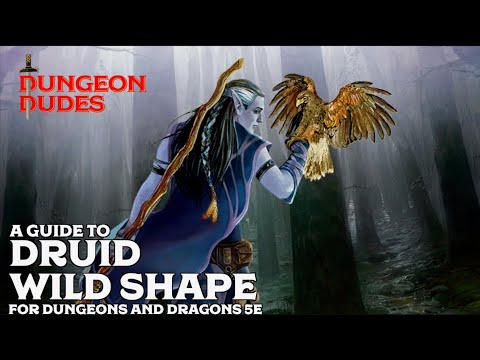
The burning question: Can a druid’s Wild Shape be dispelled? The short answer is complex, because in Dungeons & Dragons 5th Edition (5e), no, Dispel Magic does not directly end a Wild Shape. However, context is always key in D&D, and a few edge cases and misunderstandings often lead to confusion. Wild Shape is a magical ability granted by the Druid class, not a spell itself. This distinction is crucial. Let’s delve into the nuances and explore related scenarios.
Understanding Wild Shape Mechanics
Before diving into dispel mechanics, it’s essential to fully grasp how Wild Shape functions. As a Druid, you can use your action to magically assume the shape of an animal that you have seen. This transformation lasts for a number of hours equal to half your druid level (rounded down). You revert to your normal form earlier if you fall unconscious, drop to 0 hit points, or die. You can also revert as a bonus action on your turn.
The core point: Wild Shape is a class feature that creates a temporary transformation, not a persistent spell effect. This is why typical spell dispelling methods fall short.
Why Dispel Magic Doesn’t Work
The Dispel Magic spell states it can target “one creature, object, or magical effect within range.” The critical keyword is “magical effect.” While Wild Shape creates a magical transformation, it’s not a spell effect. Once the Druid has shifted, the effect is tied to the Druid’s ongoing class feature, not an active spell requiring concentration. Dispel Magic is designed to end or suppress spells, such as Bless or Haste, not innate magical abilities.
Situations Where Wild Shape Can Be Interrupted
While Dispel Magic is ineffective, certain situations will end or inhibit Wild Shape:
- Death or Unconsciousness: As mentioned, falling to 0 hit points or dying while in Wild Shape immediately ends the transformation. The Druid reverts to their normal form with whatever hit points they had before transforming.
- Antimagic Field: An Antimagic Field suppresses all magic within its area, including Wild Shape. The Druid would revert to their original form upon entering the field and would be unable to use Wild Shape again while within its boundaries. The key distinction here is that the field suppresses the ability, it doesn’t permanently remove it. Once outside the field, the Druid can again transform.
- Voluntary Reversion: A Druid can use a bonus action on their turn to revert to their original form. This is the most common and readily available method of ending Wild Shape.
- Time Limit Expiration: Every Wild Shape has a duration of hours equal to half the druid’s level, and once this time is reached, the druid will be returned to their original form.
Wild Shape and Polymorph Spells: A Key Difference
It’s important not to confuse Wild Shape with spells like Polymorph. Polymorph is an actual spell that can be targeted by Dispel Magic. If a Druid were somehow affected by a Polymorph spell (cast by another creature, for example), Dispel Magic could end that effect, returning them to their original form – or, if already in Wild Shape, to the animal form they were using!
Frequently Asked Questions (FAQs) About Wild Shape
1. Can Counterspell stop a Druid from using Wild Shape?
No. Counterspell specifically targets spells as they are being cast. Wild Shape is an ability, not a spell, and therefore cannot be counterspelled.
2. Does an Antimagic Field end Wild Shape?
Yes, an Antimagic Field suppresses all magical effects, including Wild Shape. The Druid reverts to their original form inside the field.
3. What happens if a Druid enters an Antimagic Field while Wild Shaped?
The Druid immediately reverts to their original form. They cannot use Wild Shape again until they leave the field.
4. Can Wild Shape be dispelled by Mage’s Disjunction?
Mage’s Disjunction is a powerful spell that can potentially destroy magical items and end magical effects. While it could potentially affect Wild Shape by targeting any magical items the druid is wearing or carrying that are enhancing the Wild Shape ability indirectly, it is generally overkill and not a reliable way to counter Wild Shape itself.
5. Can a Druid concentrate on spells while in Wild Shape?
Yes, Druids can maintain concentration on spells while transformed, even though they can’t cast new spells in most animal forms due to the limitations on verbal and somatic components.
6. Can a Druid cast spells while in Wild Shape?
Generally, no. Most animal forms lack the ability to perform the verbal and somatic components required for spellcasting. However, some specific feats or class features might circumvent this limitation in niche situations. The Circle of the Moon druids get around this issue, being able to cast spells with verbal and somatic components while in beast shape.
7. Does Wild Shape count as a Polymorph effect?
Yes, Wild Shape is considered a Polymorph effect because it transforms the Druid into a different form.
8. If a Druid is invisible, does Wild Shape cancel the invisibility?
Not necessarily. If the invisibility is due to a spell or magical effect, the Druid remains invisible after transforming, provided they maintain concentration (if required by the invisibility effect). The key is whether the invisibility is tied to the Druid or the original form.
9. What happens to a Druid’s gear when they Wild Shape?
According to the rules, the Druid’s equipment merges into the new form, becoming nonfunctional.
10. Can a Druid Wild Shape into an Elemental?
Yes, at 10th level, Druids gain the ability to expend two uses of Wild Shape to transform into an Elemental.
11. Are there any restrictions on what a Druid can Wild Shape into?
Yes. There are limitations based on the Druid’s level and the creatures they have seen. Generally, they can only transform into beasts of a certain CR (Challenge Rating).
12. Does Wild Shape benefit from spells like Longstrider?
Yes, Longstrider is not a polymorph effect and increases your movement speed. Aspect of the Bear, however, is a polymorph spell, and would remove your current Wild Shape form if you allowed it to.
13. What are the best Wild Shape forms for combat?
The best forms vary depending on the situation, but popular choices include the Giant Vulture, Giant Constrictor Snake, and Killer Whale. High-CR options like the Fire Elemental are also powerful at higher levels. It depends on the druid’s needs!
14. Does Wild Shape allow a Druid to bypass encumbrance?
Yes. When you transform into an animal form, you assume that form’s Strength score. This often allows you to carry much more than in your normal form, essentially bypassing encumbrance.
15. Are there any magical items that interact specifically with Wild Shape?
While there aren’t many items specifically designed for Wild Shape, items that enhance natural armor, strength, or other relevant stats can indirectly benefit the Druid while transformed. Consider items that boost Constitution for increased hit points in animal form.
Conclusion
While Dispel Magic won’t end a Druid’s Wild Shape, understanding the mechanics and limitations of this powerful class feature is crucial for both players and Dungeon Masters. Knowing when Wild Shape can be interrupted (or not!) leads to more engaging and fair gameplay. Don’t forget, the spirit of D&D is collaborative storytelling, and understanding the rules enhances the experience for everyone at the table. To delve deeper into the intersection of gaming and education, explore resources from the Games Learning Society at GamesLearningSociety.org.