Can Druids Wildshape Into Anything? The Ultimate Guide to Druidic Transformation
Fast answer first. Then use the tabs or video for more detail.
- Watch the video explanation below for a faster overview.
- Game mechanics may change with updates or patches.
- Use this block to get the short answer without scrolling the whole page.
- Read the FAQ section if the article has one.
- Use the table of contents to jump straight to the detailed section you need.
- Watch the video first, then skim the article for specifics.
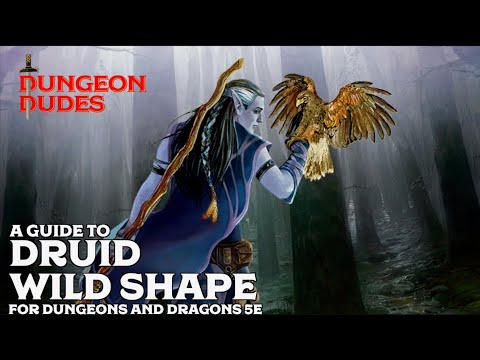
The short answer is a resounding no. While the Wild Shape ability is incredibly versatile and allows Druids to transform into a wide array of creatures, it’s governed by specific rules and limitations. Druids can’t just become anything. They are primarily restricted to beasts, with certain subclasses gaining limited access to other creature types at higher levels. This guide dives deep into the specifics of Wild Shape, exploring what Druids can and cannot transform into, and answering all your burning questions about this iconic Druid feature.
The Core Restrictions: Beasts and Beyond
At its heart, Wild Shape grants Druids the ability to transform into creatures of the beast type. These are generally mundane animals that exist in the natural world – think wolves, bears, eagles, and other familiar fauna. The exact forms available to a Druid are further restricted by their level, Circle (subclass), and the specific rules of the game they’re playing (primarily Dungeons & Dragons 5th Edition, but other systems exist).
- Level: Lower-level Druids are limited to beasts with lower Challenge Ratings (CR). As they level up, they gain access to more powerful forms.
- Circle: The Circle of the Moon subclass is the exception, specializing in combat-oriented Wild Shape forms and gaining access to higher CR beasts earlier than other Druids.
- Experience: A Druid must have seen the beast they wish to transform into. This adds a layer of exploration and discovery to the Wild Shape ability, encouraging players to interact with the game world.
Breaking the Mold: Elemental Transformations
While the vast majority of Wild Shape forms are beasts, some Druids can transcend these limitations. Notably, Circle of the Moon Druids gain the ability at 10th level to transform into elementals: specifically, air, earth, fire, or water elementals.
It’s crucial to note that this ability only grants access to those four specific elemental types. It does not allow a Druid to transform into any creature with the Elemental type, such as a Galeb Duhr or a Gargoyle.
Beyond Wild Shape: Other Shapechanging Options
Although Wild Shape is the Druid’s primary method of transformation, it’s not their only option. High-level Druids can access spells like Shapechange, a 9th-level spell that allows them to transform into virtually any creature, including dragons and other powerful beings.
However, relying on spells for transformation comes with its own set of limitations:
- Spell Slots: Spells require spell slots, which are limited and must be managed carefully.
- Concentration: Many transformation spells require concentration, making the Druid vulnerable to disruption.
Common Misconceptions and Clarifications
The limitations of Wild Shape often lead to confusion among players. Here are some common misconceptions clarified:
- Monstrosities: Druids cannot Wild Shape into monstrosities like Owlbears (unless a DM specifically alters the rules).
- Dragons: Druids cannot Wild Shape into dragons using Wild Shape alone.
- Aberrations, Fiends, Undead, Constructs: Absolutely forbidden.
Wild Shape: More Than Just Combat
While combat prowess is a significant benefit of Wild Shape, it’s important to remember the ability’s utility outside of battle. Druids can use Wild Shape for:
- Stealth: Transforming into a small animal like a rat or a spider allows for infiltration and reconnaissance.
- Travel: Flying forms like eagles and swimming forms like sharks provide efficient modes of transportation.
- Exploration: Certain forms grant access to environments that would otherwise be inaccessible.
Frequently Asked Questions (FAQs) about Druid Wildshape
1. Can a Druid Wildshape into an Owlbear?
No. An Owlbear is classified as a monstrosity, not a beast. Druids are generally restricted to transforming into beasts using their Wild Shape ability.
2. Can a Druid Wildshape into a Dragon?
Not directly with Wild Shape. However, a high-level Druid can use the 9th-level spell Shapechange to transform into a dragon.
3. Can a Druid Wildshape into a Dinosaur?
Technically, it depends on if your DM considers a Dinosaur to be a beast. Usually it is allowed, often with specific beast stat blocks being reflavored as a dinosaur.
4. Can a Druid Wildshape into a Demon?
No. Demons are fiends, not beasts. Druids cannot transform into fiends using Wild Shape.
5. Can a Druid Wildshape into a Wendigo?
No. Wendigos are not beasts, but often considered monstrosities. They fall outside the range of things a druid can transform into.
6. Can Druids Wildshape into a monstrosity?
Only the Druid’s of the Circle of the Moon at level 10 can use two uses of Wild Shape to transform into a monstrosity. This comes with limitations, though. The monstrosity must have a CR rating as high as half of the Druid’s level, rounded down.
7. Can a Tiefling Druid turn into an Owlbear?
The race of the Druid does not matter. Druid’s cannot wild shape into an owlbear because it is not a beast.
8. Can a Druid Wildshape into a Giant?
They cannot turn into a Giant, however, they can turn into giant versions of existing animals as long as they meet the challenge rating requirements.
9. What is the strongest creature a Druid can turn into?
It depends on the Druid’s level and Circle. Circle of the Moon Druids can access higher CR forms earlier, potentially transforming into creatures like a Mammoth at higher levels. For non-Moon Druids, forms like a Dire Wolf or Brown Bear offer a good balance of HP, AC, abilities, and damage.
10. Can a Druid Wildshape into a Dire Wolf?
Yes. A Dire Wolf is a beast, making it a valid Wild Shape form for Druids who have seen one.
11. Can a Druid Wildshape into a Pegasus?
Functionally, yes. You’ll be a horse with wings (which is all a Pegasus is).
12. Can a Druid Wildshape into an Owl?
Yes. An Owl is a beast, making it a valid Wild Shape form for Druids who have seen one. The question is likely related to “Can I turn into an Owlbear?” because of the similar names.
13. Can a Moon Elf be a Druid?
Yes. Elves and Half-Elves can be Druids.
14. Can I Wildshape into a Yeti?
Not directly. It would need to be reflavored into a beast (a white arctic ape) using the stats of an ape.
15. Can I Wildshape into a Displacer Beast?
In Baldur’s Gate 3 there is an option to use your Tadpole powers to transform into a Displacer Beast as a Druid.
Mastering the Wild Shape: Tips for Players and DMs
- Players: Keep track of the beasts you’ve seen. Create a “Wild Shape Bestiary” to organize your options.
- Players: Coordinate with your party. Use Wild Shape for tactical advantages, such as scouting or creating distractions.
- DMs: Be flexible but fair. Consider allowing minor variations on existing beast stat blocks to represent creatures in your world.
- DMs: Encourage exploration. Reward players who actively seek out new and interesting beasts to add to their Wild Shape repertoire.
Conclusion
Wild Shape is a defining feature of the Druid class, offering incredible versatility and roleplaying opportunities. While it’s not a limitless ability, understanding its restrictions and possibilities allows players to maximize its potential and create truly memorable characters. And remember, the world of tabletop roleplaying is ever-evolving, and organizations like the Games Learning Society at GamesLearningSociety.org are constantly exploring new ways to enhance gameplay and foster creativity in our communities.