Can I Use Real Weapon Names in My Game? A Comprehensive Guide
Fast answer first. Then use the tabs or video for more detail.
- Watch the video explanation below for a faster overview.
- Game mechanics may change with updates or patches.
- Use this block to get the short answer without scrolling the whole page.
- Read the FAQ section if the article has one.
- Use the table of contents to jump straight to the detailed section you need.
- Watch the video first, then skim the article for specifics.
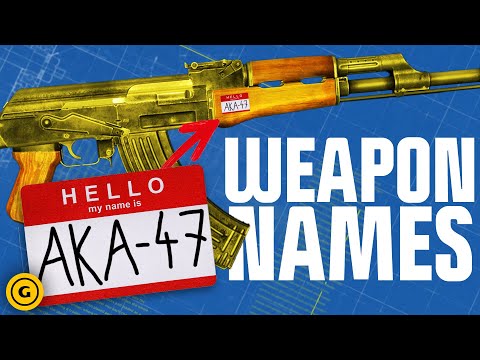
The short answer to the question, “Can I use real weapon names in my game?” is: it’s complicated, but generally, no, you can’t without permission. While the designs of firearms are not typically protected by copyright, the names of guns are often protected by trademark law. This means you need to be extremely careful when incorporating real-world weaponry into your video game, as using a trademarked name without the appropriate licensing can lead to significant legal issues.
The Difference Between Copyright and Trademark
It’s essential to understand the difference between copyright and trademark.
-
Copyright protects original works of authorship, such as books, music, and art. In the context of games, copyright protects the game’s code, original art assets, and the game’s story, among other things. However, copyright does not protect the idea of a gun, or even the design of a functional object like a weapon itself.
-
Trademark protects brand names, logos, and other symbols used to identify goods or services and distinguish them from those of others. In our case, this means that the name of a gun, like “Glock,” “M4,” or “AK-47,” is typically protected by trademark. This means that using the name for commercial purposes, such as in your video game, requires permission from the trademark owner.
Why Games Don’t Always Use Real Gun Names
Many video game developers opt for generic or fictitious names for weapons, even if the weapon designs are clearly inspired by real-world counterparts. This approach is primarily motivated by a desire to avoid the cost and complexity of licensing agreements. If a game wants to use a recognizable, trademarked design or a brand name of gun, it needs to obtain permission (and usually pay licensing fees) from the trademark holder.
Think about it: a developer might want to include a pistol that looks and functions like a Glock 19. However, using the name “Glock 19” would require a licensing agreement with Glock GmbH. Instead, they might create a functionally identical pistol, call it “Pistol X,” and avoid any potential legal ramifications.
The Public Domain and Guns
The concept of the public domain also plays a role here. While the designs of functional objects are not protected by copyright, older firearms with expired patents are considered public domain. However, while the functionality and design of an old weapon like the AK-47 may be in the public domain, its name is often still trademarked by the original manufacturers or their successors. This means that you might be able to create a weapon that looks like an AK-47, but you may still need to avoid using the actual name without proper licensing.
The fact that a design is public domain does not mean the name can be used without permission. Trademarks never expire, unlike copyrights or patents which have limited lifespans. Therefore, even if the design of an old gun is not protected, its name remains under trademark protection.
How Developers Get Around Trademark Issues
Game developers often employ various strategies to avoid infringing on trademarked gun names:
- Creating Fictitious Names: They invent completely original names for weapons, even if their designs are heavily influenced by real-world guns.
- Using Generic Names: Developers may use generic terms that do not directly infringe on any trademark, like “Assault Rifle,” “Sniper Rifle,” or “Combat Shotgun.”
- Subtly Altering Names: Sometimes, developers might subtly change a real gun name to create a unique name that is different enough to avoid trademark issues, while still referencing the source.
- Licensing Agreements: For games with higher budgets, developers might secure licensing agreements with firearms manufacturers, allowing them to use real gun names. However, this can be a costly process and isn’t always viable for smaller or independent studios.
Frequently Asked Questions (FAQs)
1. Are gun designs copyrighted?
No, the designs of functional objects, including guns, are not protected by copyright. However, the names of these guns can be protected by trademark.
2. Are gun names copyrighted?
No, gun names are not protected by copyright. They are protected by trademark, which is a different form of intellectual property.
3. Can I use the look of a real gun without a license?
Yes, you can often use the look of a real gun without a license, as designs of functional objects are generally not protected by copyright. However, you must avoid using the trademarked name of the gun without permission.
4. Is it okay to use a generic name for a gun that looks like a real one?
Yes, you can use a generic name for a gun that looks like a real one, as long as the name itself is not trademarked and you’re not trying to mislead consumers into thinking it is an officially licensed product. For instance, calling it an “Assault Rifle” is fine, whereas “M4 Carbine” without a license is likely trademark infringement.
5. Do I need a license to use a real gun name in my game?
Yes, if you want to use the specific name of a real gun that is protected by a trademark, you need to obtain a license from the trademark holder.
6. What happens if I use a trademarked gun name without permission?
Using a trademarked gun name without permission can lead to legal action, such as a lawsuit for trademark infringement. You may be required to stop using the name, pay damages, and potentially face other penalties.
7. Are older gun designs in the public domain?
Yes, older gun designs whose patents have expired are in the public domain. However, as mentioned, this only applies to their designs not the trademarked names.
8. If a gun is old, can I use its name freely?
Not necessarily. Although the design may be in the public domain, the name of a gun may still be protected by trademark. Trademarks do not expire, so you may still need permission to use them.
9. Are vehicle names also trademarked?
Yes, like gun names, vehicle names are often trademarked by their manufacturers. Just as with firearms, you need permission to use those names.
10. Why do some games use real gun names?
Some games use real gun names because they have obtained licensing agreements with the manufacturers. These agreements can be costly, so many developers choose not to pursue them.
11. Why do some games use fake names for real guns?
Games use fake or fictitious names for real guns to avoid the costs, complications, and legal risks associated with obtaining licensing agreements for trademarked names.
12. Can I use real city names in my game?
Yes, you can use real city names in your game without requiring permission as they are public information. You just have to ensure you’re not using other trademarks within the context of the names you are using.
13. Is it better to use generic names or fictitious names for my weapons?
Both generic names (like “Assault Rifle”) and fictitious names (like “Laser Blaster 3000”) are viable options. The choice depends on the tone and style of your game. Generic names can lack creativity and impact, so most developers opt for creative fictional names to fit their game better.
14. If my game is free, do I still need to worry about trademarks?
Yes, trademark law applies regardless of whether your game is free or commercial. Using trademarked names without permission is infringement even if you are not directly profiting from it.
15. How can I avoid legal issues regarding gun names in my game?
The best way to avoid legal issues is to either:
- Create original names for all weapons in your game.
- Use only generic names that are not trademarked.
- Obtain licensing agreements with the relevant manufacturers for the names you wish to use, if your budget allows.
Conclusion
Incorporating weapons into your game involves navigating a complex web of intellectual property laws. While you can often use real-world gun designs without issue, using the actual names of those guns without permission can lead to legal trouble. Understanding the difference between copyright and trademark, and employing creative strategies such as using fictitious or generic names, are crucial to avoiding infringement. Always consult with legal professionals for the most up-to-date and accurate advice before releasing your game. By being proactive and informed, you can ensure a smoother and legally sound development process.