Can I Use Video Game Music as Background Music on YouTube?
Fast answer first. Then use the tabs or video for more detail.
- Watch the video explanation below for a faster overview.
- Game mechanics may change with updates or patches.
- Use this block to get the short answer without scrolling the whole page.
- Read the FAQ section if the article has one.
- Use the table of contents to jump straight to the detailed section you need.
- Watch the video first, then skim the article for specifics.
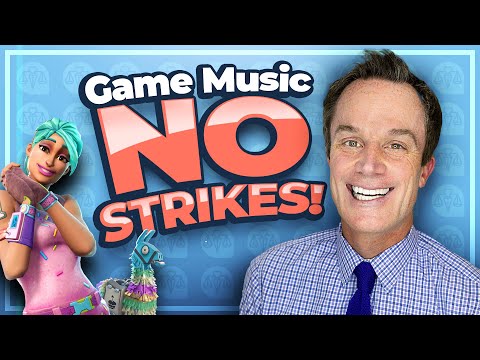
The short, direct answer is: it’s complicated, and often, the answer is no, you cannot use video game music as background music on YouTube without permission. Video game music, like all other forms of music, is protected by copyright law. This means that unless you have the explicit permission of the copyright holder(s), using it in your YouTube videos, even as background music, can lead to copyright claims, strikes, or even legal action. Simply put, playing your favorite game’s soundtrack behind your video, even if you’re not profiting from it, is typically a copyright infringement. Let’s delve into the complexities of this issue to fully understand what is and isn’t permissible.
Understanding Copyright and Video Game Music
What is Copyright?
Copyright is a legal right granted to the creators of original works, including music, to control how those works are used. It protects the expression of an idea, not the idea itself. In the case of music, this typically means the composer, songwriter, and music publisher hold the copyright. When you create a YouTube video, you’re creating a derivative work, and using copyrighted material requires permission or falls under fair use.
Why is Video Game Music Copyrighted?
Video game music is composed and created by musicians just like any other form of music. Whether it’s an orchestral score or chiptune melodies, these compositions are protected by copyright. The creators of these tracks have the right to decide how their music is used, whether it’s in a live performance, a commercial release, or even a YouTube video. They often seek a profit from their work.
The Two Copyrights in a Song
It’s important to understand that each song typically has two copyrights:
* Master Use Copyright: This covers the specific recording of the song. Usually owned by the record label.
* Sync License: This covers the composition and lyrics of the song. Usually owned by the music publisher and/or the songwriter.
To legally use a famous song in your video game or YouTube video, you need both of these licenses.
Navigating the Legalities on YouTube
The Risk of Using Copyrighted Music
YouTube’s content ID system is highly sophisticated. It can automatically detect copyrighted music within your videos. When detected, you may encounter:
* Copyright Claims: The copyright holder may claim the revenue generated from your video, meaning they would be paid from the ads on your videos instead of you.
* Content Blocking: Your video could be blocked in certain countries or even globally, which defeats the purpose of uploading the video.
* Copyright Strikes: Accumulating three copyright strikes can lead to the termination of your YouTube channel.
Fair Use: A Limited Exception
Fair use is a legal doctrine that allows limited use of copyrighted material without permission for certain purposes, such as criticism, commentary, news reporting, teaching, scholarship, and research. However, fair use is not a blanket exception and the use must be transformative in nature, meaning it adds significant new meaning, and is not a simple re-use of the material.
Using video game music simply as background music in your video generally does not qualify as fair use. To qualify, the use needs to add commentary or be clearly transformative of the original work.
Licensed Music vs. Royalty-Free Music
*  **Licensed Music:** This is music where you obtain explicit permission from the copyright holder to use it, often by paying a fee. It's usually the best option for using copyrighted music, but it is often the most expensive.
*  **Royalty-Free Music:** This music is available for use after a one-time payment or subscription. It's crucial to note that "royalty-free" doesn't mean "copyright-free;" it simply means you don’t pay royalties each time the music is played. Services like Epidemic Sound or Artlist offer this type of music.
The Impact of Giving Credit
Unfortunately, giving credit to the copyright owner or using phrases like “all rights go to the author” does not excuse copyright infringement. Credit is a nice courtesy, but does not substitute for obtaining proper permission.
Strategies to Avoid Copyright Issues
*   **Use Royalty-Free Music:** Opt for royalty-free music from legitimate sources. These offer a large library of tracks you can use without risking copyright claims.
*  **Create Your Own Music:** If you're musically inclined, consider composing your own background music.
*   **Request Permission:** Contact the copyright holders directly and seek permission to use their music. You might be surprised at how often they're open to granting licenses for reasonable fees.
*   **Mute or Replace the Music:** If you're recording gameplay that has copyrighted music, either mute the music during recording or replace it during editing.
*  **Understand Game Developer Policies:** Some game developers have policies that allow the use of their in-game music under certain circumstances, so always check the policies on the game's website.
Frequently Asked Questions (FAQs)
1. Is all video game music copyrighted?
Yes, virtually all video game music is copyrighted. This includes soundtracks from mainstream and indie games.
2. Can I use a short snippet of a copyrighted song?
No, using even a few seconds of copyrighted music without permission can lead to copyright claims. There is no “5-second rule” for copyright.
3. What’s the difference between copyright claims and copyright strikes?
A copyright claim is a notice that you’ve used copyrighted material. The copyright holder may choose to monetize your video or block it. A copyright strike is more serious, and you can receive them if you have infringed on copyright. Accumulating three copyright strikes leads to channel termination.
4. Does “fair use” apply to video game background music?
Generally, no. Using music simply as background music usually doesn’t qualify for “fair use.”
5. Can I use music from Nintendo or Sega games in my videos?
Typically, no. These companies usually hold copyrights to their music and you would need their permission to include it.
6. What’s the best way to find royalty-free music?
Look for reputable online music libraries like Epidemic Sound, Artlist, and others that offer royalty-free music licenses.
7. Is it okay if I give credit to the original artist?
Giving credit doesn’t excuse copyright infringement. You still need permission to use copyrighted music.
8. What if the music is very obscure?
Even if the music is obscure, it is likely still copyrighted unless it is in the public domain. This makes using it without permission a risk.
9. Can I use music from a game if I own the game?
Owning the game does not give you the right to use the music in your videos.
10. How can I legally use copyrighted music?
You need to obtain a license or permission from the copyright holder(s). This often involves contacting the music publisher or composer.
11. What’s the easiest way to avoid copyright issues?
Using royalty-free music is the safest and easiest option.
12. What if I just want to play music while I game and record the gameplay?
While some systems allow for playing music in the background, recording and uploading that gameplay is not recommended due to copyright concerns. It’s best to mute the game music and add music after the recording, that you have a license to use.
13. What are performing rights organizations (PROs)?
Organizations like ASCAP and BMI represent songwriters and composers. They collect royalties when their members’ music is publicly performed. Using music without a license may result in infringement and potential legal action.
14. Do game developers have special rules for using music?
Some game developers might have policies that allow certain uses of their in-game music, however, these cases are rare. Always check the specific policies on the game developer’s website.
15. What if my video gets a copyright claim?
If your video gets a copyright claim, you can either dispute it (if you think it’s incorrect), agree to the claim (and share revenue with the copyright holder, or mute the music).
Conclusion
Using video game music as background music on YouTube without proper permission is a risky undertaking. While it might be tempting, the potential legal ramifications far outweigh any benefits. Your best course of action is to obtain the correct licenses, use royalty-free music, or create your own tracks. Protecting yourself and the rights of creators will ensure you maintain a clean and professional presence on YouTube. Remember, being informed about copyright law is essential for all content creators.