Can Lava Spread Fire Through Blocks in Minecraft? Understanding Minecraft Fire Mechanics
Fast answer first. Then use the tabs or video for more detail.
- Watch the video explanation below for a faster overview.
- Game mechanics may change with updates or patches.
- Use this block to get the short answer without scrolling the whole page.
- Read the FAQ section if the article has one.
- Use the table of contents to jump straight to the detailed section you need.
- Watch the video first, then skim the article for specifics.
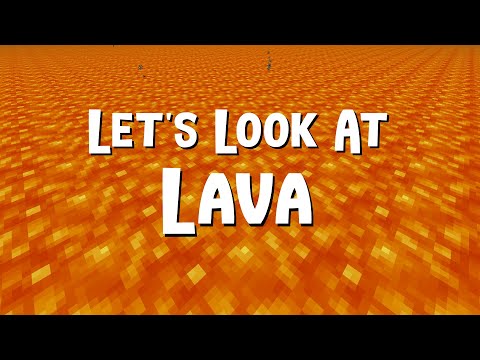
Yes, lava can indirectly spread fire through blocks in Minecraft, but not in the way you might initially think. Lava itself doesn’t ignite blocks directly through solid matter. However, lava can ignite flammable blocks (like wood, wool, leaves, and TNT) that are directly exposed to it. More importantly, lava can set surrounding air on fire, and that fire can then spread to adjacent flammable blocks, even if the lava itself isn’t touching them. Understanding the nuances of Minecraft’s fire mechanics is crucial for both base building and preventing catastrophic accidents!
Understanding the Fundamentals of Fire Spread in Minecraft
Minecraft’s fire system, while simplified, follows a set of rules that dictate how fire spawns, spreads, and eventually extinguishes. To fully grasp the interaction between lava and fire, we need to delve into the core elements:
- Flammability: Not all blocks burn. Minecraft assigns a flammability value to each block. Highly flammable blocks like wood catch fire easily, while non-flammable blocks like stone are impervious to fire.
- Fire Source: Fire needs a source to start. Lava is a primary source, alongside other sources like flint and steel, lightning, and even burning entities.
- Air Gaps: Fire can’t spread through solid blocks. It needs an air gap to jump to a new flammable block. This is why a layer of stone can effectively contain a fire.
- Randomness: Minecraft’s fire propagation isn’t entirely deterministic. There’s a degree of randomness involved, meaning a fire might spread in one direction on one occasion and a different direction on another.
- Burn Time: Fires don’t burn forever. Each block has a limited burn time, after which the fire will extinguish unless it spreads to another flammable block or is reignited.
These fundamentals dictate the extent to which lava can indirectly cause surrounding blocks to catch fire.
How Lava Indirectly Ignites Blocks
The key to lava’s indirect fire-spreading ability lies in its capacity to ignite air blocks. When lava is placed near a flammable block, it creates fire sources in the adjacent air blocks. These newly created fire blocks then have a chance to spread to the flammable block. Therefore, while lava doesn’t ‘pass through’ blocks, the fire it spawns can reach adjacent blocks.
Consider this scenario:
Imagine a wooden house with a lava pit nearby. Even if the lava pit isn’t directly touching the wooden walls, the fire generated around the lava can easily spread to the wood if there are air gaps between the lava and the wall. This indirect ignition is what causes many unexpected (and often devastating) fires in Minecraft.
Preventing Lava-Related Fires
Knowing how lava spreads fire is essential for fire prevention. Here are some proactive measures you can take:
- Maintain a Safe Distance: Keep flammable structures at least a few blocks away from any lava source.
- Use Non-Flammable Materials: Build with materials like stone, cobblestone, brick, or nether brick around lava sources.
- Seal Off Air Gaps: Fill any air gaps between lava and flammable blocks with non-flammable materials. Even a single layer can make a huge difference.
- Water Buckets are Your Friend: Always keep a water bucket handy to quickly extinguish any fires that do break out.
- Netherite as Ultimate Protection: Netherite blocks are completely fireproof, making them the ultimate building material for fire-resistant structures.
By implementing these strategies, you can mitigate the risk of lava-related fires and safeguard your creations.
Understanding the Impact of Game Mechanics
Minecraft’s fire spread mechanics are interconnected with other aspects of the game. For example, certain enchantments like Fire Protection can reduce the damage players take from fire, but they don’t stop the spread of fire itself. Similarly, the game rules affecting fire spread can be modified in commands or server settings, altering the behavior of fire in unique ways. Modders often adjust these parameters to create varying degrees of danger.
Fire Safety and Education: The Role of Games
Games like Minecraft provide a safe and engaging environment to learn about real-world concepts, including fire safety. By understanding how fire behaves in the game, players can develop a better awareness of fire hazards and preventive measures. The Games Learning Society (GamesLearningSociety.org) explores the educational potential of games, and Minecraft, with its complex mechanics and creative possibilities, is a prime example of how games can be powerful learning tools.
Frequently Asked Questions (FAQs)
1. Can lava flow uphill in Minecraft?
No, lava cannot naturally flow uphill. It will always flow downwards or level out.
2. Can lava destroy chests?
Yes, lava can destroy chests and any items inside them. Keep chests away from lava sources.
3. Does lava burn forever?
Lava itself doesn’t burn out, but fires caused by lava will eventually extinguish if they don’t spread.
4. Can lava be contained in a wooden container?
No, lava will quickly burn through a wooden container.
5. What is the best way to dispose of lava?
The most efficient way to dispose of lava is to pour water on it, turning it into obsidian.
6. Does lava spread farther in the Nether?
No, lava behaves the same way in the Nether as it does in the Overworld.
7. Can fire spread through glass?
No, fire cannot spread through glass or any other non-flammable solid block.
8. What is the range of lava’s light emission?
Lava emits a light level of 15, the highest possible light level in Minecraft.
9. Does lava burn entities (mobs and players)?
Yes, lava deals significant damage to entities that come into contact with it.
10. Can fire spread to leaves indefinitely?
While fire can spread to leaves, it will eventually burn out if it doesn’t find another flammable block nearby. Trees can be completely destroyed by fire, though!
11. Can fire spread to wool?
Yes, wool is highly flammable and will readily catch fire.
12. How can I create a lava trap?
A simple lava trap can be created by placing lava at the bottom of a pit or corridor, making it difficult for unsuspecting players or mobs to pass through.
13. Can rain extinguish lava fires?
Rain can help extinguish fires started by lava, but it won’t affect the lava itself.
14. Can lava ignite TNT?
Yes, lava can ignite TNT, causing an explosion.
15. What are the best blocks to use around lava in a base?
Nether brick, cobblestone, and stone are all excellent choices for building around lava, as they are non-flammable. Netherite is the best, but is very expensive.
Conclusion: Mastering Fire and Lava in Minecraft
Understanding the intricacies of how lava spreads fire is crucial for every Minecraft player, whether you’re a seasoned builder or a newcomer. By taking preventive measures and understanding the mechanics, you can protect your creations and ensure a safer, more enjoyable Minecraft experience. Always remember to respect the power of lava and fire – a little knowledge can go a long way in preventing disastrous consequences. With this knowledge and safety awareness, you’re equipped to face the fiery challenges and build your world securely.