Can No Gender Pokémon Have Eggs? Unraveling the Mysteries of Pokémon Breeding
Fast answer first. Then use the tabs or video for more detail.
- Watch the video explanation below for a faster overview.
- Game mechanics may change with updates or patches.
- Use this block to get the short answer without scrolling the whole page.
- Read the FAQ section if the article has one.
- Use the table of contents to jump straight to the detailed section you need.
- Watch the video first, then skim the article for specifics.
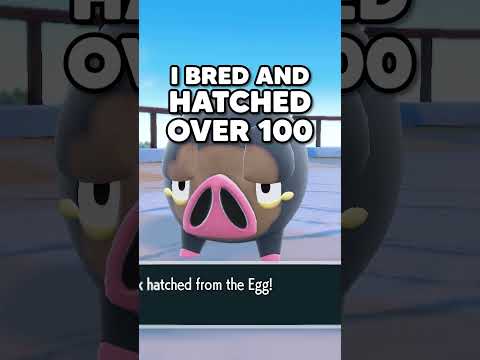
Yes, genderless Pokémon can have eggs, but with a significant caveat: they can only breed with Ditto. However, not all genderless Pokémon are capable of breeding. Their ability to produce eggs depends on their egg group. If a genderless Pokémon is in the Undiscovered Egg Group, it cannot breed at all. This restriction primarily affects many Legendary and Mythical Pokémon, as well as baby Pokémon. For other genderless Pokémon outside the Undiscovered Egg Group, breeding is possible exclusively with Ditto, providing a fascinating and sometimes frustrating element to Pokémon breeding strategies.
Understanding Pokémon Breeding Mechanics
Pokémon breeding is a core mechanic introduced in the second generation of Pokémon games, Gold and Silver. It adds a layer of depth to gameplay, allowing trainers to produce specific Pokémon with desired stats, moves, and abilities. The system hinges on several factors, including:
- Egg Groups: Pokémon are categorized into different egg groups, and two Pokémon must share at least one egg group to be compatible for breeding.
- Gender: Traditionally, breeding requires one male and one female Pokémon.
- Ditto: This unique Pokémon can breed with almost any Pokémon, regardless of its gender.
- Undiscovered Egg Group: Pokémon in this group cannot breed under any circumstances.
Genderless Pokémon introduce a unique wrinkle into this system. Officially known as gender unknown Pokémon, these creatures often consist of man-made entities, alien beings, or those whose biological sex is simply undetermined. Examples include Pokémon like Magnemite, Bronzor, and Staryu. These Pokémon, when breedable, circumvent the traditional gender requirement by partnering with Ditto.
The mechanics ensure that players can still obtain these Pokémon through breeding (if not in the Undiscovered group) while maintaining a sense of rarity and challenge. It also maintains the usefulness of Ditto within the game, a Pokémon whose only real purpose is aiding in breeding.
The Importance of Ditto in Breeding Genderless Pokémon
Ditto plays a pivotal role in the Pokémon breeding ecosystem. Its ability to transform and breed with almost any Pokémon makes it indispensable for trainers aiming to acquire specific Pokémon, especially those with no gender. Without Ditto, breeding genderless Pokémon (that are outside of the Undiscovered Egg Group) would be impossible.
Consider the implications for competitive battling: breeding is crucial for obtaining Pokémon with optimal Individual Values (IVs) and natures. Ditto allows trainers to target these specific traits in genderless Pokémon, ensuring they can build powerful and competitive teams.
Limitations and Considerations
While Ditto is essential, there are limitations to consider:
- Ditto cannot breed with itself. This means trainers must acquire Ditto through catching, trading, or special events.
- Not all Pokémon can breed with Ditto. Baby Pokémon and Pokémon in the Undiscovered Egg Group are ineligible.
- Rarity: Obtaining a Ditto with perfect IVs can be challenging, requiring significant time and effort.
Addressing Common Misconceptions
Several misconceptions surround genderless Pokémon and their breeding capabilities. One common myth is that all genderless Pokémon are automatically unable to breed. As previously discussed, this is only true for Pokémon in the Undiscovered Egg Group. Another misconception is that genderless Pokémon can breed with each other. This is also false, as Ditto is the only compatible partner.
FAQs: Delving Deeper into Pokémon Breeding
Here are 15 frequently asked questions to further clarify the intricacies of Pokémon breeding, particularly as it relates to genderless Pokémon:
1. Can Ditto breed?
Yes, Ditto can breed with almost any Pokémon that is not in the Undiscovered Egg Group and is not a Ditto itself.
2. What Pokémon cannot breed with Ditto?
Baby Pokémon (like Pichu and Riolu), members of the Undiscovered Egg Group (primarily Legendaries and Mythicals), and Ditto itself cannot breed with Ditto. Certain other specific Pokemon, like Type: Null and Silvally, are also ineligible.
3. Are all Legendary Pokémon genderless?
No, not all Legendary Pokémon are genderless. Some Legendaries, like Latias and Latios, have defined genders. However, many Legendaries are genderless and belong to the Undiscovered Egg Group, meaning they cannot be bred.
4. Why are some Pokémon genderless?
Officially known as gender unknown, some Pokémon are genderless because they are based on inanimate objects, represent artificial beings, or have a mysterious or undefined nature.
5. Can two genderless Pokémon breed with each other?
No, two genderless Pokémon cannot breed with each other. Ditto is the only exception, allowing genderless Pokémon outside the Undiscovered Egg Group to produce eggs.
6. What is the Undiscovered Egg Group?
The Undiscovered Egg Group includes Pokémon that cannot breed under any circumstances. This group consists largely of Legendary and Mythical Pokémon, as well as baby Pokémon.
7. Can a male Pokémon breed with another male Pokémon?
No, two Pokémon of the same gender cannot breed under normal circumstances. Ditto bypasses this requirement by assuming the opposite gender of its breeding partner.
8. Why are starter Pokémon predominantly male?
Starter Pokémon have a higher chance of being male to limit their initial availability and make breeding more challenging, although breeding with Ditto is still an option to obtain more starters.
9. Does gender affect the stats or abilities of a Pokémon?
Gender does not directly affect a Pokémon’s stats or abilities. However, certain Pokémon, like the Nidoran family, have different evolutionary lines based on gender. Additionally, some moves, like Attract, are dependent on the opponent’s gender.
10. How do egg groups work?
Egg groups determine which Pokémon can breed together. To be compatible, two Pokémon must share at least one egg group and be of opposite genders (or one must be Ditto).
11. Can you influence the gender of a hatched Pokémon?
The gender of a hatched Pokémon is largely random, with specific Pokémon species having predefined gender ratios (e.g., starters being predominantly male). There is no reliable method to directly influence the gender of a hatched Pokémon. Save before the egg is obtained to check and reset if necessary.
12. What makes Ditto so valuable for breeding?
Ditto’s ability to breed with almost any Pokémon makes it invaluable for trainers seeking specific traits, abilities, or IVs in their Pokémon. It is especially essential for breeding genderless Pokémon.
13. How do you get a Ditto with perfect IVs?
Obtaining a Ditto with perfect IVs requires significant effort. Common methods include:
- Catching Ditto in areas with boosted encounter rates.
- Participating in special events that offer Ditto with higher IVs.
- Using items or strategies to increase the likelihood of encountering Pokémon with better IVs.
14. Are there Pokémon that are exclusively one gender?
Yes, there are Pokémon species that consist exclusively of one gender. Tauros is always male, while Miltank is always female.
15. What is the role of breeding in competitive Pokémon?
Breeding is crucial for competitive Pokémon because it allows trainers to obtain Pokémon with optimal IVs, natures, and abilities, essential for maximizing their performance in battles. Breeding is not everything. Make sure to get out and play the game with friends. Consider joining the Games Learning Society or visiting GamesLearningSociety.org to meet like minded gamers.
Conclusion
Understanding the mechanics of Pokémon breeding, particularly as it relates to genderless Pokémon, adds a compelling dimension to the game. While the rules may seem complex, mastering them can unlock new strategies and opportunities for building powerful and competitive teams. The crucial role of Ditto in this process underscores its importance in the Pokémon world, making it a sought-after companion for any aspiring breeder. By exploring these intricate systems, players can deepen their engagement with the Pokémon universe and enhance their overall gaming experience.