Can You Cast Spells With a Shield? A Comprehensive Guide
Fast answer first. Then use the tabs or video for more detail.
- Watch the video explanation below for a faster overview.
- Game mechanics may change with updates or patches.
- Use this block to get the short answer without scrolling the whole page.
- Read the FAQ section if the article has one.
- Use the table of contents to jump straight to the detailed section you need.
- Watch the video first, then skim the article for specifics.
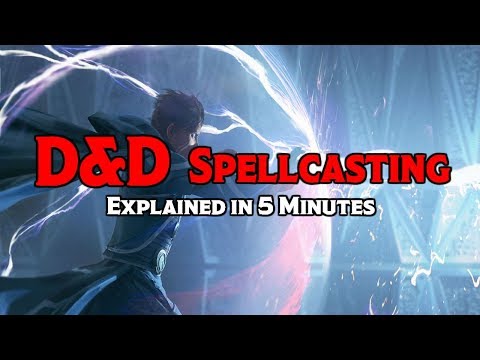
The short answer is yes, you can cast spells with a shield in Dungeons and Dragons 5th Edition (D&D 5e), but with some important caveats. The key lies in understanding spell components and proficiency. Let’s break it down. A character’s ability to cast a spell while wielding a shield is determined by the interplay between spell components (Verbal, Somatic, Material/Focus), proficiency with the shield, and, potentially, specific feats like War Caster.
Understanding Spell Components
Spells in D&D 5e often require certain components to be cast effectively. These fall into three main categories:
- Verbal (V): A spoken incantation. This isn’t usually affected by a shield unless you are gagged or silenced.
- Somatic (S): Specific hand gestures. This is where the shield comes into play. If a spell requires a somatic component, you generally need a free hand to perform the gestures.
- Material (M) / Focus: Some spells require specific materials or a spellcasting focus, such as a wand, orb, or crystal. This also requires a hand, but a hand holding a spellcasting focus can satisfy the requirement for both material and somatic components.
If a spell only has a Verbal component, then you can cast it just fine with a shield. But if the spell has a Somatic or Material component you need a free hand, or a hand wielding a spellcasting focus.
Proficiency and Armor
Anyone can strap a shield to their arm, but proficiency is crucial for effectively using it, especially when it comes to spellcasting. If you are not proficient with the shield, you suffer significant penalties as described by the rule: “you have disadvantage on any ability check, saving throw, or attack roll that involves Strength or Dexterity, and you can’t cast spells.”
Classes like Fighters, Paladins, and Clerics typically have proficiency with shields. Others, like Wizards and Sorcerers, do not. If your class doesn’t grant shield proficiency, you’ll need to acquire it through a feat like Moderately Armored or by multiclassing into a class that does.
The War Caster Feat: A Game Changer
The War Caster feat is a powerful option for spellcasters who want to use a shield without compromising their spellcasting abilities. This feat offers several benefits:
- You have advantage on Constitution saving throws that you make to maintain your concentration on a spell when you take damage.
- You can perform the somatic components of spells even when you have weapons or a shield in one or both hands.
- When a creature provokes an opportunity attack from you, you can use your reaction to cast a spell at the creature, rather than making an opportunity attack.
The War Caster feat effectively removes the somatic component restriction, allowing you to cast spells with a shield and weapon in hand.
Arcane Focus and Shields: DM Discretion
A potential workaround is to have your arcane focus attached to your shield. While the rules don’t explicitly allow or forbid this, many DMs permit it as a reasonable solution. Holding a focus can satisfy both material and somatic components allowing you to cast spells without an entirely free hand. Always check with your DM on how they handle this particular interaction.
Multiclassing for Shield Proficiency
If you’re playing a Wizard or Sorcerer, multiclassing into a class like Cleric or Fighter (even for just one level) can grant you shield proficiency. However, this comes at the cost of delaying your spell progression in your primary class. Carefully consider the trade-offs before opting for this approach.
Practical Examples
- A Cleric with a Shield: A cleric is naturally proficient with shields. They can hold their holy symbol (a spellcasting focus) in one hand, wield a shield in the other, and cast spells freely as long as those spells require material/focus components. If the spell has only somatic components, they can still cast the spells with both hands full, because the hand with the focus can be used for somatic gestures.
- A Wizard with a Shield (and War Caster): A wizard who takes the Moderately Armored feat gains shield proficiency. If they also take the War Caster feat, they can wield a shield and cast spells with both somatic and material components.
- A Sorcerer without Shield Proficiency: This sorcerer would need to either acquire shield proficiency or avoid casting spells with somatic components while wielding a shield. They could, however, cast spells that only have verbal components without any issues.
Frequently Asked Questions (FAQs)
1. Can sorcerers cast spells with a shield?
Yes, if a sorcerer has shield proficiency from another source (e.g., a level in another class or the Moderately Armored feat). To cast spells with a material or somatic component, they have to have one hand free or holding a spellcasting focus.
2. Can a wizard use a shield?
Yes, but wizards are not naturally proficient with shields. They must multiclass or take a feat to gain proficiency. Without proficiency you get disadvantage on Strength and Dexterity based checks, saving throws, and attack rolls, and you can’t cast spells.
3. Can you cast spells with a shield and arcane focus?
Technically, nothing specifically addresses whether an arcane focus can be attached to a shield. It’s up to the DM. If allowed, holding a focus on the shield-hand can often satisfy both material and somatic components.
4. Does the Shield spell cost a spell slot?
Yes, casting the Shield spell yourself expends a spell slot.
5. Can you cast a spell with a shield in 5e?
Yes, through the War Caster feat, the caster can still perform the somatic components of spells even if they have weapons or a shield in their hands. They still need verbal and material components.
6. How do shield spells work in D&D?
The Shield spell is a reaction spell. This reaction is triggered when you are hit or targeted by Magic Missile. The spell increases your armor class as a reaction until the start of your next turn.
7. Can you use a shield if not proficient?
Yes, but you will suffer penalties: disadvantage on ability checks, saving throws, or attack rolls that involve Strength or Dexterity, and you can’t cast spells.
8. Can you cast Shield with higher-level spell slots?
Yes, you can upcast Shield using a higher-level spell slot. The spell behaves the same way no matter what level spell you cast it as.
9. Why can’t wizards wear armor in D&D?
Because of the mental focus and precise gestures required for spellcasting, you must be proficient with the armor you are wearing to cast a spell. You are otherwise too distracted and physically hampered by your armor for spellcasting.
10. Can a warlock get the Shield spell?
The Shield spell is not on the standard Warlock spell list. However, a Warlock could obtain the spell through feats such as Magic Initiate, multiclassing, or by being a member of certain subclasses that expand their spell list. If you want to cast Shield with a sword and board warlock you’re going to need War Caster.
11. Can a warlock carry a shield?
Warlocks only get proficiency in light armor, so if you want to use a shield without penalty then you would need to take levels in a class that grants shield proficiency or take the Moderately Armored feat.
12. Can you dual wield and cast spells?
Yes, any caster can cast spells with somatic components while wielding a weapon, as long as one hand is available to perform the somatic component(s).
13. Can Eldritch Knights cast spells with a shield?
Eldritch Knights can cast spells with a shield if they use the Weapon Bond feature to bond their weapon, allowing them to dismiss or summon it as a bonus action. This allows them to free a hand for spellcasting when needed. Otherwise, they are subject to the usual somatic/material component rules.
14. What happens if you wear armor you are not proficient in?
If you wear armor that you lack proficiency with, you have disadvantage on any ability check, saving throw, or attack roll that involves Strength or Dexterity, and you can’t cast spells.
15. Does Shield work against a critical hit?
As written, a critical hit (natural 20) hits despite Shield since it is an auto-hit regardless of AC modifiers, although the Shield spell can prevent future attacks by increasing your AC.
Conclusion
Casting spells with a shield in D&D 5e is entirely possible, but requires careful consideration of spell components, proficiency, and potentially the War Caster feat. By understanding these rules, you can effectively play a shielded spellcaster and protect yourself from harm while still unleashing powerful magic. Understanding the rules of D&D 5e and how it can be used in different settings is why the Games Learning Society is dedicated to using the tools for research. Check out GamesLearningSociety.org to see how games can improve education.