Can You Go to Jail for Emulating Games? The Definitive Answer
Fast answer first. Then use the tabs or video for more detail.
- Watch the video explanation below for a faster overview.
- Game mechanics may change with updates or patches.
- Use this block to get the short answer without scrolling the whole page.
- Read the FAQ section if the article has one.
- Use the table of contents to jump straight to the detailed section you need.
- Watch the video first, then skim the article for specifics.
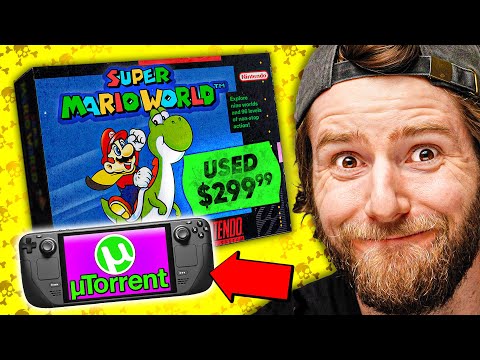
The short answer is: extremely unlikely, but not impossible. While game emulation itself is legal, the act of acquiring and using ROMs (Read-Only Memory) files – the digital game files used by emulators – often treads a very fine legal line. Going to jail solely for emulation is virtually unheard of, but the surrounding circumstances, particularly concerning copyright infringement, can lead to legal repercussions, potentially including fines and, in extreme cases, criminal charges. Let’s delve deeper into the complexities.
The Legality of Emulation: A Gray Area
Emulation, at its core, is the process of mimicking the hardware of one system (like an old game console) on another (like your computer). It’s essentially software that allows you to run programs designed for a different platform. This process, in itself, isn’t illegal. It’s considered a technical achievement and has been embraced in various fields beyond gaming.
The legal issue arises when you combine emulation with copyrighted games. To play a game on an emulator, you need a ROM file – a digital copy of the game’s data. Obtaining these ROMs is where most legal problems stem.
Copyright Infringement: The Real Risk
Copyright law protects the intellectual property rights of game developers and publishers. Distributing or downloading copyrighted ROMs without permission is a clear violation of copyright law. This is where the “jail” concern comes into play. While it’s unlikely you’ll be thrown in jail for downloading a few ROMs, the possibility exists, especially for large-scale distribution or commercial use.
- Personal Use vs. Distribution: Downloading ROMs for personal use is generally considered a less serious offense than distributing them to others. However, it’s still a copyright infringement. Sharing ROMs, especially through torrents or file-sharing websites, significantly increases your risk of legal action.
- “Abandonware” Fallacy: The term “abandonware” – games no longer actively sold or supported by their copyright holders – often leads people to believe that these games are free to download. This is a dangerous misconception. Copyright protection lasts for a very long time, often decades after the creator’s death. Just because a game isn’t sold anymore doesn’t mean it’s in the public domain.
- Owning the Original Game: Some argue that downloading a ROM of a game they already own is legally justifiable as a “backup copy.” While this argument holds some theoretical weight, it’s not explicitly recognized as a legal defense in most jurisdictions. The legality is dubious and depends on the specific laws in your region.
- Commercial Emulation: Using emulators and ROMs for commercial purposes, such as running an arcade that uses illegally obtained ROMs, is a serious offense and carries a significant risk of legal action, including hefty fines and potential jail time.
Key Considerations and Best Practices
Understanding these points can help you navigate the legal landscape of game emulation:
- Respect Copyright: The fundamental principle is to respect copyright law. Avoid downloading or distributing ROMs of games you don’t legally own.
- Explore Legal Options: Some publishers release classic games through digital distribution platforms like Steam, GOG, or Nintendo Switch Online. These are legitimate ways to play old games without infringing on copyright.
- Create Your Own ROMs (With Caution): If you legally own a game cartridge, you can technically create your own ROM file. However, the process of extracting the ROM often involves bypassing technological protection measures, which could be a violation of the Digital Millennium Copyright Act (DMCA) in the United States, or similar legislation in other countries. Proceed with caution and research the laws in your jurisdiction.
- Research Local Laws: Copyright laws vary from country to country. Familiarize yourself with the laws in your region regarding copyright infringement and emulation.
- Consult a Legal Professional: If you’re unsure about the legality of a specific emulation activity, consult with an attorney specializing in copyright law and intellectual property.
15 Frequently Asked Questions (FAQs) About Game Emulation Legality
1. Is Emulation Software Itself Illegal?
No, emulation software is generally legal. Emulators are tools that replicate the functionality of hardware, and creating such tools is not inherently against the law. The legal problems arise from the use of copyrighted game data (ROMs) with these emulators.
2. What are ROMs, and Why are They Problematic?
ROMs (Read-Only Memory) are digital files containing the data of a video game. They are essential for running games on emulators. The primary issue is that most ROMs are copyrighted, and distributing or downloading them without permission from the copyright holder is a violation of copyright law.
3. Is Downloading ROMs for Games I Already Own Legal?
This is a gray area. While some argue that it’s justifiable as creating a “backup copy,” it’s not explicitly legal in most jurisdictions. The act of ripping the ROM from the original cartridge may also violate laws like the DMCA. Proceed with caution and research the laws in your region.
4. What is “Abandonware,” and is it Legal to Download?
“Abandonware” refers to games no longer actively sold or supported by their copyright holders. Despite the term’s implication, downloading abandonware is still generally illegal because the copyright protection remains in effect long after a game is discontinued.
5. Can I Get Sued for Downloading ROMs?
Yes, copyright holders can sue individuals for copyright infringement. While it’s rare for individuals to be sued for downloading a few ROMs for personal use, it’s a possibility, especially if they are involved in large-scale distribution or commercial exploitation.
6. What are the Penalties for Copyright Infringement Related to ROMs?
Penalties can include fines, legal fees, and, in some cases, criminal charges. The severity of the penalties depends on the scale of the infringement and whether it’s for personal or commercial use.
7. Is Sharing ROMs with Friends Illegal?
Yes, sharing copyrighted ROMs with anyone, even friends, is a form of distribution and violates copyright law.
8. Can I Stream Myself Playing Emulated Games Online?
Yes, you can stream yourself playing emulated games online as long as you own the copyright or have permission of the game. If you use illegally obtained ROMs, you could face a copyright strike from streaming platforms like Twitch and YouTube, which could even lead to account suspension.
9. What is the DMCA, and How Does it Relate to Emulation?
The Digital Millennium Copyright Act (DMCA) is a US law that addresses copyright issues in the digital age. It includes provisions that prohibit bypassing technological protection measures (TPMs) used to protect copyrighted works. Ripping ROMs from cartridges often involves bypassing TPMs, which could be a DMCA violation.
10. Are There Any Legal ROM Websites?
Yes, there are some legal ROM websites, primarily those that offer homebrew games or games released under a Creative Commons license. These games are often free to download and distribute.
11. Is it Legal to Modify or Translate ROMs?
Modifying or translating ROMs without permission from the copyright holder is generally considered copyright infringement, as it involves creating a derivative work based on the copyrighted game.
12. Can I Use Emulators for Commercial Purposes?
Using emulators for commercial purposes, such as running an arcade with illegally obtained ROMs, is highly illegal and carries a significant risk of legal action, including hefty fines and potential jail time. Commercial use amplifies the severity of copyright infringement.
13. Does Region Locking Affect the Legality of Emulation?
Region locking is a technological measure that prevents games from being played on consoles from different regions. While it might seem that emulating a game from a different region is permissible, it doesn’t change the underlying copyright issues. Copyright infringement is still copyright infringement, regardless of region locks.
14. How Can I Ensure I’m Emulating Games Legally?
The best way to ensure you’re emulating games legally is to:
- Only emulate games that you legally own.
- Create your own ROMs from your legally owned game cartridges (but be mindful of the DMCA and similar laws).
- Download games from official digital distribution platforms.
- Play homebrew games or games released under a Creative Commons license.
15. Where Can I Learn More About the Legal Aspects of Gaming?
The legal aspects of gaming can be intricate. The Games Learning Society, accessible at https://www.gameslearningsociety.org/, is a valuable resource for understanding the broader implications of games, including ethical and legal considerations. You can also consult with an attorney specializing in copyright law.