Can You Have a Pet Slime Mold? The Fascinating World of Physarum polycephalum
Fast answer first. Then use the tabs or video for more detail.
- Watch the video explanation below for a faster overview.
- Game mechanics may change with updates or patches.
- Use this block to get the short answer without scrolling the whole page.
- Read the FAQ section if the article has one.
- Use the table of contents to jump straight to the detailed section you need.
- Watch the video first, then skim the article for specifics.
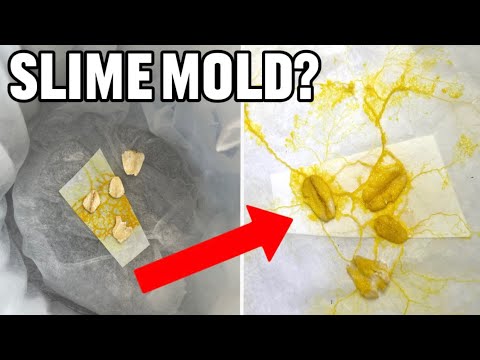
Yes, you absolutely can have a pet slime mold! While they might not cuddle up with you on the couch, slime molds, particularly Physarum polycephalum, are fascinating, low-maintenance “pets” that offer a unique glimpse into the bizarre and wonderful world of single-celled organisms. Forget fur and feathers; these intelligent blobs are the ultimate conversation starter, demonstrating surprisingly complex behaviors despite their lack of brains.
Why Choose a Slime Mold as a Pet?
Physarum polycephalum, often referred to as “the many-headed slime,” is an excellent choice for a pet for several reasons. First and foremost, they are incredibly easy to care for. They thrive in simple environments like a Petri dish or a margarine tub lined with a piece of kitchen towel. Their dietary needs are equally straightforward: oat flakes will keep them happily growing and exploring.
Unlike traditional pets, slime molds are silent and require no walks or vet visits. You won’t have to worry about allergies or shedding. Instead, you’ll have a front-row seat to the captivating world of their growth and movement, observing their problem-solving skills as they navigate mazes and adapt to their environment.
Setting Up Your Slime Mold Habitat
Getting started is easy. You will need:
- Physarum polycephalum culture (readily available online as a “Living Plate”)
- 100 mm diameter Petri dishes or a similar small container
- Oat flakes for food
- Kitchen towel for substrate
- Optional: Materials to make mazes or other environmental challenges
Simply place the towel in the container, moisten it slightly, and introduce your slime mold culture. Scatter some oat flakes as a food source. Your slime mold will begin exploring immediately, extending its network of veins to forage. Remember to keep the environment moist to prevent drying.
Observing Slime Mold Intelligence
Despite lacking a nervous system, slime molds exhibit surprising intelligence and adaptability. They can solve mazes, find the shortest path to a food source, and even anticipate environmental changes. For example, if exposed to a cold air blast at a specific time each day, the slime mold will learn to retract before the blast to protect itself. These complex behaviors, all occurring within a single cell, make them truly unique. You can experiment with their problem-solving skills by creating simple mazes or placing food sources at different locations.
Handling Your Slime Mold
It’s important to handle slime molds with care. While they are not known to be toxic to humans or animals, it’s best to use disposable gloves to prevent any possible irritation and to keep your culture sterile. When you’re done observing or experimenting, sterilize your working area and your culture with a disinfectant solution like bleach or ethanol to prevent unwanted mold or bacterial growth.
Frequently Asked Questions (FAQs) about Slime Molds
1. Is slime mold dangerous to humans?
No, generally, slime molds are not considered dangerous to humans. They are not known to cause illness, although their dusty spores can irritate people with allergies, asthma, or other respiratory conditions. It’s best to avoid prolonged inhalation of spores.
2. Is the “dog vomit” slime mold edible?
While there are reports of people in Mexico consuming dog vomit slime mold, it is generally not considered edible, and it’s not recommended to try it. It might cause gastrointestinal discomfort.
3. Where can I buy a Physarum polycephalum slime mold culture?
You can easily purchase a “Living Plate” culture of Physarum polycephalum from various online retailers specializing in scientific supplies.
4. Can I touch a slime mold?
While touching a slime mold is generally not harmful, it’s best to wear disposable gloves to prevent cross-contamination. Use a disinfectant on your work area and tools before and after handling the slime mold.
5. How big can slime molds grow?
Some species of slime molds can grow to be quite large. Physarum polycephalum can reach sizes of up to several inches in laboratory settings. Other species have been recorded to be over thirty square meters in size!
6. What kind of organism is a slime mold? Is it a plant, animal, or fungus?
Slime molds are neither plants, animals, nor fungi. They are soil-dwelling amoebae, a group of organisms called myxomycetes, falling into the protist kingdom. They are brainless, single-celled organisms that often contain multiple nuclei.
7. Can slime mold glow?
Some slime molds do emit a faint glow, although much weaker than other bioluminescent organisms. This is due to a chemical reaction that releases light.
8. Does slime mold get moldy?
Homemade slime, the kind made for kids, is prone to mold. In the case of Physarum polycephalum, bacterial and fungal contamination can occur. That’s why proper hygiene and sterilization techniques are essential. If your culture becomes discolored or smells bad, it’s best to discard and start a fresh one.
9. What does slime mold smell like?
Slime molds can have a distinctive odor that some might find unpleasant. This smell is believed to help deter insects from feeding on them.
10. How do I get rid of slime mold in my garden?
Slime molds in the garden are harmless and generally disappear quickly. However, if you want to remove them, you can use organic fungicides, baking soda, potassium bicarbonate, cornmeal, cornmeal tea, hydrogen peroxide, or commercial products like BioSafe Disease Control.
11. Is slime mold a parasite?
The Plasmodiophoreae group of slime molds are indeed parasitic. They are obligate parasites and intracellular in their hosts. However, Physarum polycephalum is not parasitic and lives on decaying matter.
12. Does slime mold have DNA?
Yes, slime molds have DNA. The molecular weight of the single-stranded DNA from Physarum polycephalum has been studied, showing variations in different stages of its life cycle.
13. Can slime mold see?
While they don’t have eyes, slime molds respond to light. They typically avoid light, especially blue and ultraviolet light, which is harmful to their DNA. They can differentiate between different colors of light.
14. How do slime molds reproduce?
Slime molds can reproduce asexually by binary fission, but other types of slime molds can also reproduce sexually. They do not show a vegetative mode of reproduction like plants.
15. What happens if I cut a slime mold in half?
Unlike complex multicellular organisms, slime molds can be cut into pieces. These pieces will fuse back together to form a single slime mold with vein-like tubes filled with cytoplasm connecting them. This remarkable capability contributes to their resilience.
Conclusion
Having a pet slime mold is a truly unique experience. These fascinating organisms offer a glimpse into a different kind of intelligence and life that is both captivating and educational. With their simple needs and surprisingly complex behaviors, Physarum polycephalum makes an ideal pet for those looking for something outside the norm. So, are you ready to embark on an adventure with your own “brainless” genius?