Can You Have Unlimited Cantrips in D&D 5e? Unlocking Arcane Potential
Fast answer first. Then use the tabs or video for more detail.
- Watch the video explanation below for a faster overview.
- Game mechanics may change with updates or patches.
- Use this block to get the short answer without scrolling the whole page.
- Read the FAQ section if the article has one.
- Use the table of contents to jump straight to the detailed section you need.
- Watch the video first, then skim the article for specifics.
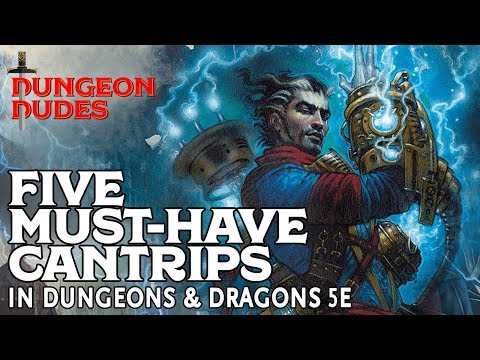
The short answer is no, not quite unlimited, but practically, the number of cantrips you can learn in D&D 5e can become remarkably high through multiclassing, feats, and other means. While no single class allows for a truly “unlimited” number of cantrips, clever character building can result in a character with a vast and versatile array of these potent, at-will spells. This article delves into the mechanics of cantrips, how to acquire them, and the strategies for maximizing your cantrip arsenal. Let’s explore the fascinating world of cantrips and learn how to unlock their full potential within your D&D campaigns.
Understanding Cantrips: The Foundation of Magic
What are Cantrips?
Cantrips are spells that can be cast at will, without expending spell slots. They are a fundamental aspect of spellcasting in D&D 5e, providing a reliable source of magical effects without draining resources. Unlike higher-level spells, cantrips do not need to be prepared in advance and can be cast repeatedly. They are often referred to as level 0 spells.
Why are Cantrips Important?
Cantrips are essential for several reasons:
- Reliable Damage: Many cantrips provide consistent damage output, especially for classes like Warlocks with Eldritch Blast.
- Versatile Utility: Cantrips offer a range of utility options, from creating minor illusions to mending broken objects.
- Resource Management: Since cantrips don’t use spell slots, they ensure you always have a magical option, even when your resources are depleted.
- Tactical Advantages: Cantrips can provide battlefield control, information gathering, and support abilities.
Maximizing Your Cantrip Collection
Class Features and Cantrip Acquisition
Different classes grant cantrips at varying levels and amounts. Wizards, Sorcerers, and Warlocks typically receive a larger number of cantrips compared to other classes. Some classes, like Paladins and Rangers, don’t receive any cantrips by default but can gain them through other means.
Multiclassing: A Cantrip Goldmine
Multiclassing is one of the most effective ways to accumulate a significant number of cantrips. By taking levels in multiple spellcasting classes, you can gain access to their respective cantrip lists. Each class provides cantrips based on their individual progression.
Feats: Additional Cantrip Options
Certain feats, such as Magic Initiate and Spell Sniper, grant access to additional cantrips. These feats can be especially valuable for classes that don’t normally have access to many cantrips or for expanding a spellcaster’s repertoire.
Racial Traits: Bonus Cantrips
Some races grant access to specific cantrips. For example, High Elves gain a free wizard cantrip of their choice. These racial traits can contribute to your overall cantrip collection.
Magical Items and Spells
While rare, certain magical items or spells like Wish might grant access to additional cantrips. These are less common methods but can provide unique opportunities to expand your cantrip selection.
Homebrew Rules: Expanding the Boundaries
Depending on the Dungeon Master, homebrew rules might allow for additional cantrip acquisition. This could involve special training, discoveries, or unique character development options.
The Cantrip Cap: Soft Limits and Practical Considerations
While there isn’t a hard limit coded into the 5e rules for how many cantrips you can know, there are soft limits and practical considerations. You are limited by:
- Available Classes: You need to have levels in various spellcasting classes to acquire their cantrips.
- Feat Availability: Feats are limited by your character level and ability score requirements.
- DM Discretion: Homebrew rules and magical item availability depend on the DM.
- Character Build Efficiency: Spreading yourself too thin across multiple classes might weaken your character’s overall effectiveness.
- Practical Usability: Even with a large number of cantrips, you’ll likely find yourself relying on a core set of favorites.
Can You Cast Multiple Cantrips per Turn?
The rules regarding casting multiple cantrips in a single turn are specific. You can’t cast two leveled spells on one turn without using Action Surge. However, you can cast a leveled spell and a cantrip. If you cast a spell as a bonus action, the only other spell you can cast that turn is a cantrip with a casting time of one action. So, using a bonus action spell like Misty Step would allow you to then cast a cantrip, such as Fire Bolt.
Frequently Asked Questions (FAQs) about Cantrips
1. What is the maximum amount of cantrips a single-classed character can learn?
The maximum number of cantrips a single-classed character can learn varies by class. Wizards typically learn the most, often reaching around six or seven by higher levels. Refer to each class’s progression table for specifics.
2. Can cantrips be used repeatedly?
Yes, cantrips can be cast at will, an unlimited number of times, unless the feature that grants the cantrip specifically states otherwise. There is no cooldown or resource cost associated with casting cantrips.
3. Can cantrips be cast as a reaction?
Some features, like the War Caster feat, might allow you to cast a spell as a reaction. If you have a cantrip that meets the requirements (e.g., targeting a creature that provokes an opportunity attack), you can cast it as a reaction.
4. Do cantrips scale with character level?
Yes, many cantrips scale with character level, increasing their damage or effectiveness at certain milestones (e.g., 5th, 11th, and 17th level). This ensures that cantrips remain relevant and useful throughout your character’s progression.
5. Can you use Metamagic on cantrips?
Yes, you can use Metamagic options on cantrips, assuming you are a Sorcerer or have access to Metamagic through a feat. This can enhance their effects, range, or casting time.
6. Are there any cantrips that don’t require a verbal component?
Yes, some cantrips do not require a verbal component, making them useful in situations where silence is necessary.
7. Do cantrips provoke attacks of opportunity?
Casting a cantrip provokes an attack of opportunity unless you have a feature like the War Caster feat that negates this.
8. Can a martial class learn cantrips without multiclassing?
Yes, martial classes can learn cantrips through feats like Magic Initiate or racial traits that grant cantrips.
9. What is the best cantrip for damage?
Eldritch Blast is widely considered one of the best cantrips for damage, especially for Warlocks, due to its multiple beams and potential for invocations that enhance its effects. Other strong damage cantrips include Fire Bolt and Ray of Frost.
10. How do I choose the right cantrips for my character?
Consider your character’s class, role in the party, and preferred playstyle. Choose cantrips that complement your strengths and provide utility or damage options that are lacking in your party composition.
11. Can I change my cantrips after I choose them?
Generally, no, there is no way to change cantrips in all classes. This is basically D&D5 rule. Once you chose cantrip and you never change it. There is a variant, UA rule that gives the option to swap one cantrip within the “swap 1 spell at level up” feature for all spellcasters, even for clerics.
12. Can I use a cantrip to deliver a touch spell?
Some features, like the Spell Sniper feat, can extend the range of touch spells, but cantrips cannot inherently be used to deliver touch spells unless specifically stated in the cantrip’s description or a related feature.
13. How long do cantrips last?
The duration of cantrips varies. If it’s not instantaneous, generally a cantrip lasts either one round, one minute, ten minutes, or one hour. The cantrip “Encode Thoughts” is the only one that lasts longer, with a duration of 8 hours.
14. Can cantrips be countered by Counterspell?
Yes, cantrips can be countered by the Counterspell spell, just like any other spell.
15. Can I use two-weapon fighting with cantrips?
No, two-weapon fighting only applies to melee weapon attacks. Cantrips that require attack rolls use the “Cast a Spell” action, not the “Attack” action.
Conclusion
While “unlimited cantrips” is a slight exaggeration, D&D 5e offers numerous ways to amass a substantial collection of these versatile spells. By strategically multiclassing, selecting appropriate feats, and leveraging racial traits, you can create a character with an impressive array of magical options. Cantrips are not just filler spells; they are a crucial part of any spellcaster’s toolkit, providing reliable damage, versatile utility, and endless possibilities. Remember to think creatively and take advantage of all the resources available to you to maximize your cantrip potential. Explore different character builds and consider the tactical advantages each cantrip offers. Understanding and utilizing cantrips effectively is key to mastering the arcane arts in D&D 5e. Expand your knowledge and share your insights with others through platforms like the Games Learning Society, where collaborative learning enhances the gaming experience. Visit GamesLearningSociety.org to learn more about integrating games with education and community engagement.