Can You Shoot a Medic in War? Understanding the Protections and Realities of Medical Personnel in Conflict
Fast answer first. Then use the tabs or video for more detail.
- Watch the video explanation below for a faster overview.
- Game mechanics may change with updates or patches.
- Use this block to get the short answer without scrolling the whole page.
- Read the FAQ section if the article has one.
- Use the table of contents to jump straight to the detailed section you need.
- Watch the video first, then skim the article for specifics.
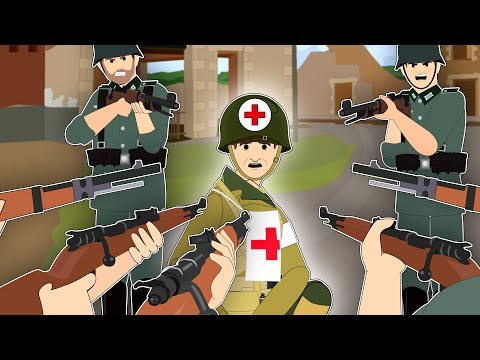
The straightforward answer to the question, “Can you shoot a medic in war?” is a resounding NO. International humanitarian law, most notably the Geneva Conventions, explicitly protects medical personnel. Intentionally targeting a medic who is clearly identifiable by medical insignia, such as a Red Cross or Red Crescent, and who is unarmed, is considered a war crime. This protection is based on the principle that medics are non-combatants whose primary mission is to provide essential medical care to the sick and wounded, regardless of which side they are on. However, the grim reality is that, despite these protections, medics have often been targeted throughout history.
The Legal Protections Afforded to Medics
The Geneva Conventions: Cornerstones of Protection
The Geneva Conventions, particularly the First and Second Geneva Conventions, lay the foundation for the protection of medical personnel in armed conflicts. These conventions stipulate that medical personnel must be respected and protected. They are not to be subjected to attack, capture, or any act of violence. This protection extends to:
- Medical personnel: Doctors, nurses, paramedics, combat medics, and other individuals solely engaged in medical duties.
- Medical units: Hospitals, field hospitals, ambulances, and other establishments dedicated to medical care.
- Medical transports: Vehicles such as ambulances, clearly marked with the appropriate emblem.
The conventions emphasize that medical personnel are to be considered neutral parties on the battlefield. Their role is purely humanitarian and is not aligned with any specific combatant force. Therefore, their protection is paramount to ensuring the provision of medical care during times of conflict.
What Constitutes a War Crime?
Intentionally attacking or killing a medic who is clearly identified by medical symbols and who is not engaged in combat activities constitutes a war crime under international humanitarian law. This principle of protection is enshrined in both international treaties and customary international law. The violation of this protection carries serious consequences under international criminal law, and individuals found guilty of such acts can be prosecuted by national and international courts, such as the International Criminal Court (ICC).
The Reality of Conflict: Why Medics Are Sometimes Targeted
While the legal framework is clear, the reality on the ground is far more complex. Sadly, despite their protected status, medics have often been targeted in various conflicts throughout history. Reasons for these attacks include:
- Strategic Value: Targeting medical personnel can disrupt enemy operations by denying medical assistance to their troops. This can affect morale and operational capacity.
- Misidentification: In the chaos of battle, medics might be misidentified as combatants. While this is not an excuse for an attack, it illustrates the dangerous environment in which medics often operate.
- Deliberate Attacks: Some combatants intentionally target medics to demoralize and weaken the opposing side. This deliberate targeting is a grave violation of international law.
- Lack of Awareness: Some soldiers may be unaware of the laws of war or might disregard them, resulting in the targeting of medics.
- Retaliation: Medics might be targeted in retaliation for perceived actions by the opposing side.
The Impact of Targeting Medics
The targeting of medical personnel has devastating consequences. It not only jeopardizes the lives of the medics themselves but also disrupts the provision of essential medical care to wounded soldiers and civilians. This leads to increased suffering, higher mortality rates, and a breakdown of the humanitarian mission. Furthermore, it erodes trust and respect for the laws of war.
Modern Combat Medics and the Issue of Self-Defense
In contemporary conflicts, the nature of a medic’s role has evolved. In many Western armies, combat medics now carry weapons for self-defense due to the risk of being targeted. This raises questions about their status as non-combatants. However, it’s crucial to note that these weapons are intended for personal protection only, not for offensive combat. While armed, medics are still considered non-combatants under international humanitarian law, provided they do not engage in offensive combat actions. The protection of medics remains unchanged, regardless of whether they carry weapons for self-defense.
The Role of Identification and the Misuse of Medical Emblems
The proper and visible display of medical emblems, such as the Red Cross or Red Crescent, is vital for the protection of medics. However, the misuse of these emblems constitutes a serious violation of international law. Such misuse might include concealing military operations, deceiving enemy forces, or feigning medical status to carry out hostile actions, a practice known as perfidy, which is a war crime.
Frequently Asked Questions (FAQs) About Medics in War
1. Are Medics Considered Combatants?
No. Medics are considered non-combatants. Their primary role is to provide medical care, not to engage in combat. Even when carrying weapons for self-defense, they remain non-combatants unless they actively participate in hostilities.
2. What Symbols Do Medics Use for Identification?
The most recognized symbols are the Red Cross, used by the majority of countries, and the Red Crescent, used by some countries in the Middle East and other regions. These symbols must be clearly displayed on medical personnel and equipment.
3. Can Medics Be Captured in War?
Yes, medics can be captured. However, they are not considered prisoners of war and must be released as soon as possible and not kept as combatant prisoners.
4. Do Medics Have to Treat Enemy Soldiers?
Yes. The Geneva Conventions mandate that medical personnel must provide medical assistance to all wounded and sick individuals, regardless of their nationality or affiliation. This humanitarian duty is a fundamental aspect of medical ethics in war.
5. What Happens If a Medic Is Killed in War?
The killing of a medic who is clearly identifiable by medical emblems is a war crime. Those responsible can be prosecuted under international law. The deliberate killing of medics undermines the humanitarian mission and violates the fundamental principles of warfare.
6. Are Medics in the Army Officers?
Not necessarily. While military physicians are officers, combat medics are typically enlisted soldiers, often holding ranks from specialist to sergeant.
7. Did Medics Carry Weapons in WW2?
Generally, no. Medics in World War II were unarmed and identified by the Red Cross symbol. However, they were still targeted in some instances. The lack of self-defense capabilities led to modern combat medics carrying weapons for protection.
8. What Is a “68 Whiskey” in the US Army?
“68 Whiskey” is the Military Occupational Specialty (MOS) code for a combat medic in the US Army. They are trained to provide emergency medical care on the battlefield and at other stages of medical treatment.
9. Why Do Some Combat Medics Carry Weapons Today?
Modern combat medics carry weapons primarily for self-defense. This change is a response to the increased targeting of medics despite their protected status.
10. Is It Illegal to Target Medics in War?
Yes, it is absolutely illegal. Attacking a medic clearly identified as such and not engaged in combat is a war crime.
11. What Is the Nickname for a Combat Medic?
In the US Armed Forces, combat medics are often called “Doc.”
12. Is It a War Crime to Remove Identification (Dog Tags) from a Fallen Soldier?
Yes, taking identification from fallen combatants is a violation of the Geneva Convention. This also applies to removing the ID of fallen enemy soldiers.
13. What Is the Protocol on Incendiary Weapons Like Flamethrowers?
Flamethrowers are regulated by Protocol III of the Geneva Convention. They are prohibited from being used to target civilian locations.
14. Did the Japanese Target Medics in WW2?
Yes, there is evidence suggesting that Japanese forces sometimes deliberately targeted medics in World War II. This was intended to disrupt the provision of medical aid to the opposing side.
15. Are Medics Exempt from Capture?
Medics are not exempt from capture, but the status of prisoner of war is not applicable to them; they must be released as soon as possible, as they are not combatants.