Diablo IV vs. Diablo Immortal: A Financial Showdown
Fast answer first. Then use the tabs or video for more detail.
- Watch the video explanation below for a faster overview.
- Game mechanics may change with updates or patches.
- Use this block to get the short answer without scrolling the whole page.
- Read the FAQ section if the article has one.
- Use the table of contents to jump straight to the detailed section you need.
- Watch the video first, then skim the article for specifics.
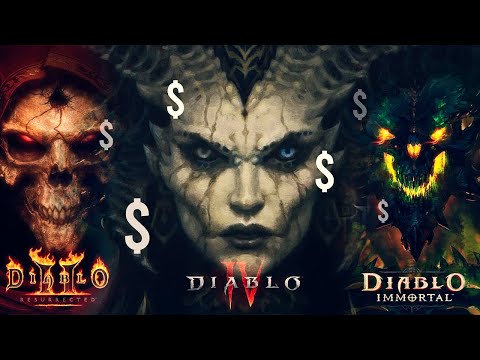
Yes, Diablo IV absolutely made more money in its first week than Diablo Immortal did in its entire first year. The numbers paint a very clear picture: Diablo IV raked in a staggering $666 million in its first five days, while Diablo Immortal generated around $525 million in its first 12 months. This makes Diablo IV the fastest-selling game in Blizzard’s history, completely eclipsing Diablo Immortal’s performance, despite the latter being considered a commercial success in its own right. The discrepancy highlights the different reception and monetization strategies employed by the two games. Let’s delve deeper into the financial performance of each title and explore the factors contributing to these outcomes.
Diablo IV: A Triumph from the Start
Diablo IV’s launch was nothing short of a phenomenon. The game was released to generally rave reviews, a stark contrast to the mixed reception that initially greeted Diablo Immortal, especially concerning its monetization practices. The premium pricing model of Diablo IV, with editions ranging from $69.99 to $99.99, combined with strong initial sales, propelled it to unprecedented financial success. The game’s performance in its early days shattered previous records, confirming its status as a major player in the gaming market.
Key Financial Highlights of Diablo IV:
- $666 million in revenue within the first five days.
- Fastest-selling game in Blizzard Entertainment’s history.
- Reached 12 million players by August 2023.
- Sold through more units than any other Blizzard game at an equivalent stage of release.
These numbers demonstrate not only initial hype but also strong player retention, indicating a more sustainable revenue stream for Diablo IV in the long run.
Diablo Immortal: A Mobile Giant with a Controversial Monetization
Diablo Immortal adopted a free-to-play model with in-app purchases (IAP), a common strategy for mobile games. While the game was downloaded approximately 22 million times and generated significant revenue, it also faced criticism for its aggressive monetization tactics. Players reported spending large sums to progress competitively, leading to accusations of being “pay-to-win.” This created a contentious environment within the community.
Key Financial Highlights of Diablo Immortal:
- $525 million in player spending in the first 12 months.
- $42.5 million in the first month.
- Approximately $1 million per day at its peak.
- Generated over $300 million within the first five months.
While these figures are impressive, they came at a cost. The negative publicity surrounding the monetization model may have impacted long-term player engagement and brand perception. It is essential to examine the design philosophy of game development and learning, so you can visit the Games Learning Society website to learn more about it.
Comparing Monetization Strategies
The core difference in the financial performance of Diablo IV and Diablo Immortal lies in their monetization strategies. Diablo IV relies on initial game sales and potential future expansion packs, fostering a sense of ownership and value for the player. Diablo Immortal, on the other hand, banks on recurring in-app purchases, which, while lucrative, can lead to player frustration and a negative reputation.
Factors Contributing to the Differences
Several factors contributed to the distinct financial outcomes of these two titles:
- Platform: Diablo IV is a PC and console game, while Diablo Immortal is a mobile game. This affects pricing models and target audiences.
- Monetization: Diablo IV uses a traditional purchase model, while Diablo Immortal is free-to-play with IAP.
- Reception: Diablo IV received largely positive reviews, while Diablo Immortal faced criticism for its monetization.
- Brand Strength: The Diablo franchise has a strong legacy on PC and consoles, giving Diablo IV a built-in advantage.
Long-Term Prospects
While Diablo IV had a phenomenal launch, its long-term success depends on continued content updates, expansion packs, and maintaining player engagement. Diablo Immortal, despite its controversies, has the potential to generate consistent revenue through its mobile platform and ongoing updates.
Ultimately, both games have found their place in the market. Diablo IV is a premium experience aimed at a traditional gaming audience, while Diablo Immortal targets a broader mobile audience willing to spend on in-app purchases.
Frequently Asked Questions (FAQs)
1. How much money did Diablo Immortal make in its first year?
Diablo Immortal generated approximately $525 million in player spending during its first year after launch on June 2, 2022.
2. How much money did Diablo IV make in its first week?
Diablo IV generated $666 million in revenue within the first five days of its launch.
3. Was Diablo Immortal considered a successful game?
Yes, despite controversies surrounding its monetization, Diablo Immortal was considered commercially successful, generating substantial revenue for Activision Blizzard.
4. Is Diablo IV a pay-to-win game like Diablo Immortal?
No, Diablo IV is not considered a pay-to-win game. It primarily relies on initial game sales, whereas Diablo Immortal uses a free-to-play model with in-app purchases that can significantly impact gameplay progression.
5. How much has the most someone spent on Diablo Immortal?
Some players have reported spending tens of thousands of dollars on Diablo Immortal. One YouTuber claimed to have spent over $100,000 in the game to maximize their character, which led to matchmaking issues.
6. Why was Diablo Immortal criticized?
Diablo Immortal received criticism primarily due to its aggressive monetization practices, which many players considered “pay-to-win.” Some found it challenging to progress without spending significant amounts of money.
7. Is Diablo Immortal still successful?
Yes, Diablo Immortal continues to be successful, although its revenue has likely decreased since its initial launch. It still generates a significant income for Activision Blizzard through its mobile platform.
8. What is the most profitable Diablo game?
Diablo IV holds the record for being the fastest-selling game in Blizzard Entertainment’s history.
9. How many people are playing Diablo IV?
Diablo 4 currently averages 351,000 players a day and a total of 5,274,267 active users in the last 30 days.
10. What platforms are Diablo IV and Diablo Immortal available on?
Diablo IV is available on PC, PlayStation 4, PlayStation 5, Xbox One, and Xbox Series X/S. Diablo Immortal is available on iOS, Android, and PC (in open beta).
11. What is the cost of Diablo IV?
Diablo IV is available in multiple editions, with the Standard Edition priced at $69.99, the Digital Deluxe Edition at $89.99, and the Ultimate Edition at $99.99.
12. Has Diablo Immortal surpassed $300 million in revenue?
Yes, Diablo Immortal surpassed $300 million in revenue approximately five months after its initial release.
13. What is the size of Diablo Immortal?
The total game size of Diablo Immortal is over 12 GB, including both the initial download from app stores and additional in-app downloads.
14. What are some alternatives for monetization that are less predatory than those used in Diablo Immortal?
Alternatives include cosmetic-only microtransactions, battle passes with non-power-enhancing rewards, subscription models, and fair pricing for in-game items that do not create a significant power imbalance. It is important to create effective game development and learning, so check the GamesLearningSociety.org to learn more about it.
15. Will there be more Diablo games in the future?
Given the success and popularity of the Diablo franchise, it is highly likely that Blizzard will continue to develop and release new Diablo games and expansions in the future.