Did GameCube Have M Rated Games? A Look at the GameCube’s Mature Side
Fast answer first. Then use the tabs or video for more detail.
- Watch the video explanation below for a faster overview.
- Game mechanics may change with updates or patches.
- Use this block to get the short answer without scrolling the whole page.
- Read the FAQ section if the article has one.
- Use the table of contents to jump straight to the detailed section you need.
- Watch the video first, then skim the article for specifics.
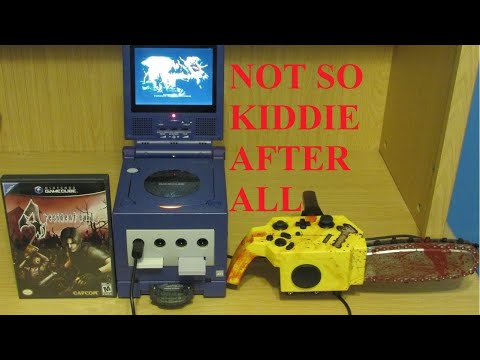
Yes, the Nintendo GameCube definitely had its share of M-rated games. While often remembered for its family-friendly titles like Super Smash Bros. Melee and Animal Crossing, the GameCube also catered to a more mature audience with games featuring graphic violence, mature themes, and complex narratives. It’s easy to overlook this aspect of the console’s library, especially given Nintendo’s overall image, but titles like Eternal Darkness: Sanity’s Requiem and Resident Evil 4 stand as prime examples of the console’s diverse offerings.
Unveiling the M-Rated Gems on the GameCube
The GameCube’s library wasn’t all sunshine and rainbows. Several titles pushed the boundaries, earning them the coveted (or perhaps notorious) “M for Mature” rating from the Entertainment Software Ratings Board (ESRB). These games offered experiences far removed from the typical Mario platformer, exploring darker themes and featuring more intense gameplay. Here’s a glimpse at some of the notable M-rated games that graced the GameCube:
- Eternal Darkness: Sanity’s Requiem: Developed by Silicon Knights and published by Nintendo, this psychological horror game is a standout title, praised for its innovative “sanity effects” that warped the player’s perception of reality. It was also the first Nintendo-published game to receive an M rating.
- Resident Evil 4: Often considered one of the best games in the series, Resident Evil 4 revolutionized the survival horror genre with its over-the-shoulder perspective and intense action sequences.
- Killer7: This stylish and bizarre action-adventure game from Suda51 is known for its unique cel-shaded visuals, complex storyline, and challenging gameplay.
- Metal Gear Solid: The Twin Snakes: A remake of the original Metal Gear Solid for the PlayStation, The Twin Snakes brought updated graphics and gameplay mechanics to the GameCube, offering a cinematic and stealth-focused experience.
- Second Sight: This game combines psychic powers with stealth action, placing players in the role of a man with amnesia who must uncover the truth behind his past.
- XIII: Based on the Belgian comic book series, XIII is a first-person shooter with a distinctive cel-shaded art style and a gripping conspiracy storyline.
- Turok: Evolution: A first-person shooter where you battle dinosaurs.
- BloodRayne: Play as a Dhampir (half-human, half-vampire) in this action-packed adventure as she fights against Nazis and the occult.
This list isn’t exhaustive, but it provides a solid overview of the M-rated content available on the GameCube. It’s important to remember that while these games were aimed at a mature audience, they also represented a willingness on Nintendo’s part to cater to diverse gaming tastes.
Why the GameCube’s Mature Games Mattered
The presence of M-rated games on the GameCube was significant for several reasons:
- Expanded Audience: It demonstrated that Nintendo was willing to expand its target demographic beyond its traditional family-friendly image.
- Genre Diversity: It broadened the range of genres available on the console, attracting players interested in horror, action, and mature storytelling.
- Critical Acclaim: Many of these M-rated games were critically acclaimed, contributing to the GameCube’s overall reputation as a console with a strong library of quality titles.
- Challenged Perceptions: It challenged the perception of the GameCube as solely a “kid’s console,” showcasing its ability to deliver mature and sophisticated gaming experiences.
Despite the GameCube’s overall sales figures being lower than its competitors (PlayStation 2 and Xbox), its library of games, including the M-rated titles, continues to be celebrated for its creativity and quality. The diverse range of games ensured that there was something for everyone, regardless of their age or gaming preferences.
FAQs: Delving Deeper into the GameCube
Here are some frequently asked questions about the GameCube, providing additional insights into the console and its place in gaming history.
1. What is the rarest GameCube game?
The rarest GameCube game is often debated, but the Sonic Heroes & Super Monkey Ball Duo Pack is considered one of the most valuable, often fetching high prices in the collector’s market. Other rare and valuable GameCube games include Pokemon Box Ruby & Sapphire and Disney Sports Basketball.
2. Why did the GameCube use small discs?
Nintendo opted for the 1.46 GB, 8 cm miniDVD-based technology to prevent copyright infringement, reduce manufacturing costs compared to Nintendo 64 Game Paks, and avoid licensing fees to the DVD Forum.
3. Was the GameCube more powerful than the PS2?
In terms of raw processing power, the GameCube generally held an edge over the PlayStation 2. The GameCube’s CPU clock speed was 485MHz compared to the PS2’s 295MHz, and its GPU also had a higher clock speed. However, the PS2 had other advantages, such as DVD playback capability and a larger disc capacity, which contributed to its widespread appeal.
4. Why did the GameCube not sell as well as the PS2?
Several factors contributed to the GameCube’s relatively poor sales performance compared to the PS2. These include its perceived image as a “kid’s console”, the limited data capacity of its mini-discs, the lack of DVD playback, and strong competition from the PS2 and Xbox.
5. Why was the GameCube sometimes mocked as a “kid’s toy”?
The GameCube was often mocked for its purple color, its weird controller layout, and its early marketing which focused on family-friendly titles like Super Mario Sunshine and The Legend of Zelda: The Wind Waker.
6. How well have GameCube games aged?
Many GameCube games have aged remarkably well. Despite the advancements in graphics technology, the core gameplay mechanics and artistic designs of many GameCube titles remain engaging and enjoyable. Nostalgia also plays a significant role in the enduring appeal of these games.
7. Do GameCube games suffer from disc rot?
Yes, GameCube games can suffer from disc rot, a form of degradation that can render the disc unreadable. Some batches of discs are more susceptible than others. For example, Metal Gear Solid: The Twin Snakes is known to have a higher incidence of disc rot.
8. Why is the GameCube not actually a cube?
The GameCube is technically a rectangular prism or cuboid, as its faces do not have the same square dimensions required to be a true cube.
9. What is the longest GameCube game to beat?
Animal Crossing on the GameCube is the longest game to beat, with an average completion time of 205 hours and 59 minutes.
10. What is the best-selling game on the GameCube?
The best-selling game on the GameCube is Super Smash Bros. Melee.
11. How many GameCube units were sold worldwide?
Nintendo sold approximately 22 million GameCube units worldwide during its lifespan.
12. Was Eternal Darkness: Sanity’s Requiem the first M-rated game published by Nintendo?
Yes, Eternal Darkness: Sanity’s Requiem was the first game published by Nintendo to receive an M (Mature) rating from the ESRB.
13. Why are kids not allowed to play M-rated games?
An “M” (Mature) rated game is a game rated by the ESRB as having “content suitable for persons 17 and older.” This content may include graphic violence and blood, language, and sexual content.
14. Is it okay to leave a disc in the GameCube?
Yes, it is generally fine to leave a disc inside the GameCube as long as the console isn’t moved, as it doesn’t cause any damage. It’s worth mentioning that leaving a game disc inside can prevent wear and tear on the drive mechanism.
15. Why are GameCube games so hard to emulate?
GameCube games are hard to emulate because software is compiled for specific hardware. Programmers have to reconstruct (emulate) the workflow of the console, figuring out how the console works, and thus is a complex process.
Concluding Thoughts
The GameCube, while often overshadowed by its competitors, offered a diverse and memorable gaming experience. The presence of M-rated games within its library underscores the console’s ability to cater to a wide range of gaming preferences, challenging its reputation as solely a “kid’s console”. These mature titles, along with the console’s unique hardware and innovative gameplay mechanics, have solidified the GameCube’s place as a beloved and influential system in gaming history. If you’re interested in learning more about the educational potential of games, be sure to visit the Games Learning Society at GamesLearningSociety.org.