Did Microsoft Buy the Rights to Call of Duty? The Definitive Answer
Fast answer first. Then use the tabs or video for more detail.
- Watch the video explanation below for a faster overview.
- Game mechanics may change with updates or patches.
- Use this block to get the short answer without scrolling the whole page.
- Read the FAQ section if the article has one.
- Use the table of contents to jump straight to the detailed section you need.
- Watch the video first, then skim the article for specifics.
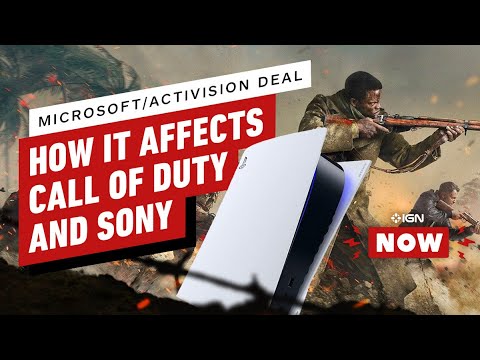
Yes, Microsoft has successfully completed its acquisition of Activision Blizzard, the company that owns the rights to the Call of Duty franchise. This monumental $69 billion deal marks the largest acquisition in the history of the gaming industry, solidifying Microsoft’s position as a major player and giving them control over one of the most lucrative entertainment properties in the world. This doesn’t simply mean Microsoft bought a Call of Duty game; they bought the entire franchise, and all future titles. The deal had a long and complex road to completion, including facing regulatory hurdles from around the globe, but it ultimately crossed the finish line.
The Journey to Acquisition: A Saga of Regulatory Battles and Strategic Maneuvering
The path to Microsoft acquiring Activision Blizzard was far from smooth. Initially announced in January 2022, the acquisition faced intense scrutiny from regulatory bodies worldwide, most notably the Federal Trade Commission (FTC) in the United States and the Competition and Markets Authority (CMA) in the United Kingdom.
Navigating Regulatory Scrutiny
The FTC initially attempted to block the deal, arguing that it would harm competition in the video game industry. Their primary concern was that Microsoft could potentially restrict access to Call of Duty on competing platforms, particularly Sony’s PlayStation. The CMA also expressed similar concerns, initially blocking the acquisition.
Microsoft actively worked to address these concerns. They made concessions, including offering a 10-year agreement to Sony to keep Call of Duty on PlayStation. This agreement effectively guarantees that future Call of Duty titles will continue to be available on PlayStation consoles for the next decade. The acquisition also faced legal action from private citizen antitrust lawsuits.
The CMA eventually approved the acquisition after Microsoft restructured the deal to address concerns about cloud gaming. This involved selling cloud gaming rights for Activision Blizzard games in the UK to Ubisoft. With these regulatory hurdles cleared, the acquisition was finally completed on October 13, 2023.
What This Means for the Future of Call of Duty
The acquisition has significant implications for the future of Call of Duty and the gaming industry as a whole.
Increased Resources and Development Power
With Microsoft’s resources, Activision Blizzard now has access to increased funding and technological expertise. This could lead to enhanced game development, improved graphics, and more innovative gameplay experiences in future Call of Duty titles.
Integration with Xbox Game Pass
One of the most anticipated aspects of the acquisition is the potential integration of Call of Duty into Xbox Game Pass. This would give Game Pass subscribers access to Call of Duty games as part of their subscription, further expanding the reach of the franchise and potentially driving up Game Pass subscriptions.
Continued Multiplatform Support
Despite being owned by Microsoft, Call of Duty is expected to remain a multiplatform franchise, at least for the foreseeable future. The agreement with Sony ensures its availability on PlayStation, and Microsoft has stated its commitment to reaching as many players as possible.
Frequently Asked Questions (FAQs) about Microsoft and Call of Duty
Here are 15 frequently asked questions to provide you with a deeper understanding of the Microsoft-Activision Blizzard acquisition and its implications:
-
What exactly did Microsoft acquire? Microsoft acquired Activision Blizzard, which includes Activision Publishing, Blizzard Entertainment, and King. This means they now own the rights to all of Activision Blizzard’s intellectual property, including Call of Duty, World of Warcraft, Overwatch, Diablo, Candy Crush, and many more.
-
How much did Microsoft pay for Activision Blizzard? The acquisition cost Microsoft $69 billion, making it the largest deal in gaming industry history.
-
Why did Microsoft want to buy Activision Blizzard? Microsoft’s primary goal is to strengthen its position in the gaming market and expand its reach to a wider audience. Acquiring Activision Blizzard provides them with a vast library of popular game franchises, a significant mobile gaming presence through King, and access to talented game development studios.
-
Will Call of Duty become an Xbox exclusive? No, it is unlikely Call of Duty will become exclusive to Xbox. Microsoft has signed an agreement with Sony to keep Call of Duty on PlayStation for the next 10 years. Furthermore, Microsoft has stated that it intends to bring Call of Duty to as many players as possible.
-
What is Xbox Game Pass? Xbox Game Pass is a subscription service that gives players access to a library of games for a monthly fee. The addition of Call of Duty to Game Pass could significantly increase the value and appeal of the service.
-
What happened to Activision stock? Once the acquisition was finalized, Activision Blizzard stock (ATVI) ceased trading on the stock market. Activision stockholders received $95 for each share they owned prior to the close of the deal.
-
Who is Phil Spencer? Phil Spencer is the CEO of Microsoft Gaming. He has been a key figure in shaping Microsoft’s gaming strategy and leading the acquisition of Activision Blizzard.
-
What role did the FTC play in the acquisition? The FTC initially attempted to block the acquisition, arguing that it would harm competition in the video game industry. However, after Microsoft made concessions, the FTC’s legal challenge was unsuccessful.
-
What is the CMA? The Competition and Markets Authority (CMA) is the UK’s competition regulator. It also initially blocked the acquisition but ultimately approved it after Microsoft restructured the deal to address concerns about cloud gaming.
-
Will this affect the development of future Call of Duty games? It’s possible. Microsoft’s resources and expertise could lead to improved game development and more innovative gameplay experiences. However, it remains to be seen how the acquisition will ultimately impact the direction of the franchise.
-
What is cloud gaming? Cloud gaming allows players to stream games over the internet without needing to download or install them on their devices. Microsoft has a cloud gaming service called Xbox Cloud Gaming.
-
What are the other franchises owned by Activision Blizzard? Besides Call of Duty, Activision Blizzard owns numerous other popular franchises, including World of Warcraft, Overwatch, Diablo, Starcraft, Hearthstone, and Candy Crush.
-
What is Microsoft’s overall strategy for gaming? Microsoft aims to build a gaming ecosystem that reaches players on all devices, including Xbox consoles, PCs, and mobile devices. The acquisition of Activision Blizzard is a key part of this strategy.
-
Will this affect Call of Duty esports? It’s too early to say definitively. Microsoft has a strong commitment to esports, so it’s possible that the acquisition could lead to increased investment and support for Call of Duty esports.
-
Where can I learn more about the intersection of gaming and education? The Games Learning Society is dedicated to the research and understanding of the design of games and simulations for learning. You can visit their website to explore more: GamesLearningSociety.org.
Conclusion: A New Era for Call of Duty
Microsoft’s acquisition of Activision Blizzard marks a new chapter for Call of Duty and the entire gaming industry. While the deal faced significant hurdles, its completion signifies Microsoft’s unwavering commitment to becoming a dominant force in the world of interactive entertainment. With increased resources, integration with Xbox Game Pass, and continued multiplatform support, the future of Call of Duty looks promising. This acquisition presents both opportunities and challenges. Navigating the integration of two massive companies, satisfying regulatory requirements, and delivering on player expectations will be crucial for Microsoft’s long-term success. Only time will tell how this acquisition will ultimately shape the landscape of the gaming industry, but one thing is certain: the game has changed.
The importance of games and gaming to society is an area of increasing study. To learn more about the intersection of gaming and education, explore the work of the Games Learning Society.