Do A Rated Games Exist? Unveiling the Truth Behind Video Game Ratings
Fast answer first. Then use the tabs or video for more detail.
- Watch the video explanation below for a faster overview.
- Game mechanics may change with updates or patches.
- Use this block to get the short answer without scrolling the whole page.
- Read the FAQ section if the article has one.
- Use the table of contents to jump straight to the detailed section you need.
- Watch the video first, then skim the article for specifics.
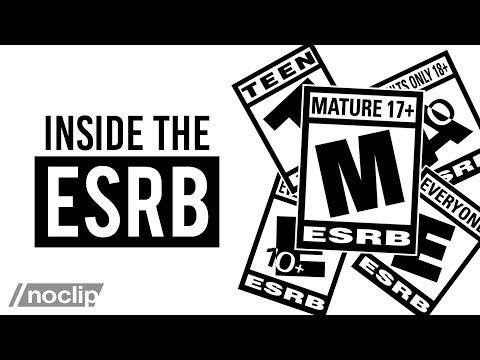
Yes, “A rated” games, specifically meaning “Adults Only” (AO) rated games, do exist. The Entertainment Software Rating Board (ESRB), the organization responsible for rating video games in North America, uses the AO rating to indicate that a game’s content is suitable only for individuals aged 18 years and older. This rating is reserved for games containing prolonged scenes of intense violence, graphic sexual content, and/or nudity. However, it’s important to note that AO ratings are relatively rare, and many developers avoid releasing games with this rating due to its potential impact on sales and distribution.
Understanding the ESRB Rating System
The ESRB rating system is designed to provide parents and consumers with information about the content of video games, helping them make informed decisions about which games are appropriate for themselves and their families. The ratings range from Early Childhood (EC) to Adults Only (AO), with several categories in between, including Everyone (E), Everyone 10+ (E10+), Teen (T), and Mature (M). Each rating is based on a comprehensive evaluation of the game’s content, including violence, language, sexual themes, and use of alcohol or drugs.
While the ESRB rating system focuses on informing consumers, its impact goes beyond mere recommendations. Many retailers refuse to sell AO-rated games, and some console manufacturers prohibit them from being released on their platforms. This creates a significant disincentive for developers to create games that might receive an AO rating, leading to the relative scarcity of such titles.
The Impact of AO Ratings on Game Development
The stigma associated with the AO rating often forces developers to make compromises during the development process. They might choose to tone down certain elements of the game, such as reducing the level of violence or censoring sexual content, in order to avoid receiving an AO rating and potentially limiting their audience. This can sometimes lead to creative constraints and impact the overall vision of the game.
However, some developers argue that the ESRB rating system and the associated restrictions stifle artistic expression and limit the potential for video games to explore complex and mature themes. They believe that adults should have the freedom to choose what they consume, even if it contains content that is considered controversial or offensive by some. The GamesLearningSociety.org provides insights into the educational aspects of gaming, including discussions around censorship and the impact of ratings on game design.
Alternative Rating Systems Around the World
It’s also important to remember that the ESRB rating system is not the only one in the world. Many other countries have their own rating systems, which may use different criteria and have different thresholds for what is considered acceptable content. For example, some European countries use the Pan European Game Information (PEGI) system, while Australia has its own classification system that includes ratings such as MA15+ and R18+. Brazil also utilizes a similar rating system for video games, television, and motion pictures. These alternative systems often have different approaches to classifying content and may result in different ratings for the same game.
Frequently Asked Questions (FAQs) About Video Game Ratings
Here are 15 FAQs to further clarify the topic of video game ratings:
1. What does the ESRB rating system stand for?
The ESRB rating system stands for the Entertainment Software Rating Board.
2. What is the highest rating a game can receive from the ESRB?
The highest rating a game can receive from the ESRB is Adults Only (AO).
3. What kind of content typically leads to an AO rating?
Content that typically leads to an AO rating includes prolonged scenes of intense violence, graphic sexual content, and/or nudity.
4. Are AO-rated games common?
No, AO-rated games are relatively rare due to potential limitations on sales and distribution.
5. What happens if a retailer sells an M-rated game to a minor?
Selling an M-rated game to a minor is often considered a violation of store policy, but it might not always be illegal, depending on local laws.
6. What is the difference between an M rating and an AO rating?
An M rating indicates content suitable for ages 17 and older, which may include mature themes, intense violence, and strong language. An AO rating is reserved for content suitable only for adults 18 and older, specifically featuring graphic sexual content or extreme violence.
7. What other rating systems exist besides the ESRB?
Other rating systems include the Pan European Game Information (PEGI) system used in Europe and the rating systems used in Australia and Brazil.
8. Is it illegal for a minor to play an AO-rated game?
It’s not generally illegal for a minor to play an AO-rated game, but it may be illegal for someone to supply it to a minor.
9. Why do some developers avoid the AO rating?
Developers avoid the AO rating because it can limit their audience and restrict distribution channels.
10. What does the “T” rating stand for in the ESRB system?
The “T” rating stands for Teen, indicating content suitable for ages 13 and older.
11. What is the rating for games that might be deemed suitable for 15-year-olds and up?
The Australian rating MA15+ is deemed suitable for 15-year-olds and up.
12. Can a 20-year-old bring a 13-year-old to an R-rated movie?
In some cases, yes. In many movie theaters, children under 17 are allowed if accompanied by a parent or legal guardian of a certain age (often 21 or 25).
13. Is there a “Z” rating for games?
There is no official “Z” rating recognized by the ESRB. While some have interpreted Z rated as the highest and most graphic rating possible, this isn’t an actual rating used or legally recognized. Titles rated “Z” in some contexts may refer to software or games with explicit content, often statistically or internally rated.
14. What are the ratings for games like Grand Theft Auto and The Witcher?
Games like Grand Theft Auto and The Witcher often receive an M (Mature) rating.
15. How does the ESRB determine a game’s rating?
The ESRB assigns ratings based on a comprehensive evaluation of the game’s content, including violence, language, sexual themes, and use of alcohol or drugs. The Games Learning Society is dedicated to promoting understanding and appreciation of games, including discussions around ratings and their influence on player experience.
In conclusion, while AO-rated games do exist, they are not common due to various factors, including retailer restrictions and developer concerns about limiting their audience. The ESRB rating system serves as a guide for consumers, helping them make informed decisions about the content of video games, and other rating systems around the world offer alternative approaches to classifying content. Understanding the ESRB and its role in the gaming industry is essential for both developers and consumers alike.