Do All Joy-Cons Drift Eventually? The Inevitable Fate of Nintendo’s Controllers
Fast answer first. Then use the tabs or video for more detail.
- Watch the video explanation below for a faster overview.
- Game mechanics may change with updates or patches.
- Use this block to get the short answer without scrolling the whole page.
- Read the FAQ section if the article has one.
- Use the table of contents to jump straight to the detailed section you need.
- Watch the video first, then skim the article for specifics.
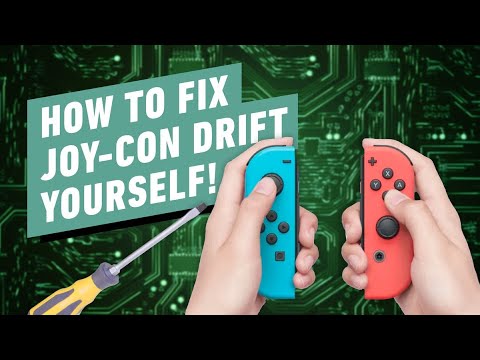
The short, and unfortunately honest, answer is yes, it’s highly likely that all Nintendo Joy-Cons will eventually succumb to drift. While not a guarantee, the design and inherent limitations of the Joy-Con’s analog sticks make them susceptible to this frustrating phenomenon. The real questions are not if but when and how severely. Let’s delve into the factors behind Joy-Con drift, its prevalence, and what you can do about it.
Understanding the Root Cause of Joy-Con Drift
Joy-Con drift, at its core, is an issue with the analog sticks registering movement even when untouched. This can result in your in-game character moving on their own, menus scrolling uncontrollably, or generally inaccurate control. Several factors contribute to this:
- Wear and Tear: This is the most common culprit. The internal components of the analog stick, particularly the carbon film pads that register movement, wear down with repeated use. Think of it like rubbing sandpaper against a surface – eventually, material degrades.
- Debris Accumulation: Dust, dirt, and even microscopic particles can infiltrate the analog stick assembly. These particles can interfere with the electrical contacts, causing false signals and mimicking movement.
- Design Flaws: Some argue that the Joy-Con’s compact design itself is a contributing factor. Cramming so much technology into a small space might lead to increased friction and accelerated wear.
- Software Glitches: While less common than hardware issues, software glitches can sometimes mimic drift. It’s always a good idea to ensure your Joy-Cons and Switch console have the latest firmware updates.
The Ubiquity of Joy-Con Drift: How Common Is It?
Unfortunately, Joy-Con drift is not a rare occurrence. Numerous reports and surveys indicate a significant percentage of Switch owners experience this issue. A report from the UK consumer watchdog Which found that over 40% of Joy-Con controllers experienced drift. This highlights the widespread nature of the problem and suggests it’s more a matter of when, not if, you’ll encounter it.
This widespread issue has led to numerous lawsuits against Nintendo, underscoring the frustration and financial burden it places on consumers. While some lawsuits have been dismissed, the ongoing scrutiny reflects the seriousness of the problem. The Games Learning Society and other educational organizations are even exploring the impact of such hardware issues on gaming experiences and accessibility. You can learn more at GamesLearningSociety.org.
What Can You Do About Joy-Con Drift?
While the eventual onset of drift seems almost inevitable, there are steps you can take to mitigate its impact and prolong the lifespan of your Joy-Cons:
- Cleanliness is Key: Regularly clean around the analog sticks with compressed air and a soft brush. This can help remove debris that may be contributing to the problem.
- Contact Cleaner: Some users have reported success using electronic contact cleaner to flush out the analog stick mechanism. However, exercise caution when using these products, as improper application could damage the controller.
- Nintendo’s Repair Program: Nintendo offers free Joy-Con repairs in many regions, regardless of warranty status. This is often the most reliable solution, although the turnaround time can be several weeks.
- DIY Repairs: There are numerous online tutorials and replacement parts available for those comfortable with disassembling and repairing their Joy-Cons themselves. This can be a cost-effective option, but it voids any remaining warranty and carries the risk of further damage if not done correctly.
- Third-Party Controllers: Consider investing in a third-party controller. Some manufacturers offer controllers with more durable analog sticks and improved designs that are less prone to drift.
- Preventative Measures: Avoid excessive force when using the analog sticks. Smooth, controlled movements will put less stress on the internal components.
Factors Influencing the Lifespan of Joy-Cons
Several factors can influence how long your Joy-Cons last before drift becomes a problem:
- Usage Frequency: The more you use your Joy-Cons, the faster they will wear down.
- Game Type: Games that require constant and intense use of the analog sticks (e.g., fast-paced action games, shooters) will accelerate wear.
- Storage Conditions: Storing your Joy-Cons in a clean, dry environment can help prevent debris accumulation.
- Manufacturing Variance: Like any mass-produced product, there can be variations in the quality of components and assembly processes, leading to some Joy-Cons being more durable than others.
The Future of Nintendo Controllers: Addressing the Drift Problem
Nintendo is aware of the Joy-Con drift issue and has acknowledged it publicly. While they haven’t explicitly stated a redesign is in the works, there have been subtle improvements in newer Joy-Con models, suggesting they are actively working to address the problem.
The company has also been experimenting with different controller designs, such as the Nintendo Switch Pro Controller, which utilizes a more robust analog stick mechanism. Whether Nintendo will eventually adopt a fundamentally different approach to Joy-Con design remains to be seen.
Conclusion: Embracing the Inevitable, Minimizing the Impact
While the prospect of Joy-Con drift is undoubtedly frustrating, understanding the underlying causes and taking preventative measures can help extend the lifespan of your controllers. The key is to be proactive, stay informed about your options, and embrace the fact that, for now, drift is an inherent part of the Nintendo Switch experience. This doesn’t diminish the enjoyment of the console, but it does require a certain level of preparedness and acceptance.
Frequently Asked Questions (FAQs) About Joy-Con Drift
1. How long do Joy-Cons typically last before drifting starts?
The lifespan of Joy-Cons before drift appears varies greatly depending on usage, but on average, with a few hours of daily play, drift can start occurring within a month to a year. Some users experience it sooner, while others have Joy-Cons that last for years without issue.
2. Is Joy-Con drift covered under Nintendo’s warranty?
In many regions, Nintendo offers free Joy-Con repairs regardless of warranty status if the issue is drift. Check Nintendo’s official website in your region for specific details and eligibility.
3. Can I fix Joy-Con drift myself?
Yes, DIY repair kits and tutorials are available online. However, proceed with caution, as disassembling your Joy-Cons voids the warranty and you could potentially cause further damage.
4. Will Nintendo replace my Joy-Cons for free if they’re drifting?
Nintendo typically repairs drifting Joy-Cons for free, rather than replacing them outright. However, in certain circumstances, they may offer a replacement.
5. Does the Nintendo Switch OLED model have better Joy-Cons that are less prone to drift?
Nintendo claims that the Switch OLED model has “improved” Joy-Cons, but they haven’t provided specific details about the changes. Early reports suggest the OLED Joy-Cons may be slightly more durable, but they are still susceptible to drift.
6. Which Joy-Con (left or right) is more likely to drift?
Anecdotally, the left Joy-Con seems to be more prone to drift, possibly due to being used more frequently for movement in most games. However, drift can occur on either Joy-Con.
7. How do I know if my Joy-Cons are drifting?
Common symptoms include unintended movement in games or menus, unresponsive controls, and jerky or erratic behavior. You can also use the calibration tool in the Switch’s system settings to test for drift.
8. Can software updates fix Joy-Con drift?
While software updates can sometimes address minor glitches that mimic drift, they cannot fix hardware-related drift. If the issue is due to wear and tear or debris accumulation, a software update will not solve the problem.
9. Are third-party Nintendo Switch controllers less likely to drift?
Some third-party controllers are designed with more durable analog sticks and may be less prone to drift than Joy-Cons. Research reviews and specifications before purchasing.
10. How much does it cost to repair Joy-Con drift if I don’t want to do it myself?
If Nintendo doesn’t cover the repair for free, the cost can vary. Third-party repair services typically charge between $20 and $40 per Joy-Con.
11. Will covering my joycons in protectors prevent drifting?
While it won’t prevent drifting, Joy-Con protectors can help prevent dust, dirt, and other particles that can cause damage to the controller. So, it’s only a preventative measure but not a solution.
12. Why is Nintendo getting sued for Joy-Con drift?
Nintendo has faced multiple lawsuits over Joy-Con drift due to concerns about product quality, durability, and the lack of a permanent solution to the problem.
13. Is there a Nintendo Switch controller that doesn’t drift at all?
The GuliKit KingKong 2 Pro Controller is advertised as a drift-free alternative, using electromagnetic joysticks. While it’s not a first-party Nintendo product, many users report success with it.
14. Does controller drift get worse over time?
Yes, controller drift typically worsens over time as the internal components of the analog sticks continue to wear down.
15. How long do fully charged Joy-Cons last?
Fully charged Joy-Cons typically last around 20 hours of gameplay, although this can vary depending on the game and usage.