Do All Pirated Games Have Viruses? Unmasking the Risks of Unlicensed Downloads
Fast answer first. Then use the tabs or video for more detail.
- Watch the video explanation below for a faster overview.
- Game mechanics may change with updates or patches.
- Use this block to get the short answer without scrolling the whole page.
- Read the FAQ section if the article has one.
- Use the table of contents to jump straight to the detailed section you need.
- Watch the video first, then skim the article for specifics.
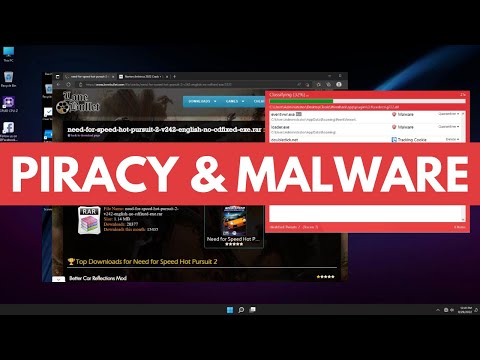
No, not all pirated games have viruses, but downloading them is akin to playing Russian Roulette with your digital safety. While some sources might offer seemingly clean downloads, the inherent nature of piracy means you’re venturing into an unregulated landscape where the risk of encountering malware, ransomware, spyware, and other nasty digital infections is significantly elevated. It’s a dangerous gamble with your data, your device’s performance, and even your financial security. Proceed with extreme caution, if at all.
The Hidden Dangers Lurking in Pirated Games
The allure of free games is undeniably strong. However, the reality is that pirated software often acts as a breeding ground for cybercriminals. Here’s a breakdown of why downloading pirated games is a risky proposition:
- Modified Executables: Pirated games typically involve modifying the original executable files to bypass licensing and copyright protections. This alteration process can easily be exploited to inject malicious code, turning the game into a Trojan horse.
- Untrusted Sources: Unlike legitimate game distribution platforms, piracy websites operate without oversight. You have no guarantee of the source’s integrity or the safety of the downloaded files. They are often a haven for bad actors.
- Bundled Malware: Even if the main game file appears clean, pirates often bundle malware within the installation package. This malware could range from annoying adware to devastating ransomware that encrypts your entire hard drive.
- Exploiting Vulnerabilities: Older or poorly secured games can contain vulnerabilities that pirates can exploit to deliver malicious payloads to your system.
- Lack of Updates and Security Patches: Pirated games, by their nature, can’t receive official updates. This means your game, and your system, remain vulnerable to exploits and security flaws that have been patched in the legitimate version.
- Data Theft: Spyware and other malware embedded in pirated games can silently steal your personal information, including passwords, banking details, and browsing history. This data can then be used for identity theft or financial fraud.
Understanding the Risks: Beyond the Obvious
It’s easy to focus on the immediate threat of viruses when discussing pirated games, but the risks extend far beyond simple malware infections. Consider these additional factors:
- Legal Repercussions: Downloading and using pirated software is illegal in most countries. You could face fines, lawsuits, or even criminal charges if caught.
- Damage to the Gaming Industry: Piracy undermines the financial viability of game developers, especially smaller indie studios. It reduces their ability to create new and innovative games, ultimately harming the gaming community as a whole. Check more on this topic at Games Learning Society to see how it harms the industry.
- Unstable Game Performance: Cracked games often suffer from performance issues, glitches, and bugs that are not present in the legitimate versions. The compromised code and lack of updates can lead to a frustrating gaming experience.
- No Multiplayer Access: Many modern games rely on online services and anti-cheat systems. Pirated games are typically unable to connect to these services, rendering the multiplayer component unusable.
- Ethical Considerations: Using pirated software is essentially stealing the work of the developers and artists who created the game. It’s an ethical issue to consider, especially for those who value the creative arts.
How to Protect Yourself
While the safest approach is to avoid pirated games altogether, here are some measures you can take to mitigate the risks if you choose to engage in piracy:
- Use a Reputable Antivirus Program: Ensure your antivirus software is up-to-date and perform regular scans of your system. Look for programs with real-time protection and behavior-based detection.
- Scan Downloads Before Installation: Before installing any downloaded game, scan the installation files with your antivirus software. Be wary of any files flagged as suspicious.
- Use a Virtual Machine: Install the pirated game inside a virtual machine. This creates a sandbox environment that isolates the game from your main operating system, limiting the potential damage from malware.
- Research the Source: If you’re going to download a pirated game, research the website or forum where you found it. Look for reviews and feedback from other users to assess its trustworthiness.
- Monitor System Activity: After installing a pirated game, closely monitor your system’s performance. Look for signs of unusual activity, such as high CPU usage, excessive network traffic, or unexpected pop-up ads.
- Back Up Your Data: Regularly back up your important files to an external drive or cloud storage. This will protect you from data loss in case your system is infected with ransomware.
- Consider Legitimate Alternatives: Explore legal alternatives to buying games, such as game subscription services (Xbox Game Pass, PlayStation Plus) and free-to-play games.
Frequently Asked Questions (FAQs)
1. What is a “cracked” game?
A cracked game is a pirated version of a video game that has had its copyright protection mechanisms removed or bypassed. This allows users to play the game without paying for a license.
2. Is it illegal to download cracked games?
Yes, downloading and using cracked games is illegal in most countries, as it violates copyright laws.
3. Can my ISP detect if I’m downloading pirated games?
Yes, your Internet Service Provider (ISP) can potentially detect if you are downloading pirated games through various monitoring techniques. They may then send you a warning notice or take other actions.
4. Will Steam detect pirated games installed on my computer?
Steam primarily tracks games that have been legally purchased and installed through its platform. It does not actively scan your entire system for pirated games.
5. Is it possible to get a virus from a Steam game?
While rare, it is possible for a legitimate Steam game to contain malware if the developer’s account is compromised. However, Steam has measures in place to detect and remove such games quickly.
6. Is SteamUnlocked safe to use?
SteamUnlocked is a website that offers free downloads of cracked games. While some users report positive experiences, it’s considered risky due to the potential for malware.
7. Can pirated games damage my computer hardware?
Direct hardware damage from pirated games is rare. However, malware installed through pirated games can cause overheating, excessive wear, and other issues that indirectly affect hardware.
8. What is ransomware, and how can pirated games spread it?
Ransomware is a type of malware that encrypts your files and demands a ransom payment for their decryption. Pirated games can be infected with ransomware and spread it to your system.
9. How can I tell if a game download is safe?
Look for downloads from trusted sources, check for digital signatures, scan files with antivirus software, and read reviews from other users. If something seems too good to be true, it probably is.
10. What are some legal alternatives to downloading pirated games?
Legal alternatives include buying games from reputable platforms (Steam, GOG), subscribing to game services (Xbox Game Pass, PlayStation Plus), and playing free-to-play games.
11. Are keygens safe to use for activating pirated games?
Keygens (key generators) are software programs designed to generate license keys for software. They are almost always associated with piracy and are extremely risky, often containing malware.
12. Can pirated games slow down my computer?
Yes, pirated games can slow down your computer due to the malware they may contain or the inefficient code used in the cracked versions.
13. Is watching pirated game streams illegal?
Watching pirated game streams is generally not illegal for the viewer, although it may be illegal for the streamer if they are broadcasting copyrighted content without permission.
14. How much money does the gaming industry lose to piracy each year?
The gaming industry loses billions of dollars each year to piracy. This negatively impacts game development and innovation.
15. Where can I learn more about the impact of games on education and society?
You can explore the GamesLearningSociety.org website for resources and research on the positive impacts of games on learning and societal development.