Do CDL Players Tune Their Guns? The Definitive Answer
Fast answer first. Then use the tabs or video for more detail.
- Watch the video explanation below for a faster overview.
- Game mechanics may change with updates or patches.
- Use this block to get the short answer without scrolling the whole page.
- Read the FAQ section if the article has one.
- Use the table of contents to jump straight to the detailed section you need.
- Watch the video first, then skim the article for specifics.
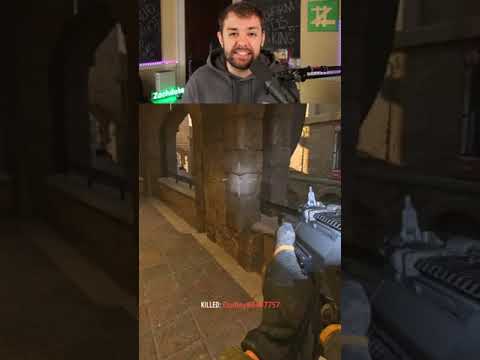
Yes, CDL (Call of Duty League) players meticulously tune their guns to achieve peak performance. Weapon tuning is a critical aspect of competitive Call of Duty, allowing players to optimize their loadouts for specific roles, maps, and playstyles. Mastering this is as important as having sharp aim and strategic awareness.
Understanding Weapon Tuning in Call of Duty
Weapon tuning, introduced in recent Call of Duty titles, allows players to customize individual attachments on their weapons, altering their performance characteristics. This goes beyond simply selecting attachments; it involves fine-tuning each attachment along specific axes to maximize its benefits and minimize its drawbacks. This level of customization is a game-changer in competitive play.
The Importance of Tuning in Competitive Play
In the CDL, even the slightest advantage can be the difference between victory and defeat. Tuning allows players to:
- Maximize Gun Skill: A well-tuned gun feels better in the hand, leading to improved accuracy and faster reaction times.
- Optimize Recoil Control: Reduce recoil, making it easier to stay on target during sustained fire.
- Increase Aim Down Sight (ADS) Speed: Get into ADS faster, giving a crucial edge in gunfights.
- Enhance Mobility: Improve movement speed, allowing for quicker rotations and engagements.
- Counter Opponent Strategies: Adjust loadouts to counter specific enemy team compositions and tactics.
Tuning Parameters and Their Impact
Each attachment has adjustable parameters that affect different weapon stats. Here’s a brief overview:
- Barrels: Often adjusted for damage range, recoil control, or bullet velocity.
- Muzzles: Critical for recoil control and sound suppression.
- Stocks: Influence recoil control, ADS speed, and movement speed.
- Underbarrels: Improve aiming stability, recoil control, and hip fire accuracy.
- Lasers: Enhance hip fire accuracy and ADS speed.
- Optics: While not directly tunable, the choice of optic significantly impacts accuracy and target acquisition.
- Rear Grips: Primarily affect recoil control and aiming stability.
- Magazines: The ammo capacity and reload speed can be critical for particular playstyles.
How CDL Players Approach Weapon Tuning
CDL players don’t just randomly adjust parameters. Their approach is methodical and data-driven, involving:
- Community Consensus: Leverage community knowledge and pro player recommendations as a base.
- Experimentation: Spend hours in custom games, testing different tuning configurations.
- Data Analysis: Carefully analyze in-game performance data to identify optimal settings.
- Collaboration: Work with teammates and coaches to refine loadouts based on team strategies.
- Adaptation: Continuously adjust their tuning setups based on meta changes and map layouts.
Examples of Common Tuning Strategies
- Submachine Guns (SMGs): Prioritize ADS speed, movement speed, and recoil control for aggressive, close-quarters combat.
- Assault Rifles (ARs): Balance damage range, recoil control, and accuracy for versatile mid-to-long-range engagements.
- Snipers: Focus on ADS speed and flinch resistance for quick scoping and accurate shots.
The Future of Weapon Tuning in Competitive Call of Duty
Weapon tuning is likely to remain a staple of competitive Call of Duty. As the game evolves, new attachments, parameters, and tuning options will emerge, forcing players to constantly adapt and refine their loadouts. This ongoing process of optimization and innovation is what makes weapon tuning such a crucial and exciting aspect of the competitive scene.
Frequently Asked Questions (FAQs)
1. Can anyone tune weapons in Call of Duty?
Yes, weapon tuning is available to all players in the game, provided they have unlocked the ability to do so, which usually requires leveling up the weapon.
2. Is weapon tuning allowed in all CDL matches?
Yes, weapon tuning is generally allowed in CDL matches, but the CDL administration sets the rules and could restrict certain attachments or tuning parameters if they are deemed overpowered.
3. Where can I find information about CDL player gun tuning setups?
Many pro players and content creators share their loadouts and tuning configurations on social media (Twitter, YouTube), or within their Twitch Streams. Websites dedicated to Call of Duty can also provide this information.
4. How much difference does weapon tuning actually make?
Weapon tuning can make a significant difference. Properly tuned weapons can drastically improve a player’s accuracy, reaction time, and overall effectiveness in combat. It’s a crucial detail for optimizing loadouts.
5. Is it worth spending time learning how to tune weapons?
Yes, especially if you are serious about improving your performance in Call of Duty, whether in casual or competitive play. The investment in learning will undoubtedly improve gun skill and the player’s in-game effectiveness.
6. Are there any specific attachments that are always tuned the same way by CDL players?
While there’s no universal agreement, certain attachments often receive similar tuning adjustments. For example, muzzles are frequently tuned to prioritize recoil control, and stocks are tuned to improve ADS speed. However, even these can vary based on the particular gun and player preference.
7. How often do CDL players change their weapon tuning?
CDL players may adjust their tuning before each match based on the map, game mode, and opponent they’re facing. They are always adapting to maintain a competitive advantage.
8. What is the most important thing to consider when tuning a weapon?
The most crucial factor is to tune the weapon to suit your specific playstyle and role within the team. What works for one player might not work for another.
9. Does weapon tuning affect weapon camo challenges?
No, weapon tuning does not affect weapon camo challenges. Camo challenges are based on completing specific tasks with the weapon, regardless of its tuning.
10. Can you reset the tuning on an attachment back to its default setting?
Yes, you can easily reset the tuning on any attachment back to its default setting, offering players the freedom to experiment without permanent changes.
11. Is there a best overall weapon tuning setup for every gun?
No, there isn’t a single best setup for every gun. The optimal tuning depends on individual preferences, playstyle, and the specific situation. The best approach is to experiment and find what works best for you.
12. Are there any resources or tools that can help with weapon tuning?
Yes, many websites and YouTube channels offer guides and tools that can help you understand the impact of different tuning parameters. There are also apps and websites where players share their recommended setups.
13. How does weapon tuning affect recoil patterns?
Weapon tuning directly impacts recoil patterns. By adjusting parameters like recoil control and aiming stability, you can significantly reduce recoil and make it easier to stay on target.
14. Are there any disadvantages to weapon tuning?
Over-tuning one parameter can negatively affect others. For example, maximizing recoil control might reduce ADS speed or movement speed. It’s crucial to find a balance that optimizes the weapon for your intended use.
15. Does weapon tuning change between Call of Duty games?
Yes, weapon tuning mechanics and available parameters change between Call of Duty games. Each game introduces new attachments and tuning options, requiring players to re-learn and adapt their tuning strategies.