Do Dragons Count as Monsters? A Deep Dive into Mythical Classifications
Fast answer first. Then use the tabs or video for more detail.
- Watch the video explanation below for a faster overview.
- Game mechanics may change with updates or patches.
- Use this block to get the short answer without scrolling the whole page.
- Read the FAQ section if the article has one.
- Use the table of contents to jump straight to the detailed section you need.
- Watch the video first, then skim the article for specifics.
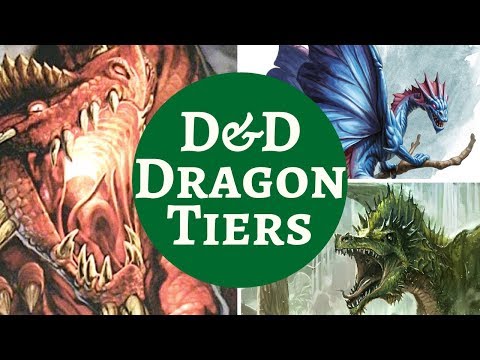
The question of whether dragons are considered monsters is more complex than it might initially appear. The short answer is: it depends on the context. While dragons possess many attributes commonly associated with monsters – immense power, terrifying appearances, and often destructive tendencies – they also have elements that elevate them beyond simple monstrous classification, particularly in many cultures. Ultimately, dragons often reside in a liminal space, embodying both monstrous and majestic qualities. Let’s explore the reasoning further.
Defining a Monster: The Core Criteria
To determine if dragons fit the “monster” label, it’s necessary to establish what constitutes a monster in the first place. Generally, monsters are creatures that evoke fear, often possess grotesque or unusual physical features, and are perceived as dangerous and aggressive. They are frequently found in horror, fantasy, folklore, and mythology, where they serve as antagonists and threats. While monsters are frequently seen as evil, their monstrous classification can extend to creatures that are simply dangerous or misunderstood, regardless of their alignment.
Dragons certainly fulfill some of these criteria. Many Western depictions of dragons present them as greedy, fire-breathing terrors that delight in pillaging and destruction. Their large scales, sharp teeth, and formidable claws contribute to their monstrous image. These versions of dragons fit snugly into the traditional monster archetype.
Dragons as More Than Just Monsters
However, the notion of dragons as solely monsters falls short when we consider their diverse portrayals across cultures and mythologies. In Eastern traditions, particularly in Chinese culture, dragons are often seen as benevolent beings, symbols of power, wisdom, and good fortune. They are associated with water, rain, and prosperity, representing the positive and creative forces of nature. Such depictions hardly align with the traditional Western monster.
Moreover, even in the West, some portrayals of dragons paint them as ancient, powerful beings possessing sentience, intelligence, and even a sense of honor. These dragons are more complex than simple villains; they are characters with their own motivations and agendas. Therefore, it’s not always appropriate to label them as mere monsters. The majesty and grand scale of dragons, especially when coupled with their intelligence, can often defy simplistic classification.
Dragons in the Dungeons & Dragons Universe
Within the context of games like Dungeons & Dragons, dragons are classified as a distinct creature type and have their own entries in the Monster Manual. While they possess many monstrous attributes, they are also presented as intelligent and potent beings. They are more than just enemies; they are formidable forces to be reckoned with. In this realm, they can be considered a specific type of monster, but a unique and complex one. They are not mere beasts to be slain, and their classification does not diminish their complex nature or their role as some of the most revered creatures in fantasy lore.
The Dual Nature of Dragons
The essence of the dragon’s enigmatic character lies in its dual nature. It embodies both the terrifying power of a monster and the grandeur of a magnificent mythical creature. Dragons can be both the embodiment of chaos and the bringers of enlightenment. This makes them far more complex than your typical monster, whose primary function is to evoke fear or provide a challenge for heroes.
Their complexity is part of their allure; they defy easy categorization. They can be savage and destructive, but also wise and insightful. The diverse portrayals of dragons across cultures and mythologies, from fire-breathing beasts to benevolent deities, showcase the breadth of their interpretations and the unique position they hold in our collective imagination.
The Continuing Allure
Ultimately, whether a dragon is considered a monster depends largely on the viewer’s perspective and the specific portrayal. Their multifaceted nature allows them to be both feared and revered, simultaneously monstrous and awe-inspiring. This dualism ensures that dragons continue to captivate and intrigue us. They are more than just monsters; they are a testament to the power of myth and the endless possibilities of the imagination.
Frequently Asked Questions (FAQs) About Dragons and Monsters
Here are some frequently asked questions to further explore the topic:
What creature type is a dragon in D&D?
In Dungeons & Dragons (D&D), dragons are typically classified as dragons as their own separate creature type, and are not considered beasts or monsters despite appearing in the Monster Manual. They are a distinct type, characterized by their large size, magical abilities, intelligence, and reptilian nature. They are also diverse and have multiple sub-categories based on color and temperament, for example, Chromatic (typically evil) and Metallic (typically good).
Are dragons animals in a scientific sense?
No, dragons are not considered animals in a scientific sense. They are mythical creatures with no basis in reality. However, real-life reptiles like snakes and lizards likely contributed to their fictional depictions, combined with the discovery of dinosaur fossils which could have been attributed to them in ancient times.
What is the difference between an Eastern and Western dragon?
Western dragons are often depicted as large, winged, fire-breathing reptilian monsters, often associated with greed and destruction. Eastern dragons, on the other hand, are usually serpentine, wingless (though capable of flying), and are often portrayed as benevolent symbols of wisdom, power, and good fortune, with a deep connection to water.
Are there any good dragons in mythology?
Yes, many mythologies feature good and benevolent dragons, especially in Eastern cultures. These dragons are associated with protection, good luck, and prosperity. Examples include the various dragons in Chinese and Japanese lore.
What is a chromatic dragon?
Chromatic dragons are a category of dragons in D&D typically associated with evil, often with scales in solid, non-reflective colors like black, red, blue, green, and white. They are generally greedy, predatory, and worship the evil dragon goddess Tiamat.
What is a metallic dragon?
Metallic dragons, in contrast to chromatic dragons, are generally aligned with good and justice. Their scales have a metallic sheen, such as gold, silver, bronze, copper, and brass. These dragons often embody noble qualities and tend to be protectors of the innocent.
Who is Tiamat?
Tiamat is the evil dragon goddess who is worshiped by chromatic dragons in many D&D settings. She is the embodiment of greed and destruction and is a formidable antagonist in the pantheon of dragon deities.
Who is Bahamut?
Bahamut is the good dragon god, often referred to as the Lord of the North Wind. He is the patron deity of metallic dragons and is the embodiment of justice, wisdom, and noble ideals.
What is a wingless dragon called?
Wingless dragons are also known as quadrupedal dragons. While not as common, many cultures have depicted dragons with no wings. They often have a stockier build than their winged counterparts. Some may have vestigial wings.
What color dragon is considered the most evil?
While all chromatic dragons are typically evil, black dragons are often considered the cruelest and most depraved. They are associated with swamps and acid attacks, hoarding treasure from lost empires.
Does the Bible mention dragons?
Yes, the Bible mentions dragons, notably in the Book of Revelation where a great red dragon is described as an embodiment of evil. This dragon is later identified with Satan. The biblical dragon is symbolic of chaos and wickedness.
What are some mythical creatures that are enemies of dragons?
Various mythical creatures are said to be enemies of dragons. One example is the ichneumon, a mongoose-like creature that, according to medieval folklore, coats itself in mud and kills dragons by attacking their soft underbelly.
What do dragons symbolize?
Dragons have varying symbolism. In the West, they are often a symbol of evil and chaos. In the East, they represent power, wisdom, and good fortune. Overall, dragons are often viewed as symbols of untamed nature and potent forces.
Are dragons considered gods?
In some cultures, particularly in Mesoamerica, dragons or draconic creatures were worshiped as gods. The example of Quetzalcoatl highlights how dragons were not always viewed as destructive monsters, but also as deities with significance.
Did dragons ever exist in reality?
There is no scientific evidence that dragons ever existed. Their origins are likely rooted in folklore, mythology, and the misidentification of dinosaur fossils and the appearance of certain large reptiles.