Do Druids Have Spells Known? A Deep Dive into Druidic Magic
Fast answer first. Then use the tabs or video for more detail.
- Watch the video explanation below for a faster overview.
- Game mechanics may change with updates or patches.
- Use this block to get the short answer without scrolling the whole page.
- Read the FAQ section if the article has one.
- Use the table of contents to jump straight to the detailed section you need.
- Watch the video first, then skim the article for specifics.
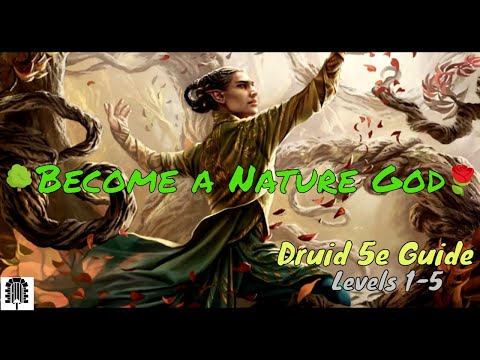
Yes and no. That might seem like a frustratingly vague answer, but it’s the most accurate way to describe how Druids handle their spellcasting in Dungeons and Dragons 5th Edition (and often in other editions, with slight variations). Unlike some spellcasting classes like Sorcerers, who have a limited and defined number of spells they know and can cast, Druids have access to their entire class spell list. However, this access comes with the caveat of preparation. Let’s break it down further.
The Druidic Connection to Nature’s Power
The Druid’s spellcasting isn’t about rote memorization or arcane formulas. Instead, it stems from a deep connection with the natural world. They draw power from the earth, the forests, the elements, and the spirits of nature. This connection grants them access to a vast repertoire of spells reflecting these themes, including healing, elemental manipulation, and the iconic ability to wild shape into animal forms.
Preparation is Key: Accessing the Druidic Spell List
While Druids can theoretically cast any spell on their class list, they can only prepare a certain number of spells each day. Preparation is the crucial difference. They don’t learn spells and permanently add them to a “known” list like a Sorcerer. Instead, after a long rest, a Druid meditates and communes with nature to select which spells they will have readily available for the coming day.
The number of spells a Druid can prepare is determined by the following formula:
Number of Prepared Spells = Druid Level + Wisdom Modifier
This means a Druid with high Wisdom (their spellcasting ability score) can prepare significantly more spells than one with lower Wisdom. Also, as a Druid gains levels, they get access to higher-level spells and can prepare a greater quantity of spells overall.
Subclass Spells: The Exception to the Rule
Certain Druid subclasses (Druid Circles) grant access to additional spells that are always prepared. These spells don’t count against the Druid’s maximum number of prepared spells. Examples include spells granted by the Circle of the Land, which provides spells based on the type of terrain the Druid is connected to, or spells provided by the Circle of the Moon, which enhances Wild Shape capabilities. These subclass spells offer a constant set of abilities, complementing the flexible nature of daily spell preparation. This is further enhanced for educational purposes through organizations like Games Learning Society, where different subclasses can be studied and compared to see how they influence the play style of a Druid.
Cantrips: The Constant Companions
Cantrips are the one exception to the daily preparation rule. Druids choose a specific number of cantrips when they first become a Druid, and these spells are always available to them. They don’t need to prepare cantrips each day. The number of cantrips a Druid knows increases as they level up. While the rules suggest these cannot be changed, many Dungeon Masters (DMs) allow players to swap out cantrips when they level up, offering further customization of the Druid build.
Strategic Spell Selection: Adapting to the Adventure
The Druid’s ability to change their prepared spells daily is a significant advantage. It allows them to adapt their spell selection to the challenges they expect to face. For example, if the party is exploring a dungeon filled with undead, the Druid can prepare spells that are effective against undead creatures. If the party is travelling through a desert, the Druid can prepare spells that create water or protect against the heat. This flexibility makes Druids versatile and valuable members of any adventuring party.
The Roleplaying Implications
The way Druids access their magic has important roleplaying implications. It emphasizes their connection to nature and their reliance on wisdom and intuition. A Druid might spend time observing their surroundings before deciding which spells to prepare, taking into account the weather, the local flora and fauna, and any omens or signs they perceive. This process can add depth and flavor to the character.
FAQs: Deepening Your Understanding of Druidic Spells
1. What happens if a Druid doesn’t have time for a long rest?
If a Druid doesn’t have time for a long rest, they cannot change their prepared spells. They are stuck with the spells they had prepared the previous day. This highlights the importance of planning and resource management for Druids.
2. Can a Druid prepare the same spell multiple times?
Yes, a Druid can prepare the same spell multiple times, as long as they have enough available spell slots of the appropriate level. This can be useful for spells that the Druid knows they will need frequently.
3. Does multiclassing affect a Druid’s spellcasting?
Multiclassing can affect a Druid’s spellcasting in several ways. It does not change the number of available spells within the Druid spell list; however, it might give you different spell slots or access to spells through a secondary class.
4. Can a Druid use scrolls to cast spells they haven’t prepared?
Yes, a Druid can use scrolls to cast spells they haven’t prepared, as long as they meet the other requirements for using the scroll (e.g., having the spell on their class list).
5. Can a Druid copy spells from a spellbook?
No. Druids do not use spellbooks. Therefore, they cannot copy spells from spellbooks.
6. How do Druids learn new spells when they level up?
Druids automatically have access to all spells of a level they can cast as they level up. There is no “learning” process involved, just access.
7. What are some common Druid spells?
Common Druid spells include Goodberry, Healing Word, Entangle, Moonbeam, Call Lightning, Conjure Animals, Heal, and Mass Cure Wounds. These spells reflect the Druid’s connection to nature and their ability to heal and protect.
8. What happens if a Druid prepares a spell but doesn’t use it?
Nothing happens. The spell remains prepared until the Druid takes another long rest and prepares new spells.
9. Can a Druid use metamagic?
Whether a Druid can use metamagic depends on whether they have access to metamagic from another source, such as a feat or another class. The Druid class itself doesn’t grant access to metamagic.
10. What is the secret language of Druids?
The secret language of Druids is called Druidic. Only Druids can speak and understand this language, which they use to communicate with each other and to leave hidden messages.
11. Do all Druids worship the same gods?
No, Druids don’t necessarily worship the same gods. They may worship different nature deities or spirits, depending on their personal beliefs and the traditions of their circle.
12. How does Wild Shape interact with spellcasting?
While in Wild Shape, a Druid’s ability to cast spells is limited. They can only cast spells with verbal and somatic components if their new form allows them to speak and move their limbs freely. Some Druid subclasses, such as the Circle of the Moon, enhance spellcasting capabilities in Wild Shape.
13. Are there any specific restrictions on Druid spells?
Some DMs may impose restrictions on Druid spells based on the setting or the Druid’s alignment. For example, a Druid might be forbidden from using spells that cause widespread destruction or that disrupt the natural balance.
14. How does a Druid choose their spells during preparation?
A Druid typically chooses their spells based on their understanding of the challenges they expect to face, their personal preferences, and their role within the party. They may also consult with other party members to coordinate spell selection.
15. What’s the best way to learn more about Druids and their magic?
The best way to learn more about Druids and their magic is to play one, research the class in the Player’s Handbook and other D&D resources, and consult with experienced DMs and players. You can also delve into the lore of different campaign settings to learn about the role of Druids in those worlds. Exploring resources such as GamesLearningSociety.org can also provide further insight into the strategic and role-playing elements of the Druid class.