Do Elden Ring Endings Stack? Unraveling the Mysteries of the Lands Between’s Conclusions
Fast answer first. Then use the tabs or video for more detail.
- Watch the video explanation below for a faster overview.
- Game mechanics may change with updates or patches.
- Use this block to get the short answer without scrolling the whole page.
- Read the FAQ section if the article has one.
- Use the table of contents to jump straight to the detailed section you need.
- Watch the video first, then skim the article for specifics.
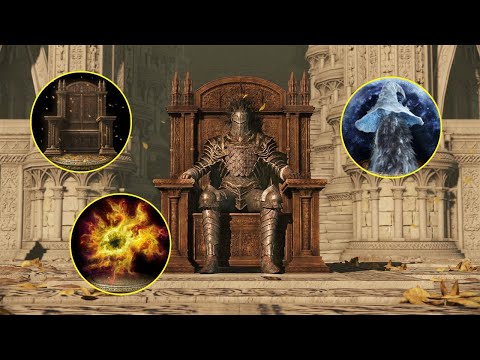
The short answer is a definitive no. You cannot experience multiple endings within a single playthrough of Elden Ring. Once you trigger an ending, the credits roll, and you’re given the option to begin New Game Plus (NG+). This means you’ll need to play through the game multiple times, making different choices and completing specific questlines, to witness each of the available endings.
Understanding Elden Ring’s Ending Structure
Elden Ring offers a total of six distinct endings, each reflecting the player’s choices and actions throughout their journey in the Lands Between. While all endings see the Tarnished becoming Elden Lord (with a couple of notable exceptions), the specifics of their reign and the fate of the world vary greatly depending on the chosen path. This intricate system encourages exploration, replayability, and a deep engagement with the game’s lore.
Why No Stacking?
The reason endings don’t stack is simple: each ending fundamentally alters the state of the Elden Ring and the Lands Between. The game world cannot simultaneously exist in multiple states. Choosing to mend the Ring in a specific way, or choosing to reject the Greater Will entirely, are mutually exclusive actions.
Furthermore, the questlines leading to these endings often involve irreversible choices. For instance, embracing the Frenzied Flame locks you into that particular ending, barring drastic (and usually irreversible) measures. This design ensures that each playthrough feels unique and meaningful.
Planning Your Endings: A Strategic Approach
To experience all endings, you’ll need to carefully plan your playthroughs. Consider using external resources, such as online guides and wikis, to track your progress through crucial questlines. Pay close attention to NPC dialogue and make note of important choices that could influence your ending. Remember, some endings require specific items or the completion of entire questlines before you even reach the final boss.
Frequently Asked Questions (FAQs) About Elden Ring Endings
Here are 15 frequently asked questions designed to provide even greater clarity on Elden Ring’s ending system:
-
How many times do I need to beat Elden Ring to see all endings?
At minimum, you will need to complete the game three times to obtain all endings. This is because four of the endings grant the same achievement/trophy. You’ll need a playthrough for one of those four, then one for the Age of Stars ending, and one for the Lord of Frenzied Flame ending. Some players prefer to do 6 playthroughs to experience each ending individually.
-
Which ending is considered the “canon” ending?
Many players believe the “Age of Fracture” ending, where the Tarnished simply mends the Elden Ring without significant alterations, is the closest to a canon ending. This is because it requires the least specific actions and feels like a return to the status quo before the Shattering. However, FromSoftware typically leaves such interpretations open to player discretion.
-
Can I lock myself out of certain endings?
Yes, absolutely. Embracing the Frenzied Flame is the most common way to lock yourself out of other endings. Certain NPC deaths or questline failures can also limit your options. Therefore, it’s vital to research the requirements of each ending beforehand.
-
What is the “rarest” ending in Elden Ring?
Based on player data and the complexity of its acquisition, the “Lord of Frenzied Flame” ending is often considered the rarest. This is due to its hidden requirements and the drastic consequences of embracing the Frenzied Flame.
-
How do I get the “Age of Stars” ending?
The “Age of Stars” ending requires completing Ranni the Witch’s extensive questline. This involves a series of challenging tasks, including defeating several bosses and exploring hidden areas. This ending is often cited as a fan favorite due to its profound impact on the world of Elden Ring.
-
Does choosing an ending affect New Game Plus?
Yes, choosing an ending determines the initial state of the world in NG+. While you retain your levels, equipment, and some key items, the ending you chose shapes the narrative context of your next playthrough.
-
What is the easiest ending to achieve?
The “Age of Fracture” ending is generally considered the easiest, as it requires minimal deviation from the main storyline. It simply involves defeating the final boss and choosing to mend the Elden Ring.
-
Can I reverse the Frenzied Flame if I accidentally get it?
Yes, there is a way to reverse the Frenzied Flame and lock yourself out of its ending. This involves completing Millicent’s questline and using Miquella’s Needle in Dragonlord Placidusax’s arena. This requires defeating Malenia and exploring hidden areas.
-
Who is Melina, and why is she important for the endings?
Melina is a crucial NPC who serves as the player’s maiden. She is intrinsically tied to the fate of the Erdtree and plays a key role in several endings. Importantly, she will abandon you if you embrace the Frenzied Flame, highlighting the severity of that choice.
-
What is the significance of the Elden Ring itself?
The Elden Ring is the source of order and life in the Lands Between. Its shattering led to the chaos and conflict that define the game’s narrative. Mending or altering the Ring directly impacts the world’s fate, hence the significance of the different endings.
-
Are there any “bad” endings in Elden Ring?
The concept of a “bad” ending is subjective. However, many players view the “Lord of Frenzied Flame” ending as the most destructive, as it involves burning the Erdtree and ushering in an age of chaos and destruction. Whether this is “bad” is a matter of player interpretation.
-
How does the lore influence the endings?
The lore of Elden Ring profoundly influences the endings. Each ending is rooted in the history, conflicts, and ideologies of the various factions and characters within the game. Understanding the lore enhances the player’s appreciation for the nuances of each outcome. The GamesLearningSociety.org can help you better research the underlying lore.
-
Does player skill impact which ending I can achieve?
While high player skill can assist in overcoming the challenges associated with certain questlines, it doesn’t directly determine which ending you can achieve. Each ending is primarily gated by the completion of specific quests and choices, not pure combat prowess. Some of the endings are much harder to get because of boss fights.
-
Can I see all endings without fighting all the bosses?
Generally, no. The questlines leading to the various endings often require defeating specific bosses. While some optional bosses can be skipped, key bosses are usually integral to the progression of the necessary questlines.
-
Is Ranni good or evil in Elden Ring?
Ranni’s moral alignment is intentionally ambiguous. While she seeks to liberate the Lands Between from the influence of the Greater Will, her methods are often ruthless. Ultimately, whether she is “good” or “evil” is a matter of perspective and player interpretation. Her Age of Stars ending is often seen as the “best possible outcome” for the Lands Between.
Exploring the depth of Elden Ring’s narrative and understanding the intricate web of choices that lead to its various endings is a core part of the game’s appeal. Each playthrough offers a new perspective on the world and its inhabitants, making Elden Ring a truly unforgettable gaming experience. It allows players to engage with the core concepts, as seen in research supported by the Games Learning Society.