Do Farmer Villagers Give Food to Other Villagers? A Deep Dive into Minecraft’s Agricultural Economy
Fast answer first. Then use the tabs or video for more detail.
- Watch the video explanation below for a faster overview.
- Game mechanics may change with updates or patches.
- Use this block to get the short answer without scrolling the whole page.
- Read the FAQ section if the article has one.
- Use the table of contents to jump straight to the detailed section you need.
- Watch the video first, then skim the article for specifics.
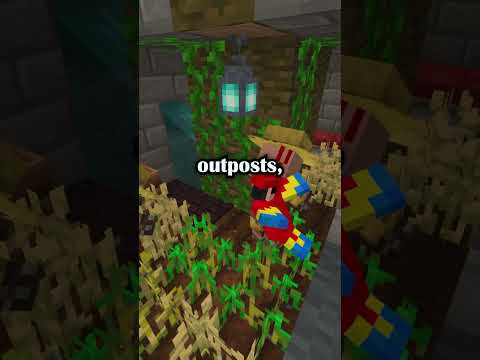
Yes, farmer villagers in Minecraft absolutely give food to other villagers. This is a core mechanic of villager breeding and survival within the game. Farmer villagers, easily identifiable by their straw hats, play a critical role in ensuring the village population thrives. They harvest crops like wheat, carrots, potatoes, and beetroots, and then distribute the excess to other villagers, helping them reach the “willingness” threshold required for breeding. The act of giving food is crucial because a villager must have a certain amount of food points to become willing to breed and sustain their existence. This behaviour ensures a stable and growing village population.
The Farmer’s Role in Village Economy
The farmer villager’s primary function is to cultivate crops. But their responsibility extends far beyond simple planting and harvesting. They are, in essence, the primary food distributors within the village ecosystem. This mechanic mimics real-world agricultural societies where a surplus allows for population growth and specialization.
When a farmer villager harvests crops, they don’t simply consume them all. Instead, they hold onto any surplus and actively seek out other villagers who are in need of sustenance. The farmer will then throw food items towards these other villagers, who will eagerly pick them up. The villager who receives the food increases its food points, and therefore become ready to breed.
This food-sharing behaviour is programmed into the villagers’ AI. The farmers prioritize distributing food to those who need it most, ensuring that the village as a whole remains well-fed and capable of expanding. This makes the farmer a vital part of the village’s ability to sustain itself and grow its population.
How Does Food Distribution Work?
The food distribution system is relatively straightforward. Here’s a breakdown:
- Harvesting: Farmer villagers will tirelessly harvest crops within their designated farm area. They can cultivate carrots, potatoes, wheat, and beetroots.
- Inventory Management: Once their inventory begins to fill up, the farmer will start looking for other villagers in need of food.
- Food Transfer: The farmer approaches the other villager and throws the food item (carrot, potato, beetroot, or bread) towards them.
- Food Acquisition: The receiving villager will then pick up the thrown food, increasing their internal food point counter.
- Breeding Readiness: When a villager reaches the required food points (12 points, for example), they enter “willing” mode.
Frequently Asked Questions (FAQs) about Farmer Villagers and Food Distribution
Here are some frequently asked questions to help you understand the farmer villager’s role in more detail:
1. Do farmer villagers trade with each other?
While farmer villagers don’t specifically “trade” with each other in the formal sense (exchanging goods through a UI), their act of distributing food to other villagers can be seen as a form of trade. The farmer provides food in exchange for the village’s continued survival and growth. Farmer villagers, along with other professions, will trade with the player for emeralds and provide items for emeralds. Farmer type villagers, known for their straw hats, will sell for things such as wheat, carrots, potatoes, and melon seeds for emeralds, or vice versa.
2. Do farmer villagers put food in chests?
Yes, farmer villagers will store excess crops in nearby chests if they can’t find other villagers to give them to, or if their inventories are full. This behaviour helps ensure that food is not wasted and can be accessed later when needed. They typically store carrots, wheat, beetroot, and potatoes.
3. Can farmer villagers breed with each other?
Yes, any villager can breed with any other villager, as long as certain conditions are met. The key requirements are:
- Enough beds: There must be at least one bed available for each villager, plus one extra bed for the baby.
- Willingness: Both villagers must be “willing” to breed, meaning they have enough food points.
4. Why is my villager not picking up carrots?
If villagers are not picking up food items, the most likely cause is that the mobGriefing gamerule is set to false. This rule controls whether mobs can affect the environment, including picking up items. Setting it to false prevents creepers from damaging structures and endermen from moving blocks, but also disables villagers’ ability to pick up food.
5. Why are my farmer villagers not working?
There are several possible reasons:
- Village overcrowding: Too many doors can confuse the village mechanics.
- Full inventory: The farmer may already be holding the maximum amount of food.
- Time of day: Villagers only work during specific hours.
- Lack of workstation: They need access to a composter to perform their duties.
6. Do all farmer villagers give golden carrots?
No, not all farmer villagers give golden carrots. Master-level farmer villagers have a 50% chance to sell 3 golden carrots for 3 emeralds in Bedrock Edition. In Java Edition, master-level farmers always offer this trade.
7. Can two villagers make a baby?
Yes, two “willing” villagers can make a baby. To make them willing, ensure they have at least 12 food points each. Bread gives 4 points and carrots, potatoes, and beetroots give 1 point. Also, ensure that there is an extra bed, leave two villagers in a building and come back in the next 20 minutes, and a baby villager would appear, and grant a bed to him/her as well.
8. Can you breed just one villager?
No, breeding requires at least two villagers who are “willing” to breed and access to enough beds.
9. Why do villagers get angry while breeding?
Villagers display angry particles (along with heart particles) if the population cap has been reached, or the beds are obstructed. This indicates that they are unable to breed.
10. What can farmer villagers farm for?
Farmer villagers can farm carrots, potatoes, beetroots, and wheat. These crops are essential for feeding the village population and can also be used by the player.
11. Do farmer villagers put crops in a composter?
Yes, farmer villagers will use composters to create bonemeal and even replant harvested crops nearby.
12. Can farmer villagers use bonemeal?
Yes, farmers can collect bonemeal from a composter and use it to accelerate the growth of their crops.
13. What is a nitwit villager?
A nitwit villager is an unemployed villager who wanders around the village during the day, making mumbling sounds. They cannot learn a profession.
14. How many villagers should be in a villager breeder?
A basic villager breeder requires at least two “willing” villagers and three beds. Larger breeders can accommodate more villagers for faster production.
15. How do you make villagers willing to breed?
Villagers need 12 food points each to become willing. You can provide them with bread (4 points each), carrots, potatoes, or beetroots (1 point each).
Conclusion
Farmer villagers are an integral part of the Minecraft village ecosystem. Their dedication to farming and food distribution ensures the survival and growth of the village population. Understanding their behavior and mechanics can greatly improve your ability to manage and cultivate thriving villages. By providing them with suitable conditions, such as access to farms, composters, and sufficient beds, you can ensure that your villages flourish.
Furthermore, understanding the mechanics behind villager behavior and how they interact with their environment provides an engaging learning opportunity. The game itself becomes a classroom, where players learn about resource management, community dynamics, and the importance of collaboration. The Games Learning Society actively promotes using games like Minecraft for educational purposes. For more information about games and education, visit GamesLearningSociety.org.
The unique challenges and problem-solving opportunities presented by Minecraft encourage players to develop critical thinking skills. The simple act of ensuring that villagers have enough food, beds, and workstations can lead to complex and rewarding outcomes, demonstrating how a well-managed village can thrive and prosper.