Do Video Game Players Have Faster Reaction Times Than Non-Players? Decoding the Gamer Reflex
Fast answer first. Then use the tabs or video for more detail.
- Watch the video explanation below for a faster overview.
- Game mechanics may change with updates or patches.
- Use this block to get the short answer without scrolling the whole page.
- Read the FAQ section if the article has one.
- Use the table of contents to jump straight to the detailed section you need.
- Watch the video first, then skim the article for specifics.
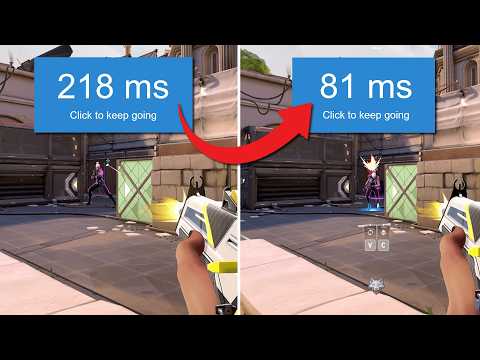
The short answer is a resounding yes, generally speaking, video game players tend to exhibit faster reaction times than their non-gaming counterparts. However, the story is much more nuanced than a simple “gamers are faster” conclusion. Years of research reveal a complex interplay of factors – from brain plasticity and attentional resources to specific game genres and training regimens – that contribute to the enhanced reflexes observed in many gamers. So, while the quick-draw skills of a seasoned gamer are often impressive, understanding the underlying science is crucial for appreciating the full picture.
Unpacking the Science Behind the Gamer Advantage
What makes gamers so quick on the draw? It’s not magic; it’s a fascinating combination of neurological adaptations and learned behaviors. Here are some key factors at play:
-
Enhanced Attentional Resources: Video games, particularly action-packed ones, demand constant vigilance and the ability to rapidly switch attention between multiple stimuli. This constant mental exercise strengthens attentional networks in the brain, allowing gamers to process information more efficiently and react more quickly to changing situations. One study showed that video gamers are 12% faster and more accurate under reaction-time test conditions compared to non-gamers, possibly due to these increased attentional resources.
-
Brain Plasticity: Our brains are remarkably adaptable. Engaging in activities like video gaming can physically alter brain structure and function. Research suggests that gamers have increased gray matter in areas associated with visuomotor processing, decision-making, and attention. This increased connectivity translates to faster neural pathways and improved response times. Gamers may even have more nerve fibres connecting the parietal and occipital areas of the brain, regions crucial for spatial awareness and visual processing.
-
Visuomotor Coordination: Many video games require precise coordination between what you see and how you react. This constant practice hones visuomotor skills, leading to improved eye-hand coordination and faster reflex responses. Think about aiming in a first-person shooter or executing complex combos in a fighting game; these actions require split-second timing and precise movements.
-
Decision-Making Speed and Accuracy: Faster reaction times aren’t just about twitch reflexes; they also involve quicker decision-making. Studies show that action game players can make decisions up to 25% faster than strategy game players, while maintaining the same level of accuracy. This suggests that action games train the brain to rapidly assess situations and choose the optimal course of action.
-
Increased Contrast Sensitivity: Some research indicates that video gaming can enhance contrast sensitivity, which is the ability to distinguish between subtle differences in brightness. This is particularly beneficial in low-light conditions, such as night driving, where vision is crucial.
The Role of Game Genre and Training
Not all video games are created equal when it comes to improving reaction time. Action-packed games that require rapid responses and precise timing tend to be more effective than slower-paced strategy or puzzle games. Furthermore, the amount of time spent gaming and the intensity of the gameplay also play a significant role. Just like any skill, reaction time can be improved through consistent practice and training. Professional gamers, who dedicate countless hours to honing their skills, often exhibit reaction times that are significantly faster than the average gamer. The average reaction time of a talented gamer is 150 ms according to Nvidia.
A Word of Caution: Potential Downsides
While the benefits of gaming on reaction time are well-documented, it’s important to acknowledge potential downsides. Excessive gaming can lead to issues such as eye strain, sleep deprivation, and social isolation. It’s crucial to maintain a balanced lifestyle and practice responsible gaming habits. Oxford University believes that 1 hour of gaming every day is better than no gaming at all when discussing personal well-being and mental health.
Frequently Asked Questions (FAQs) About Gaming and Reaction Time
Here are some common questions about the relationship between video games and reaction time:
What is the average reaction time, and how do gamers compare?
The average reaction time to a visual stimulus is around 250 milliseconds. Trained individuals can often achieve times of 190-200 ms. Talented gamers can reach average reaction times of 150 ms, according to Nvidia.
Do video games actually cause faster reaction times?
Research strongly suggests a causal link. Studies comparing gamers and non-gamers consistently show that gamers perform better on reaction time tests, and longitudinal studies have demonstrated that playing video games can improve reaction time over time.
Which types of video games are most effective for improving reaction time?
Action games, such as first-person shooters, fighting games, and real-time strategy games, are generally considered the most effective for improving reaction time. These games require quick decision-making and precise movements, which help to train the brain and nervous system.
Does age affect the impact of video games on reaction time?
Yes, age plays a role. While gaming can improve reaction time at any age, the benefits may be more pronounced in younger individuals due to greater brain plasticity. After studying 3,305 people ages 16 to 44, researchers found that the brain’s response time begins to decline at age 24.
Can playing video games improve other cognitive skills besides reaction time?
Absolutely! Studies have shown that video games can enhance a variety of cognitive skills, including attention, memory, spatial reasoning, and problem-solving.
Is there a limit to how much reaction time can be improved through gaming?
Yes, there is likely a limit. While training can significantly improve reaction time, there are inherent physiological constraints that prevent individuals from reacting instantaneously. Most people seem to be hard capped at around 190-200 ms with training.
Are there any negative side effects associated with excessive gaming?
Yes, excessive gaming can lead to issues such as eye strain, sleep deprivation, carpal tunnel syndrome, and social isolation. It’s important to practice responsible gaming habits and maintain a balanced lifestyle.
What is considered a good reaction time for gaming?
The average gamer has a reaction time of around 300-500ms, whereas most professional gamers react faster than 200ms.
Do gamers have an advantage in real-world situations that require quick reflexes?
Potentially, yes. The improved reaction time and cognitive skills gained from gaming can translate to benefits in various real-world situations, such as driving, sports, and emergency situations. Video games can also lead to enhanced eye-hand coordination and reflex responses.
Do video games lead to adrenaline rush?
Yes. Many video games are action packed and intense, and this excitement triggers the production of adrenalin. It’s a natural reaction to help us react faster to situations of perceived danger.
Is 170 ms a good reaction time?
Yes. The average reaction time to visual stimulus is around 250 milliseconds, and most people seem to be hard capped at around 190-200 ms with training.
What is the fastest a human can react?
The fastest possible conscious human reactions are around 0.15 s, but most are around 0.2 s.
Do people with higher IQ have faster reflexes?
Both simple and choice reaction time are strongly correlated with IQ. The correlation increases with age.
Are gamers better in bed than non-gamers?
The researchers found that while gamers and non-gamers showed no difference in erectile and orgasmic function, gamers were less likely to report premature ejaculation than non-gamers.
Do gamers have better social skills?
It’s emotionally rewarding, and helps kids feel more connected to others. So if playing prosocial games increases these opportunities, that’s a good thing. It might give kids a little boost in the direction of developing better social skills.
The Future of Gaming and Cognitive Enhancement
As technology continues to evolve, the potential for video games to enhance cognitive abilities, including reaction time, is only likely to increase. Emerging technologies like virtual reality and augmented reality offer even more immersive and engaging gaming experiences that could further stimulate brain plasticity and improve cognitive performance. It’s important that we continue to research the effects of gaming and promote responsible gaming habits to maximize the benefits and minimize the risks. The Games Learning Society fosters this kind of research and is a valuable resource for learning more about the positive impacts of games: https://www.gameslearningsociety.org/.
In conclusion, while the generalization “gamers have faster reaction times” holds water, it’s essential to appreciate the complexities involved. Gaming’s influence extends beyond mere reflexes, touching on decision-making, attentional resources, and brain adaptability. By understanding these nuances, we can better harness the power of games for cognitive enhancement while promoting responsible and balanced gaming habits.