Do Video Games Benefit Kids? Unveiling the Truth Behind the Screen
Fast answer first. Then use the tabs or video for more detail.
- Watch the video explanation below for a faster overview.
- Game mechanics may change with updates or patches.
- Use this block to get the short answer without scrolling the whole page.
- Read the FAQ section if the article has one.
- Use the table of contents to jump straight to the detailed section you need.
- Watch the video first, then skim the article for specifics.
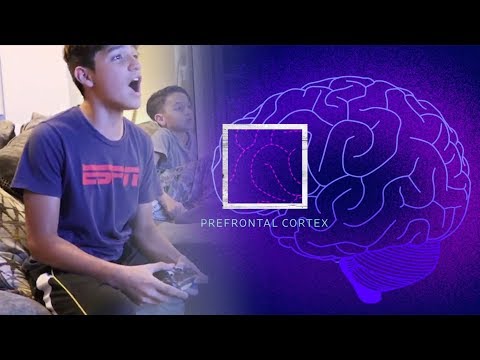
Absolutely, video games can benefit kids, and the evidence is increasingly compelling. However, it’s not a simple “yes” or “no” answer. Like most things in life, moderation, age-appropriateness, and game selection are crucial. When these factors are considered, video games can offer a surprising range of cognitive, social, and even emotional benefits for children. This isn’t just anecdotal; robust research is starting to paint a more nuanced picture of the relationship between gaming and child development, suggesting that, when approached thoughtfully, video games can be a powerful tool for learning and growth.
The Upsides: Cognitive and Academic Advantages
Enhanced Cognitive Skills
One of the most frequently cited benefits of video games is their potential to improve cognitive function. Studies have shown that gamers often exhibit enhanced attention spans, improved problem-solving abilities, and faster reaction times. This isn’t just about twitch reflexes; many games require strategic thinking, planning, and the ability to adapt to changing circumstances. These are valuable skills that translate well into academic settings and real-world scenarios.
- Memory and Impulse Control: Research indicates that children who play video games, especially those requiring strategic thinking and planning, demonstrate better performance on tasks associated with memory and impulse control.
- Brain Activity: Games can stimulate specific areas of the brain, particularly those involved in working memory, reaction time, problem-solving, and attention. Increased activity in the frontal brain regions, associated with cognitively demanding tasks, is also observed.
- Visual Processing Efficiency: Some studies suggest that frequent video game play can lead to more efficient visual processing, as the brain adapts to the demands of rapidly changing visual information.
Improved Academic Performance?
While the direct link between video games and academic performance is complex and debated, some studies suggest a positive correlation. Games can reinforce skills learned in the classroom, such as math, reading comprehension, and even history. Educational games, in particular, are designed to make learning fun and engaging, potentially boosting a child’s interest in specific subjects. The Games Learning Society (https://www.gameslearningsociety.org/) explores these connections deeply, researching how games can be leveraged for effective learning.
- IQ Increase: A study indicated children who played video games increased their intelligence by approximately 2.5 IQ points more than the average.
Social and Emotional Growth Through Gaming
Teamwork and Collaboration
Many modern video games, especially those with multiplayer modes, encourage teamwork and collaboration. Players must learn to communicate effectively, coordinate strategies, and rely on each other to achieve common goals. This can foster valuable social skills, such as cooperation, empathy, and conflict resolution. These experiences help children learn to navigate social dynamics and build stronger relationships.
Emotional Regulation and Stress Relief
Video games can provide a healthy outlet for emotional expression and stress relief. The immersive nature of games allows children to escape from the pressures of daily life and engage in activities they find enjoyable and rewarding. Achieving goals within a game can also boost self-esteem and confidence. However, it’s crucial to monitor the types of games children play and ensure they’re not relying on gaming as a sole coping mechanism.
Creativity and Imagination
Many games encourage creativity and imagination. From building virtual worlds in Minecraft to designing characters and stories in role-playing games, children can express themselves creatively and explore their imagination. These experiences can spark new interests and passions, potentially leading to further creative pursuits outside of the gaming world.
Addressing the Concerns: Potential Downsides and Mitigation Strategies
Addiction and Excessive Screen Time
One of the biggest concerns surrounding video games is the potential for addiction and excessive screen time. Spending too much time gaming can lead to neglect of other important activities, such as schoolwork, social interactions, and physical exercise. Parents need to establish clear time limits and encourage a balanced lifestyle that includes a variety of activities. The American Academy of Pediatrics (AAP) provides guidelines for screen time based on age.
- AAP Recommendations: The AAP recommends under 60 minutes on school days and 2 hours on non-school days for kids over the age of 6. Kids under 6 should spend closer to 30 minutes.
Negative Impact on Mental Health
While video games can provide stress relief, excessive gaming can also contribute to mental health issues, such as anxiety, depression, and social isolation. Exposure to violent content in certain games can also have a negative impact on children’s emotional well-being. Parents should carefully monitor the games their children play and ensure they are age-appropriate and free from harmful content. It is important to have regular conversations with children about their gaming experiences and address any concerns they may have.
- Potential Mental Health Issues: Excessive screen time can lead to addiction, loss of focus, and mental health issues such as stress and anxiety.
Physical Health Concerns
Spending long hours sitting in front of a screen can contribute to physical health problems, such as obesity, eye strain, and carpal tunnel syndrome. It’s important to encourage children to take regular breaks from gaming, stretch, and engage in physical activity. Ergonomic considerations, such as proper posture and adequate lighting, can also help to minimize the risk of physical health issues.
- Importance of Breaks: Frequent use of computer games increases a child’s risk of obesity if excessive game time replaces active play.
Finding the Balance: Tips for Responsible Gaming
- Set Clear Time Limits: Establish daily or weekly time limits for gaming and stick to them.
- Choose Age-Appropriate Games: Carefully select games that are appropriate for your child’s age and maturity level.
- Monitor Content: Pay attention to the content of the games your child is playing and ensure they are free from violence, graphic content, and inappropriate themes.
- Encourage Physical Activity: Make sure your child is getting enough physical activity outside of gaming.
- Promote Social Interaction: Encourage your child to socialize with friends and family in real life.
- Open Communication: Talk to your child about their gaming experiences and address any concerns they may have.
- Lead by Example: Model responsible screen time habits for your child.
- Make it a Family Activity: Play games with your child to understand their interests and create shared experiences.
- Utilize Parental Controls: Take advantage of parental control features on gaming consoles and devices to restrict access to inappropriate content and manage screen time.
- Focus on Educational Games: Incorporate educational games into your child’s gaming routine to reinforce learning and development.
FAQs: Your Burning Questions Answered
1. What age is appropriate to start playing video games?
Warren Buckleitner, editor of Children’s Technology Review, suggests introducing digital media at 2 1/2 years old, although some kids aren’t ready until they’re older.
2. How long should my child play video games each day?
For kids over the age of 6, the American Academy of Pediatrics recommends no more than 60 minutes on school days and 2 hours on non-school days. Kids under 6 should spend closer to 30 minutes.
3. Are violent video games harmful to children?
Exposure to violent video games can have negative effects on children, including increased aggression, desensitization to violence, and a higher risk of engaging in aggressive behavior.
4. Can video games improve my child’s intelligence?
Some studies suggest that video games can improve cognitive skills such as memory, attention, and problem-solving, which can contribute to overall intelligence. The results of one study showed that children who played video games above the average increased their intelligence by approximately 2.5 IQ points more than the average.
5. What are the benefits of playing video games with my child?
Playing games with your child can improve their abilities to plan, organize, get along with others, and regulate emotions. It can also help with language, math, and social skills, and even helps children cope with stress.
6. Do video games cause addiction?
Excessive gaming can lead to addiction in some individuals, particularly those with underlying mental health issues. It’s important to monitor your child’s gaming habits and seek professional help if you suspect they may be addicted.
7. What are the signs of video game addiction?
Signs of video game addiction include spending excessive time gaming, neglecting other activities, experiencing withdrawal symptoms when not gaming, and lying about gaming habits.
8. How can I prevent video game addiction?
Set clear time limits for gaming, encourage a balanced lifestyle, monitor the games your child is playing, and have open conversations about gaming habits.
9. Are there any positive effects of video games on mental health?
Gaming, when used positively, can be a helpful way to look after mental health. It can give us a space to unwind, relax, and take time out from the pressures of daily life – just like reading can, or going for a walk.
10. What types of video games are best for children?
Choose games that are age-appropriate, educational, and promote positive values. Avoid games with graphic violence, sexual content, or other inappropriate themes.
11. Do video games improve problem-solving skills?
Yes, many video games require strategic thinking, planning, and problem-solving skills. These skills can transfer to other areas of life, such as academics and work.
12. Can video games help with social skills?
Multiplayer video games can encourage teamwork, communication, and cooperation, which can improve social skills.
13. Are there any video games that can help children with learning disabilities?
Yes, some video games are designed to help children with learning disabilities improve their cognitive and academic skills.
14. How can I ensure my child is playing video games safely?
Monitor the games your child is playing, set clear time limits, encourage a balanced lifestyle, and have open conversations about gaming habits.
15. Where can I find more information about the benefits and risks of video games?
You can find more information about the benefits and risks of video games from reputable sources such as the American Academy of Pediatrics, the GamesLearningSociety.org, and academic journals.
The Takeaway: Embrace the Potential, Manage the Risks
Video games offer a complex mix of potential benefits and risks for children. By understanding these factors and taking a proactive approach to responsible gaming, parents can help their children harness the power of video games for learning, growth, and enjoyment. It’s about striking a balance and ensuring that gaming is a positive and enriching experience, not a source of harm or addiction. By embracing the potential and managing the risks, we can unlock the true power of video games for the next generation.