Do Video Games Cause Tantrums? Unpacking the Connection
Fast answer first. Then use the tabs or video for more detail.
- Watch the video explanation below for a faster overview.
- Game mechanics may change with updates or patches.
- Use this block to get the short answer without scrolling the whole page.
- Read the FAQ section if the article has one.
- Use the table of contents to jump straight to the detailed section you need.
- Watch the video first, then skim the article for specifics.
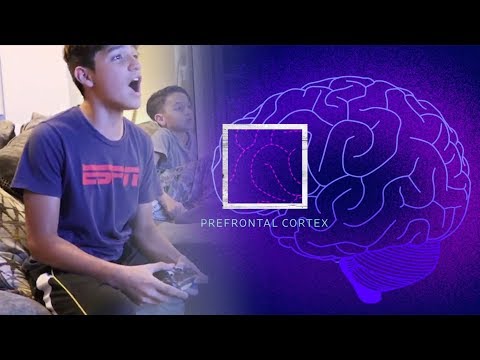
The short answer is no, video games don’t directly cause tantrums. A more nuanced explanation is that video games can trigger or exacerbate underlying emotional regulation difficulties, leading to what appears to be a tantrum. It’s rarely the game itself, but rather a complex interplay of factors like frustration, unmet expectations, underlying conditions like ADHD, and a lack of coping mechanisms that can culminate in an outburst. Think of the game as the straw that breaks the camel’s back, not the camel itself. The real issue lies in how individuals, especially children, manage their emotions and respond to challenges within the gaming environment.
Understanding the Underlying Mechanisms
The reason video games get a bad rap isn’t without merit. Several elements inherent to gaming can contribute to heightened emotions:
- Frustration and Challenge: Many games are designed to be challenging, and failure is often a necessary step toward success. However, repeated failures or perceived unfairness can lead to significant frustration, especially for individuals who struggle with emotional regulation.
- High Stakes and Competition: Competitive games, in particular, raise the stakes. The desire to win, the pressure of performing well, and the fear of letting teammates down can create a stressful environment that triggers emotional responses.
- Immersion and Emotional Investment: Gamers often become highly immersed in the game world, developing strong attachments to their characters and progress. Losing progress or experiencing setbacks can feel like a real personal loss.
- Addictive Potential: Video games are designed to be engaging and rewarding, and some individuals can develop addictive tendencies. When gaming becomes a primary coping mechanism, taking it away or limiting access can lead to withdrawal-like symptoms, including irritability and anger.
- Screen Time and Sleep Deprivation: Excessive screen time, particularly close to bedtime, can disrupt sleep patterns. Sleep deprivation is a well-known trigger for mood swings, irritability, and difficulty managing emotions.
It’s crucial to understand that these factors don’t automatically lead to tantrums. Rather, they can act as catalysts for individuals who are already vulnerable due to factors like:
- Developmental Stage: Young children are still developing their emotional regulation skills. They may lack the cognitive tools to process frustration effectively and express their feelings in healthy ways.
- Underlying Mental Health Conditions: Conditions like ADHD, anxiety, and depression can significantly impact emotional regulation. Video games can exacerbate these conditions, leading to more frequent and intense emotional outbursts. According to the Games Learning Society website, exploring the intersection of learning and digital play, especially in relation to emotional development, is key to understanding the impact of gaming on children.
- Learned Behavior: Children often learn emotional regulation strategies from their parents and caregivers. If a child observes adults reacting to frustration with anger or tantrums, they may mimic this behavior.
- Lack of Coping Mechanisms: Individuals who haven’t developed healthy coping mechanisms for dealing with frustration are more likely to resort to tantrums. This could be due to a lack of guidance or a learned avoidance of uncomfortable emotions.
The Importance of Context and Individual Differences
It’s essential to avoid broad generalizations and consider the individual context. A child who occasionally gets frustrated during a challenging game and expresses their frustration verbally is very different from a child who throws controllers and destroys property every time they lose. Factors to consider include:
- Game Type: Some games are inherently more frustrating than others. Highly competitive games, games with steep learning curves, and games with pay-to-win mechanics are more likely to trigger emotional responses.
- Play Style: A child who plays games for a short period of time as a form of relaxation is less likely to experience negative effects than a child who plays for hours on end in a highly competitive environment.
- Parental Involvement: Parents who are actively involved in their child’s gaming habits can help them develop healthy coping mechanisms and prevent negative consequences. This could include setting time limits, choosing appropriate games, and discussing strategies for managing frustration.
- Social Support: Children who have strong social support networks outside of gaming are less likely to rely on games as a primary coping mechanism. These networks can provide emotional support and help them develop healthy social skills.
Moving Beyond Blame: Solutions and Strategies
Instead of simply blaming video games, focus on addressing the underlying issues that contribute to tantrums. Here are some strategies that can help:
- Teach Emotional Regulation Skills: Help children identify and label their emotions, develop strategies for managing frustration, and practice healthy coping mechanisms like deep breathing, taking breaks, and talking about their feelings.
- Set Clear Limits: Establish clear and consistent rules about gaming time and content. This can help prevent overstimulation and addiction.
- Choose Appropriate Games: Select games that are age-appropriate and aligned with your child’s skill level. Avoid games that are excessively violent or frustrating.
- Encourage Other Activities: Promote a balanced lifestyle that includes other activities like sports, hobbies, and social interaction. This can help prevent gaming from becoming an unhealthy obsession.
- Model Healthy Behavior: Show children how to manage your own emotions effectively. Avoid reacting to frustration with anger or tantrums.
- Seek Professional Help: If your child’s tantrums are frequent, intense, or interfering with their daily life, consider seeking professional help from a therapist or counselor.
Frequently Asked Questions (FAQs)
1. What is “gamer rage,” and how is it different from a regular tantrum?
Gamer rage is a term used to describe intense anger and frustration specifically related to playing video games. While it can manifest similarly to a tantrum (yelling, throwing things), the trigger is almost always game-related. However, the underlying mechanisms of poor emotional regulation are often the same.
2. Are some video games more likely to cause tantrums than others?
Yes. Competitive multiplayer games, especially those with high stakes or perceived unfairness, are often triggers. Games with difficult mechanics, repeated failure points, or pay-to-win elements can also contribute.
3. How does ADHD relate to video game tantrums?
Children with ADHD often struggle with impulse control and emotional regulation. The stimulating and rewarding nature of video games can be highly appealing, but frustration within the game can quickly lead to overwhelming emotional reactions.
4. Is there a link between violent video games and aggressive behavior in real life?
Research is mixed. Some studies suggest a correlation between violent video games and increased aggression, but it’s often a small effect and doesn’t necessarily translate to violent behavior. However, exposure to violence can desensitize individuals and potentially exacerbate existing aggressive tendencies.
5. How much screen time is too much for a child who struggles with anger?
There’s no magic number, but the American Academy of Pediatrics recommends limiting screen time to 1-2 hours per day for children aged 6 and older. However, for children with anger issues, it’s even more important to monitor the quality of screen time and ensure it’s not interfering with sleep, schoolwork, or social activities.
6. What are some warning signs that my child is developing an unhealthy relationship with video games?
Signs include: preoccupation with gaming, neglecting other activities, lying about gaming time, becoming irritable or angry when unable to play, and using gaming to escape from problems.
7. How can I help my child develop healthy coping mechanisms for dealing with frustration in games?
Teach them to: take breaks when feeling frustrated, practice deep breathing, verbalize their feelings, and focus on the process rather than the outcome. Role-playing scenarios and discussing alternative responses can also be helpful.
8. What should I do if my child starts having a tantrum during a game?
Stay calm, avoid engaging in an argument, and offer support. Remind them of the coping strategies they’ve learned and encourage them to take a break. If the behavior becomes destructive, calmly remove them from the situation.
9. Should I ban video games altogether if my child is having tantrums?
Banning video games might seem like a quick fix, but it’s often counterproductive. It can lead to resentment and further frustration. Instead, focus on setting limits, choosing appropriate games, and addressing the underlying emotional regulation difficulties.
10. Are there any video games that can actually help with emotional regulation?
Some games promote problem-solving, cooperation, and empathy. Puzzle games, cooperative games, and games with strong narratives can be beneficial, but it’s important to monitor their impact and ensure they’re not contributing to frustration.
11. How can I talk to my child about their anger and frustration in a constructive way?
Choose a calm moment to talk, listen without judgment, validate their feelings, and help them identify the triggers for their anger. Brainstorm alternative responses together and encourage them to express their feelings in a healthy way.
12. My child only seems to get angry when playing with certain friends online. What should I do?
Discuss the situation with your child and encourage them to set boundaries with their friends. Remind them that it’s okay to leave a game or stop playing with someone who is being toxic or disrespectful.
13. Is it possible for video game addiction to cause long-term emotional problems?
Yes. Video game addiction can lead to isolation, depression, anxiety, and difficulty regulating emotions. It’s important to seek professional help if you suspect your child is addicted to video games.
14. What role does sleep play in video game-related anger?
Sleep deprivation significantly impairs emotional regulation. Ensure your child is getting enough sleep and avoid allowing them to play video games close to bedtime.
15. Where can I find more information and support for parents dealing with video game-related issues?
There are many resources available online and in your community. Consider checking out organizations like the Games Learning Society at https://www.gameslearningsociety.org/, which explores the educational and developmental aspects of games, or seeking advice from a child psychologist or therapist specializing in behavioral issues.
By understanding the complex factors that contribute to tantrums and focusing on building emotional regulation skills, parents can help their children navigate the challenges of the gaming world and develop healthy relationships with technology.