Do Video Games Help Kids Relieve Stress? The Surprising Benefits and Potential Drawbacks
Fast answer first. Then use the tabs or video for more detail.
- Watch the video explanation below for a faster overview.
- Game mechanics may change with updates or patches.
- Use this block to get the short answer without scrolling the whole page.
- Read the FAQ section if the article has one.
- Use the table of contents to jump straight to the detailed section you need.
- Watch the video first, then skim the article for specifics.
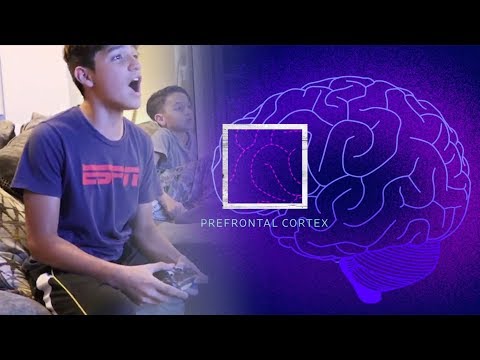
The short answer is: yes, video games can help kids relieve stress under the right circumstances and in moderation. However, it’s not a simple “yes” or “no” answer. The relationship between video games and stress relief in children is complex and depends on several factors, including the type of game, the child’s personality, and the amount of time spent playing. When approached thoughtfully, video games can serve as a healthy coping mechanism, but excessive or inappropriate gaming can exacerbate stress and other mental health challenges.
Understanding the Connection Between Video Games and Stress
Video games offer a unique combination of engagement, challenge, and reward that can be particularly appealing to children dealing with stress. They provide an escape from the pressures of school, social interactions, or family life, allowing kids to immerse themselves in a different world where they have control and agency. This sense of control can be incredibly empowering, especially for children who feel overwhelmed or helpless in their everyday lives.
One key mechanism through which video games reduce stress is the release of dopamine. Dopamine is a neurotransmitter associated with pleasure and reward. When children overcome challenges or achieve goals in a game, their brains release dopamine, creating a sense of accomplishment and well-being. This can help to counteract the negative effects of stress and anxiety.
Furthermore, many video games promote a “flow state,” a state of deep immersion and concentration where individuals become completely absorbed in the activity at hand. This flow state can be highly therapeutic, similar to meditation, as it allows children to temporarily forget about their worries and focus on the present moment. GamesLearningSociety.org offers insights into the educational and psychological aspects of gaming.
However, it’s vital to acknowledge that not all video games are created equal. Highly competitive or violent games can actually increase stress and anxiety, especially if a child is already prone to aggression or has difficulty regulating their emotions. It is, therefore, crucial to carefully consider the content of the game and the child’s individual needs and personality.
Potential Drawbacks and Moderation
While video games can be beneficial for stress relief, it is essential to maintain a healthy balance and avoid excessive gaming. Spending too much time playing video games can lead to:
- Social isolation: Replacing real-life interactions with virtual ones can negatively impact a child’s social development and lead to feelings of loneliness.
- Sleep disturbances: The blue light emitted from screens and the stimulating nature of video games can interfere with sleep patterns, leading to fatigue and irritability.
- Physical health problems: Prolonged sitting and lack of physical activity can contribute to obesity, eye strain, and other health issues.
- Increased aggression: Exposure to violent video games has been linked to increased aggression and desensitization to violence, particularly in children who are already vulnerable.
Therefore, setting age-appropriate time limits for video game play is crucial. The American Academy of Pediatrics recommends no more than one hour of screen time per day for children aged 2-5 and limiting screen time for older children and teenagers, encouraging them to engage in other activities such as sports, hobbies, and social interactions.
It’s also important for parents to monitor the content of the games their children are playing and to have open conversations about the potential risks and benefits of gaming. By fostering a healthy and balanced approach to video games, parents can help their children reap the benefits of stress relief without succumbing to the potential drawbacks. The Games Learning Society at https://www.gameslearningsociety.org/ has valuable information about the positive uses of gaming.
15 Frequently Asked Questions (FAQs) About Video Games and Stress Relief in Kids
1. Can video games actually help reduce anxiety in children?
Yes, studies suggest video games can act as distractions from stressors and psychological trauma, helping to refocus a child’s mind during anxious moments. The key is to choose games that are calming and engaging, rather than competitive or stressful.
2. What types of video games are best for stress relief?
Games that promote relaxation, problem-solving, and creativity are often the most effective for stress relief. Examples include puzzle games, simulation games, and open-world exploration games. Games with a strong social component can also be beneficial, as long as they foster positive interactions.
3. How much time should my child spend playing video games each day?
For kids over the age of 6, it’s generally recommended to limit video game time to no more than 60 minutes on school days and 2 hours on non-school days. Younger children should spend even less time, closer to 30 minutes.
4. Are there any video games specifically designed to help with anxiety or ADHD?
Yes, there are serious video games made for health or educational purposes that can improve ADHD symptoms and help people stick with treatment. One such game is EndeavorRx, available by prescription for children ages 8–12 with ADHD.
5. How can I tell if my child is playing video games too much?
Signs of excessive gaming include neglecting responsibilities, social isolation, sleep disturbances, irritability, and withdrawal symptoms when gaming is restricted.
6. What are the potential negative effects of excessive video game play?
Excessive gaming can lead to social isolation, sleep disturbances, physical health problems (e.g., obesity, eye strain), increased aggression, and difficulties with emotional regulation.
7. Can video games improve my child’s cognitive skills?
Yes, some studies have shown that certain video games can improve hand-eye coordination, problem-solving skills, attention span, and the mind’s ability to process information.
8. How can I encourage my child to take breaks from video games?
Set clear time limits for gaming and encourage your child to engage in other activities, such as sports, hobbies, and social interactions. Create a schedule that balances screen time with other important aspects of life.
9. What should I do if my child is using video games as a way to escape negative emotions?
Address the underlying causes of the negative emotions. Talk to your child about their feelings and help them develop healthy coping mechanisms, such as exercise, mindfulness, or creative expression. If the problem persists, consider seeking professional help from a therapist or counselor.
10. Are violent video games harmful to children?
Exposure to violent video games has been linked to increased aggression and desensitization to violence, particularly in children who are already vulnerable. It is, therefore, important to carefully monitor the content of the games your child is playing and to have open conversations about violence and its consequences.
11. Can video games help children with ADHD?
Yes, gaming can improve eye-hand coordination and may foster positive social interactions for children with ADHD. The fast-paced nature and instant rewards of video games can be particularly appealing to children with attention deficits.
12. What are some alternative activities to video games that can help children relieve stress?
Alternatives include spending time in nature, practicing mindfulness or meditation, engaging in creative activities (e.g., painting, writing, music), playing sports, spending time with friends and family, and reading.
13. How can I monitor the content of the video games my child is playing?
Read reviews, check ratings, and play the games yourself to assess their suitability for your child. Use parental control settings on gaming consoles and computers to restrict access to inappropriate content.
14. Should I be concerned if my child prefers playing video games to socializing with friends in person?
It is normal for children to enjoy spending time alone playing video games. However, if they consistently avoid social interactions and prefer virtual relationships over real-life ones, it may be a cause for concern. Encourage your child to participate in social activities and to develop healthy relationships with peers.
15. Can video games ever be considered a substitute for therapy?
Video games may provide some stress relief and cognitive benefits, but they are not a substitute for professional therapy. If your child is struggling with anxiety, depression, or other mental health challenges, it is important to seek help from a qualified mental health professional. Video games can be a helpful addition to therapy, but they should not be the sole form of treatment.