Do Video Games Make Kids Angry? Unpacking the Rage Behind the Screen
Fast answer first. Then use the tabs or video for more detail.
- Watch the video explanation below for a faster overview.
- Game mechanics may change with updates or patches.
- Use this block to get the short answer without scrolling the whole page.
- Read the FAQ section if the article has one.
- Use the table of contents to jump straight to the detailed section you need.
- Watch the video first, then skim the article for specifics.
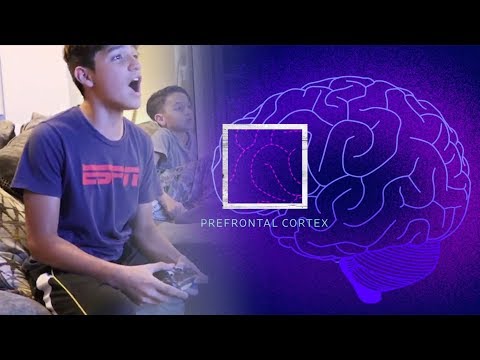
The relationship between video games and anger in children is complex, but the short answer is: yes, video games can contribute to anger issues in some children. However, it’s not a simple cause-and-effect relationship. Instead, various factors interact, including the game’s content, the child’s personality, their coping mechanisms, and their overall environment. While some research suggests a link between violent video games and aggression, it’s crucial to understand the nuances and avoid sweeping generalizations. Let’s delve into the different aspects to understand the connection better.
Understanding the Nuances of Gaming and Anger
The Impact of Game Content
Not all video games are created equal. Violent video games often place players in situations that involve aggression, conflict, and competition. This exposure can lead to a desensitization to violence, imitation of aggressive behaviors, and a heightened state of arousal that can make children more prone to anger. Dr. Gentile’s research highlights that children spending a lot of time “looking for enemies and reacting quickly to aggression” due to video games can lead to changes in both thinking and behavior.
However, games with competitive elements, even if not inherently violent, can also trigger anger. Losing, feeling cheated, or experiencing technical difficulties like lag can lead to frustration and rage, a phenomenon widely observed in the gaming community.
Individual Differences
A child’s personality plays a significant role. Children who already struggle with impulse control, emotional regulation, or underlying mental health issues like ADHD, anxiety, or depression may be more susceptible to experiencing anger after gaming. Richard Ryan’s research emphasizes that when players feel a lack of control over the game’s outcome, it can lead to aggression.
Environmental and Social Factors
The environment in which a child plays games also matters. A lack of parental supervision, exposure to toxic gaming communities, and the absence of healthy coping mechanisms can all exacerbate anger issues. Furthermore, research has shown that even child-initiated virtual violence can have profound effects on aggressive behavior.
Gaming Addiction and Mental Health
Excessive gaming can lead to a state of hyperarousal, making it difficult for children to focus, manage emotions, and follow directions. Video game addiction is linked to traits such as low self-esteem, attention problems, anxiety, and depression. Compulsively gaming to escape negative emotions can also result in a condition known as alexithymia, which makes it hard to identify and describe feelings.
Managing Gaming-Related Anger
Here are some strategies for parents and caregivers:
- Set Time Limits: The American Academy of Pediatrics recommends limiting screen time for children over 6 to 60 minutes on school days and 2 hours on non-school days. For children under 6, the limit should be closer to 30 minutes.
- Choose Games Wisely: Opt for games that promote cooperation, creativity, and problem-solving. Avoid games with excessive violence or overly competitive elements.
- Encourage Physical Activity: Make sure children engage in regular physical activity to balance out sedentary gaming time.
- Teach Emotional Regulation: Help children develop healthy coping mechanisms for dealing with frustration and anger, such as deep breathing, mindfulness, or talking to a trusted adult.
- Monitor and Engage: Be aware of the games your child is playing and engage in conversations about the content. This can help you understand their experiences and address any concerns.
- Create a Balanced Lifestyle: Ensure that gaming is not the only activity in your child’s life. Encourage hobbies, social interactions, and other interests.
- Seek Professional Help: If your child’s anger issues are severe or persistent, consider seeking professional help from a therapist or counselor.
Exploring the Benefits of Gaming
While there are potential negative effects, video games can also offer benefits. They can improve cognitive skills like impulse control, multitasking, and memory. They can also foster problem-solving abilities, creativity, and social connections. The key is to approach gaming in a balanced and mindful way. To explore further on the positive impacts of gaming, visit the Games Learning Society or GamesLearningSociety.org to find out more about their mission.
Frequently Asked Questions (FAQs)
1. What types of video games are most likely to cause anger issues in children?
Games that involve high levels of violence, intense competition, and a lack of control are more likely to trigger anger. These include first-person shooters, fighting games, and online multiplayer games with toxic communities.
2. How can I tell if my child’s gaming is becoming a problem?
Signs of problematic gaming include irritability when not playing, increasing aggression, neglecting responsibilities, social isolation, and withdrawal symptoms when gaming is limited.
3. Are all violent video games bad for children?
Not necessarily. The impact of violent video games depends on the individual child, the context of their gameplay, and their overall environment. However, it’s important to be mindful of the potential risks and monitor your child’s behavior.
4. What can I do if my child gets angry while playing video games?
Encourage them to take a break, practice deep breathing, or talk about their feelings. Help them understand that it’s okay to feel frustrated but that it’s important to manage their anger in a healthy way.
5. How much screen time is too much for a child?
The American Academy of Pediatrics recommends limiting screen time for children over 6 to 60 minutes on school days and 2 hours on non-school days. Kids under 6 should spend closer to 30 minutes.
6. Can video games improve a child’s cognitive skills?
Yes, some video games can improve cognitive skills such as impulse control, multitasking, memory, and problem-solving abilities.
7. What are some alternatives to violent video games for children?
Consider games that promote creativity, cooperation, and problem-solving, such as puzzle games, strategy games, and educational games.
8. How can I create a healthy gaming environment for my child?
Set clear rules and boundaries, monitor their gameplay, engage in conversations about the content, and encourage a balanced lifestyle.
9. Can video game addiction lead to mental health problems?
Yes, video game addiction is linked to anxiety, depression, low self-esteem, and attention problems.
10. What is “gamer rage,” and how can it be prevented?
“Gamer rage” is a term used to describe the intense anger and frustration that some people experience while playing video games. It can be prevented by taking breaks, managing emotions, setting limits, and avoiding toxic gaming communities.
11. How do I deal with a child who throws tantrums after losing a game?
Remain calm, validate their feelings, and help them develop strategies for coping with disappointment. Teach them that losing is a normal part of gaming and that it’s important to learn from their mistakes.
12. Are there any benefits to playing video games?
Yes, video games can offer benefits such as improved cognitive skills, problem-solving abilities, creativity, and social connections.
13. What role do parents play in managing their child’s gaming habits?
Parents play a crucial role in setting boundaries, monitoring gameplay, engaging in conversations, and encouraging a balanced lifestyle.
14. Can video games cause sleep problems in children?
Yes, excessive gaming can lead to disrupted sleep patterns and difficulties falling asleep.
15. When should I seek professional help for my child’s gaming habits and anger issues?
If your child’s anger issues are severe or persistent, if they are neglecting responsibilities, or if their gaming habits are causing significant problems in their life, consider seeking professional help from a therapist or counselor.