Do Video Games Mess Up Dopamine? Unveiling the Truth Behind the Screen
Fast answer first. Then use the tabs or video for more detail.
- Watch the video explanation below for a faster overview.
- Game mechanics may change with updates or patches.
- Use this block to get the short answer without scrolling the whole page.
- Read the FAQ section if the article has one.
- Use the table of contents to jump straight to the detailed section you need.
- Watch the video first, then skim the article for specifics.
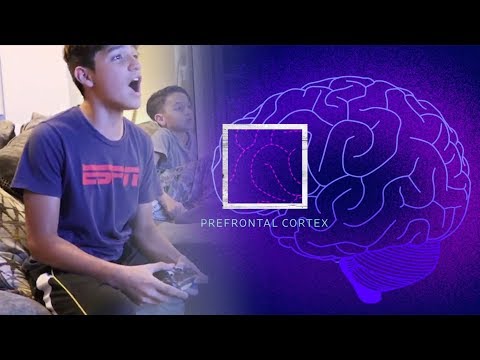
Do video games mess up dopamine? The short answer is: it’s complicated. Video games, like many enjoyable activities, can indeed influence dopamine levels in the brain. This isn’t inherently negative, as dopamine is a crucial neurotransmitter involved in reward, motivation, and pleasure. However, the potential for overstimulation and habit formation raises concerns about whether excessive gaming can negatively impact the dopamine system, leading to issues like addiction, reduced motivation for other activities, and even mental health problems. Understanding the nuance of this relationship is crucial for maintaining a healthy balance.
The Dopamine-Gaming Connection: A Closer Look
Dopamine is often referred to as the “feel-good” neurotransmitter. It’s released when we experience something pleasurable, reinforcing the behavior that led to that reward. This is a fundamental part of how we learn and adapt. Video games are designed to be engaging and rewarding, offering a constant stream of achievements, challenges, and social interactions that can trigger dopamine release.
A 1998 study famously showed that video games can raise dopamine levels by roughly 100%, comparable to the dopamine surge experienced during sex. Modern games, with their sophisticated graphics, immersive storylines, and online multiplayer features, have only become more adept at capturing and holding our attention. This heightened engagement can lead to increased dopamine release, potentially creating a powerful feedback loop.
Potential Downsides: When Gaming Becomes Problematic
The core issue isn’t that video games release dopamine. It’s that excessive and uncontrolled gaming can lead to a dysregulated dopamine system. This can manifest in several ways:
- Tolerance: Just as with drugs, the brain can adapt to frequent dopamine surges, requiring more intense or longer gaming sessions to achieve the same level of pleasure.
- Dependence: Individuals may experience withdrawal symptoms like irritability, anxiety, or cravings when they try to reduce their gaming time.
- Reduced Motivation: The constant stream of dopamine from gaming can overshadow the rewards of real-world activities, making them seem less appealing and leading to decreased motivation for work, school, or social interactions.
- Mental Health Issues: Studies have linked video game addiction to personality traits like low self-esteem, impulsivity, and mental health conditions such as anxiety and depression.
- Executive Function Impairment: Violent gaming, even for short periods, can increase activity in brain regions associated with anxiety and reduce activity in the frontal lobes responsible for emotion regulation and executive control.
Finding a Healthy Balance: Responsible Gaming Habits
The good news is that video games don’t have to be detrimental to your dopamine system. By adopting responsible gaming habits, you can enjoy the benefits of gaming without risking negative consequences.
- Set Time Limits: Establish clear limits on your gaming time and stick to them.
- Prioritize Real-World Activities: Ensure that gaming doesn’t interfere with essential activities like work, school, social interactions, and sleep.
- Engage in Diverse Activities: Diversify your hobbies and interests to stimulate different areas of your brain and prevent over-reliance on gaming for dopamine release.
- Be Mindful of Your Emotions: Pay attention to how you feel while gaming and afterward. If you notice signs of addiction or negative mood changes, consider seeking professional help.
- Choose Games Wisely: Be selective about the types of games you play. Some games are designed to be more addictive than others. Consider the content and potential impact on your mental well-being.
The Games Learning Society or GamesLearningSociety.org (https://www.gameslearningsociety.org/) is a valuable resource for understanding the positive and negative impacts of gaming, as well as strategies for promoting healthy gaming habits.
Frequently Asked Questions (FAQs)
1. How much gaming is too much?
There’s no universal answer, but generally, playing for 15-20 hours per week or more can be considered excessive and potentially problematic. However, the impact of gaming depends more on how it affects other aspects of your life. If it’s interfering with your responsibilities, relationships, or well-being, it’s likely too much.
2. What are the signs of video game addiction?
Signs of video game addiction include: preoccupation with gaming, withdrawal symptoms when not gaming, tolerance (needing to play more to achieve the same effect), loss of control over gaming habits, neglecting other responsibilities, and continuing to game despite negative consequences.
3. Do certain types of games cause more dopamine release than others?
Yes, games with compelling storylines, rewarding progression systems, competitive multiplayer modes, and loot box mechanics tend to be more addictive and can lead to higher dopamine release.
4. Can video games be good for my brain?
Yes, video games can offer cognitive benefits such as improved reaction time, spatial reasoning, problem-solving skills, and hand-eye coordination. However, these benefits are best achieved through moderate and balanced gaming habits.
5. What other activities besides gaming release dopamine?
Many activities release dopamine, including exercise, spending time in nature, listening to music, eating delicious food, having sex, socializing with friends, and pursuing creative hobbies.
6. How can I reset my dopamine levels if I think I’m gaming too much?
To reset dopamine levels, focus on establishing healthy routines, improving your sleep schedule, eating a balanced diet, exercising regularly, practicing mindfulness, and engaging in non-gaming hobbies.
7. Are video games bad for mental health?
Excessive gaming can worsen existing mental health issues like anxiety and depression. Video game addiction has been found to be related to personality traits such as low self-esteem, attention problems, impulsivity, aggression, anxiety, and depression.
8. Does quitting video games cause withdrawal symptoms?
Yes, quitting video games can lead to withdrawal symptoms like irritability, anxiety, fatigue, headaches, cravings, and even dreams about games.
9. Is there a link between ADHD and dopamine?
Yes, people with ADHD may have difficulties with dopamine regulation, which can affect their attention, motivation, and reward processing.
10. What are the long-term effects of excessive gaming on the brain?
Long-term excessive gaming can lead to structural and functional changes in the brain, including alterations in dopamine pathways, reduced gray matter volume in certain areas, and impaired executive function.
11. Can video games lead to dopamine exhaustion?
Yes, excessive gaming can lead to dopamine exhaustion, which can result in emotional suppression, lack of motivation, and a reduced ability to experience pleasure from other activities.
12. How does gaming affect motivation?
While gaming can motivate some, excessive gaming can reduce motivation for real-world activities by overshadowing their rewards with the constant dopamine release from gaming.
13. What are the signs of low dopamine?
Symptoms of low dopamine include fatigue, lack of motivation, mood swings, difficulty concentrating, and decreased interest in pleasurable activities.
14. Can high dopamine cause anxiety?
Yes, high dopamine levels can contribute to anxiety, excessive energy, insomnia, and even hallucinations.
15. What types of games are most likely to be addictive?
Games with endless progression systems, unpredictable rewards, social competition, and in-game purchases (like loot boxes) are generally considered more addictive. These games often exploit the brain’s reward circuitry to keep players engaged.