Do Warlocks Need Charisma? A Deep Dive into D&D’s Pact Magic
Fast answer first. Then use the tabs or video for more detail.
- Watch the video explanation below for a faster overview.
- Game mechanics may change with updates or patches.
- Use this block to get the short answer without scrolling the whole page.
- Read the FAQ section if the article has one.
- Use the table of contents to jump straight to the detailed section you need.
- Watch the video first, then skim the article for specifics.
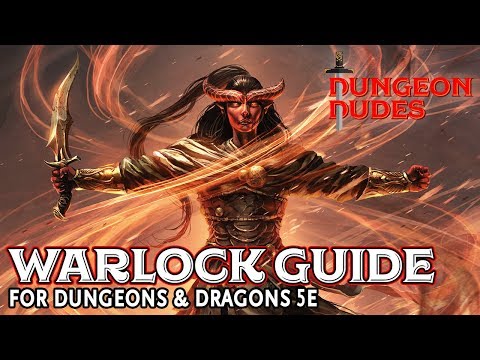
Yes, absolutely! Charisma is arguably the most crucial ability score for a Warlock in Dungeons & Dragons (D&D) 5th Edition. It’s the keystone upon which their spellcasting and many of their class features are built. While other stats like Constitution contribute to survivability, and Dexterity can be helpful for ranged attacks, neglecting Charisma is akin to a knight ignoring their sword – a debilitating oversight. Warlocks draw their power from pacts with otherworldly patrons, and their ability to channel that power effectively hinges on their force of personality, presence, and persuasive abilities – all represented by Charisma.
Why Charisma Reigns Supreme for Warlocks
The importance of Charisma for Warlocks stems from several key mechanics:
- Spellcasting Ability: Charisma serves as the Warlock’s spellcasting ability. This means your spell attack bonus (the modifier you add to your dice roll when casting a spell that requires an attack roll) and spell save DC (the difficulty for enemies to resist your spells) are directly tied to your Charisma score. A higher Charisma translates to more accurate spells and spells that are harder for enemies to avoid.
- Spell Power: The effectiveness of many Warlock spells is directly impacted by your Charisma score. Spells that deal damage might have bonus damage added based on your Charisma modifier, and spells that inflict conditions (like fear or charm) become more potent with a higher DC.
- Eldritch Invocations: Many powerful Eldritch Invocations – special boons that augment a Warlock’s abilities – require or interact with Charisma. For example, the agonizing blast Invocation adds your charisma modifier to damage from Eldritch blast. Invocations are the Warlock’s unique way of customizing their abilities, and many of the best options depend on a high Charisma score.
- Multiclassing: If you’re considering multiclassing your Warlock, keep in mind that you need a Charisma score of at least 13 to multiclass into or out of the Warlock class. This minimum requirement emphasizes Charisma’s fundamental role.
- Skills: Warlocks often excel in social interactions, relying on skills like Deception, Intimidation, and Persuasion. These skills are all Charisma-based, making a high Charisma score beneficial both in combat and in social encounters.
In short, a Warlock with low Charisma is severely hamstrung. They’ll struggle to hit enemies with their spells, their spells will be easier to resist, and they’ll miss out on some of the most powerful class features and customization options.
Warlock FAQs: All About Charisma and Beyond
Here are some frequently asked questions to further clarify the role of Charisma in building a successful Warlock:
1. What happens if a Warlock has a very low Charisma score?
A Warlock with a very low Charisma score will be significantly weaker than one with high Charisma. Their spell attacks will be less accurate, their spells will be easier to resist, and they’ll miss out on powerful Eldritch Invocations that rely on Charisma. They will essentially be unable to contribute effectively to the party in combat scenarios.
2. Can a Warlock function without maxing out Charisma immediately?
While maxing Charisma is the ultimate goal, a Warlock can function in the early levels with a Charisma score of 16 or 18. Focus on increasing it as quickly as possible through ability score improvements or feats.
3. What other ability scores are important for a Warlock?
While Charisma is paramount, Constitution is the next most important ability score. It determines your hit points and helps you maintain concentration on spells when you take damage. Dexterity is also valuable for improving your Armor Class (AC), initiative, and ranged attacks (if you choose to use them).
4. Does Pact of the Blade change the importance of Charisma?
Yes, in a way. The Pact of the Blade allows you to use your Charisma modifier for attack and damage rolls with your pact weapon instead of Strength or Dexterity. This makes Charisma even more central to a Pact of the Blade Warlock, as it governs both their spellcasting and their weapon attacks.
5. How does Charisma affect Eldritch Blast?
While Eldritch Blast doesn’t directly use Charisma for its attack roll (which uses your spell attack bonus, derived from Charisma), the Agonizing Blast Invocation adds your Charisma modifier to the damage of each Eldritch Blast beam. This significantly boosts the cantrip’s damage output, making it one of the Warlock’s most reliable damage options.
6. What races are best for Warlocks due to their Charisma bonuses?
Several races offer Charisma bonuses that make them excellent choices for Warlocks:
- Tieflings: +2 Charisma, +1 Intelligence (a versatile bonus).
- Half-Elves: +2 Charisma, +1 to two other ability scores (highly customizable).
- Drow (Dark Elves): +2 Charisma, +1 Dexterity (great for initiative and AC).
- Aasimar: (Protector) +2 Charisma, +1 Wisdom
- Satyr: +1 Charisma, +1 Dexterity
7. Are there any feats that synergize well with a Warlock’s high Charisma?
Yes! Some excellent feats for Warlocks that capitalize on high Charisma include:
- Actor: +1 Charisma, advantage on Deception and Performance checks.
- Inspiring Leader: Grants temporary hit points to allies, based on your Charisma modifier.
- War Caster: Advantage on concentration saving throws, allowing for more reliable spellcasting.
8. Can a Warlock be effective in melee combat?
With the Pact of the Blade and the right invocations, a Warlock can be effective in melee combat. However, they’re generally better suited to ranged combat and spellcasting, as their hit dice and armor proficiencies are not designed for prolonged melee engagements.
9. How does multiclassing affect a Warlock’s Charisma needs?
As mentioned earlier, you need a Charisma score of 13 or higher to multiclass into or out of the Warlock class. Multiclassing can be powerful, but it’s essential to maintain a high Charisma score to ensure your Warlock abilities remain effective. Good multiclass options include Paladin, Sorcerer, and Bard.
10. What skills should a Warlock prioritize, given their high Charisma?
Warlocks should prioritize Deception, Intimidation, and Persuasion. These skills are all Charisma-based and allow Warlocks to excel in social interactions, negotiations, and even combat situations (using Intimidation to demoralize enemies).
11. How does Charisma affect a Warlock’s roleplaying opportunities?
A high Charisma score makes a Warlock a natural leader, negotiator, and manipulator. They can use their force of personality to influence NPCs, gather information, and navigate complex social situations. It opens up numerous roleplaying opportunities. Charisma allows them to better explore their relationship with their patron.
12. Can a Warlock use Charisma for weapon attacks without the Pact of the Blade?
No, without the Pact of the Blade, Warlocks must use Strength or Dexterity for weapon attacks, depending on the weapon’s properties. The Pact of the Blade is the only way for a Warlock to use Charisma for weapon attacks.
13. Does the Warlock subclass affect the importance of Charisma?
While all Warlock subclasses benefit from high Charisma, some may rely on it more than others. For example, a Hexblade Warlock, who focuses on melee combat, will be even more dependent on Charisma due to the Pact of the Blade feature.
14. How does the Armor of Shadows Invocation interact with Charisma?
The Armor of Shadows invocation allows you to cast mage armor on yourself at will, without expending a spell slot or material components. This does not directly use Charisma, but it does provide you with 13 + your Dexterity modifier, which helps with Armor Class.
15. Are Warlocks fun to play?
Absolutely! Warlocks offer a unique blend of spellcasting, customization (through Eldritch Invocations), and roleplaying opportunities. They’re a versatile and powerful class that can be tailored to fit a wide range of playstyles. Many players find that the pact-based theme and the ability to invoke dark or mysterious powers make Warlocks one of the most exciting and rewarding classes in D&D. To learn more about how games enhance learning, check out the Games Learning Society at GamesLearningSociety.org.
In conclusion, Charisma is not just important for Warlocks; it’s essential. It’s the foundation upon which their power is built and the key to unlocking their full potential. Prioritize it when building your Warlock, and you’ll be well on your way to forging a powerful and compelling character.