Graveyard Keeper’s Grim Reality: Must You Bury Every Body?
Fast answer first. Then use the tabs or video for more detail.
- Watch the video explanation below for a faster overview.
- Game mechanics may change with updates or patches.
- Use this block to get the short answer without scrolling the whole page.
- Read the FAQ section if the article has one.
- Use the table of contents to jump straight to the detailed section you need.
- Watch the video first, then skim the article for specifics.
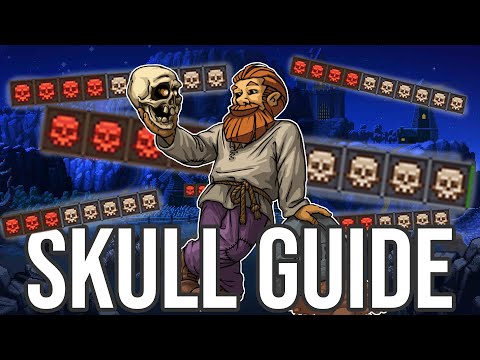
No, you do not have to bury every body in Graveyard Keeper. While burying bodies is a core mechanic for earning money and improving your graveyard rating, the game offers alternative, often morally questionable, methods for dealing with corpses. You can cremate them, throw them in the river, dissect them for organs, turn them into meat, or even use them as fertilizer. The choice is yours, Graveyard Keeper!
Dealing with Death: Beyond the Grave
Graveyard Keeper presents a darkly humorous take on managing a medieval cemetery. The game emphasizes resource management and efficiency, often forcing players to make ethically ambiguous decisions. Understanding the various ways to process bodies is crucial for progressing through the game and maximizing your profits.
Burying Bodies: The Traditional Approach
The most straightforward option is, of course, burying the bodies. This involves preparing graves, placing the corpse, and then holding a burial service (once you unlock the church). The quality of the body and the grave will influence the graveyard’s rating. A higher rating allows you to charge more for burial permits and attract more villagers to the church, thus increasing your income.
However, burying bodies requires resources like wood and stone for crafting tombstones and fences. It also consumes valuable space within your graveyard. Furthermore, not all bodies are created equal. Some may have negative traits that lower your graveyard quality, making them less desirable to bury.
Cremation: A Fiery Alternative
Cremation offers an alternative to burial. You’ll need to build a cremation pyre. Burning a body yields ashes, which can be used for crafting or sold. Cremation is faster than burial and doesn’t require graveyard space. However, it doesn’t contribute directly to your graveyard rating. Cremation also avoids the issue of negative body traits affecting graveyard quality, making it a good option for problematic corpses.
River Disposal: The Quick and Dirty Method
The river offers the quickest and easiest solution for unwanted bodies: throwing them in. This method is free and requires no resources or time. However, it significantly reduces your graveyard rating and carries a high moral cost. Dumping bodies in the river will also negatively impact your relationship with certain characters in the game. This is really the last resort!
Dissection and Organ Harvesting: A Morbid Business
Once you unlock the Mortuary, you can dissect bodies and harvest organs. This process provides valuable resources like blood, fat, skin, and bones. These materials are essential for crafting various items, completing quests, and advancing the game’s storyline. Dissecting bodies doesn’t affect your graveyard rating but does have moral implications.
The Meat Grinder: From Corpse to Consumption
Perhaps the most disturbing option is turning bodies into meat. The Meat Grinder allows you to process corpses into usable meat. This meat can be cooked and sold, providing a steady income stream. This method is efficient but morally reprehensible. Using human meat will also impact your relationship with certain characters.
Fertilizer: A Grave Purpose
You can use certain body parts or byproducts from other processes as fertilizer for your garden. This is a more efficient use of resources compared to simply throwing them away.
Optimizing Your Corpse Disposal Strategy
The best approach to handling bodies in Graveyard Keeper involves balancing efficiency, morality, and resource management. You might prioritize burying high-quality corpses to maximize graveyard rating, while cremating or dissecting lower-quality ones. Experimenting with different strategies is key to finding what works best for your play style and goals.
Frequently Asked Questions (FAQs)
1. Does the quality of the body affect the amount of resources I get from dissecting it?
Yes, the quality of the body does affect the yield of organs and other resources obtained during dissection. Higher-quality bodies generally provide more valuable resources.
2. How do I improve the quality of a body before burying it?
You can improve the quality of a body by removing negative body parts (like worms or rotten flesh) and replacing them with better ones. You’ll learn more about embalming and body modification as you progress.
3. What happens if I run out of space in my graveyard?
If you run out of space, you’ll need to expand your graveyard. This requires clearing land, crafting new graves, and upgrading your infrastructure. Or you can use other methods of disposal to reduce the number of burials.
4. Are there any consequences for repeatedly throwing bodies in the river?
Yes, repeatedly dumping bodies in the river will severely lower your graveyard rating, negatively impact your relationship with certain NPCs (particularly those concerned with cleanliness or morality), and potentially trigger negative events.
5. Can I get caught using human meat in my recipes?
The game does not have a “detection” mechanic where you are caught using human meat by customers. However, using it will impact your relationships with certain characters and potentially affect quest outcomes.
6. What is the best way to earn money from bodies early in the game?
Early in the game, burying bodies is the most reliable way to earn money, especially after you unlock the church and can sell burial permits. Focus on upgrading your graveyard as quickly as possible.
7. How do I unlock new technologies related to corpse disposal?
You unlock new technologies by earning experience points and spending them in the technology tree. Experiment with different activities and tasks to earn a variety of experience types (red, green, and blue).
8. Can I resurrect bodies in Graveyard Keeper?
Yes, you can resurrect bodies later in the game using specific technologies and ingredients. Resurrected bodies can be used to perform tasks in your various businesses.
9. Does the time of day affect the arrival of new bodies?
New bodies typically arrive early in the morning. However, the exact timing can vary slightly.
10. Are there any achievements related to corpse disposal methods?
Yes, there are achievements related to various aspects of the game, including how you deal with corpses. Explore the game’s achievement list to see which ones require specific disposal methods.
11. Can I customize the appearance of my graveyard?
Yes, you can customize your graveyard with different types of tombstones, fences, decorations, and landscaping. This will improve your graveyard rating and attract more visitors.
12. What is the purpose of the church in Graveyard Keeper?
The church allows you to hold services and earn money from donations. The quality of your graveyard and the sermons you deliver will influence the amount of money you earn.
13. How does the autopsy table work, and what can I learn from it?
The autopsy table allows you to determine the quality of the body, the amount of each extractable body parts, and their position of removal. That helps you with your calculations.
14. Is Graveyard Keeper based on a true story?
Graveyard Keeper is not based on a specific true story, but it draws inspiration from medieval life, resource management games, and dark humor. The game explores themes of morality, efficiency, and the ethical dilemmas of running a business in a resource-scarce environment.
15. Where can I learn more about the educational aspects of video games like Graveyard Keeper?
You can learn more about the educational aspects of video games at the Games Learning Society website: https://www.gameslearningsociety.org/. The GamesLearningSociety.org explores how games can be used for learning and development in various contexts.
By understanding the different methods of corpse disposal and their consequences, you can effectively manage your graveyard, build a thriving business, and navigate the morally ambiguous world of Graveyard Keeper. Good luck, and may your graveyard be forever full!