Does DDR5 Affect FPS?
Fast answer first. Then use the tabs or video for more detail.
- Watch the video explanation below for a faster overview.
- Game mechanics may change with updates or patches.
- Use this block to get the short answer without scrolling the whole page.
- Read the FAQ section if the article has one.
- Use the table of contents to jump straight to the detailed section you need.
- Watch the video first, then skim the article for specifics.
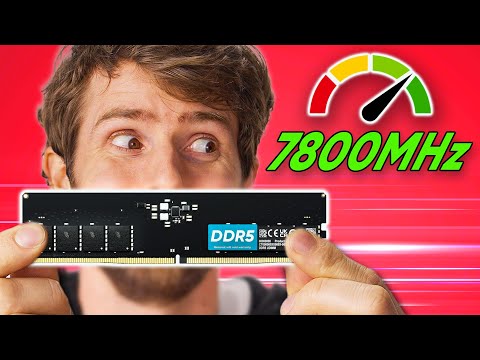
DDR5 can affect FPS (Frames Per Second), but its impact is generally minimal and often dependent on the specific gaming scenario. The relationship between DDR5 and FPS is complex, influenced by factors such as RAM speed, latency, and the specific requirements of the game being played.
Understanding DDR5 and Its Impact on FPS
To delve deeper into how DDR5 affects FPS, it’s essential to understand what DDR5 is and how it differs from its predecessor, DDR4. DDR5 offers higher transfer speeds and greater capacity, which can potentially enhance gaming performance. However, the actual FPS improvement varies, with some games benefiting more from low RAM latency than high RAM bandwidth.
DDR5 vs. DDR4 for Gaming
When comparing DDR5 to DDR4 for gaming, several factors come into play, including clock speed, CAS latency, and bandwidth. While DDR5 boasts faster transfer speeds, its higher latency can sometimes negate these benefits in gaming scenarios.
FAQs About DDR5 and FPS
- Does DDR5 Give Better FPS?
- DDR5 with higher transfer speeds can help improve frame rates, but the improvement is often not dramatic. A DDR5 kit around 5200MT/s is typically sufficient, but 6000MT/s or 6400MT/s kits can offer further FPS increases.
- Does DDR5 Affect Performance?
- Yes, DDR5 affects performance by dividing the 64-bit data bandwidth into two 32-bit addressable subchannels, increasing performance and reducing data access latencies.
- Does DDR5 Affect Gaming?
- DDR5 can offer a great gaming experience, but the balance between speed and latency is critical. Faster DDR5 can provide practical differences in some games, while even faster kits may result in lower performance due to increased latency.
- Does RAM Speed Affect FPS in DDR5?
- Switching from DDR5-4800 CL40 to DDR5-6000 CL30 can increase FPS by about 8-9% on average. Further increases to 7200MHz at CL32 can bring an additional 3% improvement.
- Why is DDR5 Slower than DDR4 for Gaming?
- Most DDR5 modules have CL40 CAS latency, which offsets the benefits of DDR5’s high clock speeds, leading to slower performance in gaming compared to DDR4 with lower latency.
- How Much Faster is DDR5 for Gaming?
- The best DDR5 can offer around a 10% increase in FPS compared to the best DDR4, but this varies depending on the game and system configuration.
- Is 32 GB RAM Overkill?
- 32GB of RAM is considered high and is generally overkill for most users, but it can be beneficial for heavy multitasking and future-proofing.
- Is it Worth Buying DDR5 for Gaming?
- Unless you’re a hardcore gamer seeking every possible performance boost, buying DDR5 solely for gaming might not be justified due to the minimal FPS improvement.
- Does DDR5 Run Hotter than DDR4?
- Despite its lower voltage, DDR5 modules can run warmer than DDR4, making good heatsink & cooling technology crucial for high performance.
-
Do I Need DDR5 for 4090?
- For the best 4K gaming experience with an RTX 4090, a minimum of 32GB of DDR5 RAM is recommended.
-
Is DDR5 Latency Bad?
- DDR5’s latency is virtually the same as DDR4 when considering the overall system performance, so users shouldn’t worry about latency when adopting DDR5.
-
Should I Upgrade RAM to DDR5?
- Upgrading to DDR5 isn’t revolutionary in terms of RAM speed. It offers middling performance improvements in gaming and productivity compared to DDR4.
-
Why is DDR5 so Much Faster?
- DDR5 offers a 50% bandwidth increase over DDR4, with initial DDR5 DIMMs delivering up to 4.8 GT/s, significantly enhancing memory bandwidth.
-
Is it Worth Upgrading from DDR4 to DDR5 for Gaming?
- Upgrading to DDR5 for gaming isn’t worth it unless you’re also upgrading your CPU to a model that supports DDR5, such as an i5-12600K or better.
-
What Speeds are DDR5 Rated For?
- Standard DDR5 memory speeds range from 4000 to 6400 million transfers per second, with potential for higher speeds in future updates.
By understanding these factors and considerations, gamers can make informed decisions about whether DDR5 is right for their gaming needs and how it might impact their FPS.