Does Gaming Make You Social? Unlocking the Social Potential of Play
Fast answer first. Then use the tabs or video for more detail.
- Watch the video explanation below for a faster overview.
- Game mechanics may change with updates or patches.
- Use this block to get the short answer without scrolling the whole page.
- Read the FAQ section if the article has one.
- Use the table of contents to jump straight to the detailed section you need.
- Watch the video first, then skim the article for specifics.
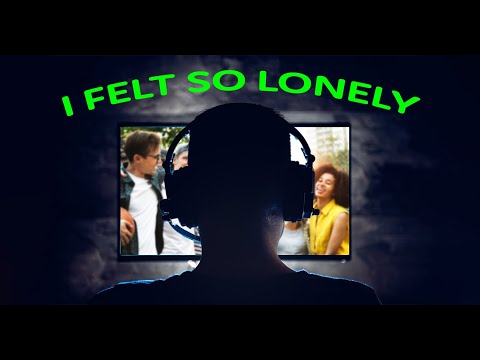
The question of whether gaming makes you social is complex and doesn’t lend itself to a simple yes or no answer. The truth lies in the nuance: gaming can be a powerful tool for socialization, fostering connections, building communities, and even improving social skills. However, it can also lead to social isolation if not approached with balance and awareness. The social impact of gaming hinges on the individual, the games they play, and how they integrate gaming into their lives. Ultimately, it’s about leveraging the potential for connection while mitigating the risks of over-immersion and neglecting real-world relationships.
Unveiling the Social Benefits of Gaming
Gaming provides opportunities for shared experiences and bonding. Whether it’s conquering a challenging raid in an MMORPG, collaborating to build a thriving city in a strategy game, or simply engaging in friendly competition in a sports title, gaming creates a space for people to connect over common goals and interests. This shared focus, as noted in research, can be instrumental in building friendships and relationships.
- Building Communities: Online games, especially MMORPGs, MOBAs, and survival games, often foster thriving communities. Players join guilds, clans, or groups based on shared interests, skill levels, or play styles. These communities offer a sense of belonging, support, and camaraderie, providing opportunities for social interaction that extend beyond the game itself.
- Developing Social Skills: Many games require teamwork, communication, and cooperation. Players learn to negotiate, strategize, and resolve conflicts, all vital social skills that translate into real-world scenarios. Games featuring complex narratives and character interactions can also provide a safe space for practicing empathy and understanding different perspectives.
- Bridging Geographical Gaps: Gaming allows people from all over the world to connect and interact. This can be especially beneficial for individuals who live in remote areas, have limited social opportunities, or struggle with social anxiety. Online gaming provides a platform for them to build relationships and find support networks without the constraints of physical distance.
- Finding Common Ground: Gaming provides a shared language and culture. Gamers can easily strike up conversations with others who share their passion for specific games, genres, or characters. This common ground can be a starting point for building friendships and relationships that extend beyond the virtual world. Many gamers find partners through their shared gaming interests, proving that online connections can lead to meaningful real-life relationships.
Addressing the Potential Downsides
While gaming offers numerous social benefits, it’s crucial to acknowledge the potential downsides. Gaming addiction can lead to social isolation, neglecting real-world relationships, and a decline in overall well-being. It’s essential to maintain a healthy balance between gaming and other activities and to be mindful of the potential for negative consequences.
- Risk of Social Isolation: Excessive gaming can lead to neglecting real-world relationships with family and friends. Spending too much time immersed in virtual worlds can result in a decline in social skills and a feeling of disconnect from the physical world.
- Impact on Mental Health: Problematic gaming can be linked to increased social anxiety, depression, and loneliness. Using gaming as a coping mechanism for social anxieties can create a cycle of avoidance, making it more difficult to engage in real-world social interactions.
- Strain on Relationships: Gaming addiction can put a strain on relationships with partners, family members, and friends. Lying about the amount of time spent gaming, neglecting responsibilities, and withdrawing from social activities can lead to conflict and resentment.
- Importance of Balance: Maintaining a healthy balance is key. Gamers should ensure they are also engaging in other activities, such as spending time with loved ones, pursuing hobbies, and participating in physical activities. This helps to prevent over-immersion in the virtual world and promotes overall well-being.
Finding the Right Balance: Gaming as a Social Tool
The key to harnessing the social benefits of gaming is to approach it with intention and balance. Choose games that encourage collaboration and communication. Seek out online communities that foster positive interactions and support. And, most importantly, prioritize real-world relationships and activities alongside your gaming pursuits.
- Choose Social Games: Opt for games that encourage teamwork, communication, and cooperation. MMORPGs, MOBAs, and co-op games provide ample opportunities for interacting with other players and building relationships.
- Join Positive Communities: Seek out online communities that are welcoming, supportive, and inclusive. Avoid communities that promote toxicity, negativity, or harassment.
- Set Boundaries: Establish clear boundaries for gaming time to prevent over-immersion and ensure that other aspects of life are not neglected.
- Prioritize Real-World Relationships: Make a conscious effort to spend time with family and friends, participate in social activities, and maintain a healthy balance between online and offline interactions.
- Be Mindful of Mental Health: Pay attention to how gaming affects your mood and overall well-being. If you experience increased anxiety, depression, or social isolation, consider seeking professional help.
Gaming, when approached mindfully, can be a powerful tool for building connections, developing social skills, and fostering a sense of community. By understanding both the potential benefits and drawbacks, gamers can harness the social power of play while maintaining a healthy and balanced lifestyle. Consider exploring resources from organizations like the Games Learning Society at GamesLearningSociety.org for further insights into the positive impacts of gaming on learning and social development.
Frequently Asked Questions (FAQs)
1. Is gaming inherently antisocial?
No, gaming is not inherently antisocial. It can be a social activity, fostering connections and building communities. However, excessive or problematic gaming can lead to social isolation.
2. Can online friendships be as meaningful as real-life friendships?
Yes, online friendships can be just as meaningful as real-life friendships. Many people form deep and lasting bonds with others they meet online through gaming, sharing experiences, providing support, and building genuine connections.
3. How can I make friends through gaming?
Join online communities related to your favorite games, participate in group activities, and be proactive in reaching out to other players. Communicate respectfully, be open to new friendships, and look for opportunities to connect outside of the game itself.
4. What are the signs of gaming addiction?
Signs of gaming addiction include spending excessive amounts of time gaming, neglecting responsibilities, lying about gaming habits, experiencing withdrawal symptoms when not gaming, and experiencing negative consequences in real-life relationships or work/school performance.
5. How can I prevent gaming from negatively impacting my social life?
Set boundaries for gaming time, prioritize real-world relationships, engage in other activities, and be mindful of how gaming affects your mood and overall well-being.
6. Can gaming improve my social skills?
Yes, many games require teamwork, communication, and cooperation, providing opportunities to practice and improve social skills.
7. Is it normal to prefer online interactions over face-to-face interactions?
It’s not uncommon for some people to prefer online interactions, especially those who experience social anxiety. However, it’s important to maintain a balance between online and offline interactions for overall social well-being.
8. How does gaming affect introverts?
Gaming can be a comfortable and engaging activity for introverts, providing opportunities for social interaction without the pressure of face-to-face encounters.
9. How does gaming affect extroverts?
Gaming can provide extroverts with opportunities to connect with others and engage in social activities, satisfying their need for social interaction.
10. What types of games are best for socializing?
MMORPGs, MOBAs, co-op games, and games with strong online communities are generally best for socializing.
11. Can gaming help with social anxiety?
While gaming can provide a temporary escape from social anxiety, it can also worsen it if used as a primary coping mechanism. It’s important to address the underlying anxiety and seek professional help if needed.
12. How can parents help their children have healthy gaming habits?
Set time limits, encourage other activities, monitor online interactions, and have open conversations about the potential risks and benefits of gaming.
13. Are there any resources for people struggling with gaming addiction?
Yes, there are many resources available, including therapists specializing in gaming addiction, support groups, and online communities.
14. Does violent video game content affect social behavior?
Research on the effects of violent video game content on social behavior is mixed. Some studies suggest a correlation between exposure to violent games and increased aggression, while others find no significant link. Moderation and parental guidance are important.
15. How can I use gaming to connect with my family members?
Play games together, either online or offline, and use gaming as an opportunity to bond and spend quality time together. Find games that appeal to everyone’s interests and skill levels.