Does Pollution Ever Go Away in Cities: Skylines?
Fast answer first. Then use the tabs or video for more detail.
- Watch the video explanation below for a faster overview.
- Game mechanics may change with updates or patches.
- Use this block to get the short answer without scrolling the whole page.
- Read the FAQ section if the article has one.
- Use the table of contents to jump straight to the detailed section you need.
- Watch the video first, then skim the article for specifics.
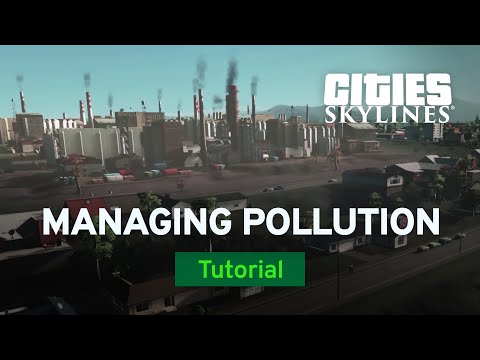
Yes, pollution can eventually disappear in Cities: Skylines, but it requires careful city planning, strategic implementation of cleaner technologies, and patience. While pollution is a persistent challenge, especially in the early stages of development, it’s not an insurmountable one. Effective pollution management is crucial for a thriving and healthy city.
Understanding Pollution in Cities: Skylines
Pollution in Cities: Skylines manifests in several forms, each impacting your city in distinct ways. Primarily, we’re concerned with:
- Ground Pollution: Primarily generated by industry and landfills, ground pollution affects land value, resident health, and overall city attractiveness.
- Air Pollution: Produced by power plants (especially coal), industry, and traffic, air pollution directly impacts resident health and can lead to widespread sickness.
- Noise Pollution: Primarily caused by traffic, industry, and airports, noise pollution reduces land value and can negatively impact resident happiness.
- Water Pollution: Primarily caused by sewage outlets emptying into water bodies, water pollution contaminates drinking water and affects downstream areas.
The game simulates the spread and dissipation of these pollutants based on various factors like wind direction, terrain, and proximity to polluting sources. Recognizing the source and impact of each type of pollution is the first step toward effectively mitigating it.
Strategies for Reducing and Eliminating Pollution
Successfully reducing and eventually eliminating pollution in Cities: Skylines requires a multi-pronged approach:
1. Clean Energy Production
- Transition to Renewable Energy: Replace coal and oil power plants with cleaner alternatives like wind turbines, solar power plants, hydroelectric dams, and geothermal power plants. These options produce little to no air pollution.
- Nuclear Power (Carefully): Nuclear power plants offer a large power output with relatively low air pollution, but they come with the risk of meltdowns and persistent ground pollution if not managed correctly. Ensure proper safety protocols are in place.
- Optimize Power Grid: Efficiently manage your power grid to minimize waste and overproduction. Use power demand monitors and adjust production accordingly.
2. Sustainable Industry
- Invest in Office Zones: Offices produce significantly less pollution than heavy industry and contribute to a highly educated workforce.
- Specialized Industries (with Policies): Forestry, Farming, and Ore/Oil industries, when specialized, can be less polluting than generic industry. Implement industry-specific policies to further mitigate their impact.
- Industry 4.0 (Green Industry): Unlock Industry 4.0 through education and policy. This type of industry produces very little pollution.
3. Efficient Waste Management
- Recycling Centers: Implement recycling centers to reduce the amount of waste sent to landfills. This reduces ground pollution.
- Incineration Plants (Carefully): Incineration plants burn waste to produce electricity, but they also generate air pollution. Strategically place them and use policies to minimize their environmental impact.
- Ultimate Recycling Plant: The most effective solution, the Ultimate Recycling Plant completely eliminates pollution from waste processing.
4. Traffic Management
- Public Transportation: Invest heavily in buses, trams, metros, trains, and ferries to encourage citizens to use public transportation instead of cars.
- Road Hierarchy: Implement a well-planned road hierarchy to minimize congestion and traffic bottlenecks.
- Walking and Cycling Infrastructure: Provide pedestrian and bicycle paths to encourage non-motorized transportation, especially for short distances.
- Traffic Flow Optimization: Utilize one-way roads, roundabouts, and timed traffic lights to improve traffic flow and reduce idling.
5. Water Treatment
- Water Treatment Plants: Use water treatment plants to clean sewage before discharging it into water bodies.
- Pumping Stations Upstream: Place pumping stations upstream of your water intakes to provide clean water to your citizens.
- Avoid River Pollution: Carefully plan your sewage outlets to avoid polluting rivers, which can carry pollution downstream.
6. Strategic Zoning
- Buffer Zones: Create buffer zones between polluting industries and residential areas using parks, offices, or commercial zones.
- Wind Direction: Consider wind direction when placing polluting industries. Place them downwind of residential areas to minimize the impact of air pollution.
7. Policies and Ordinances
- Environmental Policies: Implement city-wide policies that promote sustainable practices and reduce pollution.
- Industry-Specific Policies: Use industry-specific policies to further mitigate the environmental impact of specialized industries.
8. Patience and Monitoring
- Monitor Pollution Levels: Regularly monitor pollution levels throughout your city using the pollution data layers.
- Gradual Transition: Transition to cleaner technologies gradually to avoid disrupting your city’s economy and services.
- Time for Dissipation: Ground pollution can take time to dissipate even after the source is removed. Be patient and allow the environment to recover.
FAQs: Pollution in Cities: Skylines
1. How long does it take for pollution to go away in Cities: Skylines?
The time it takes for pollution to disappear depends on the severity of the pollution, the implemented mitigation strategies, and the type of pollution. Ground pollution from landfills can take a significant amount of time (in-game years) to dissipate, even after the landfill is emptied. Air and noise pollution decrease much quicker after their sources are removed.
2. Can I build residential areas near industry without causing pollution problems?
Yes, but it requires careful planning. Create buffer zones with parks, offices, or commercial zones between residential and industrial areas. Implement pollution-reducing policies and use cleaner industrial technologies.
3. Are some industries more polluting than others?
Yes. Heavy industry (generic industry) is the most polluting. Specialized industries (forestry, farming, ore, and oil) can be less polluting, especially with appropriate policies. Offices produce very little pollution.
4. How do recycling centers help reduce pollution?
Recycling centers reduce the amount of waste sent to landfills, thereby reducing ground pollution. They also free up landfill space, allowing you to delay building new landfills.
5. Does wind direction affect the spread of air pollution?
Yes, wind direction plays a significant role. Air pollution travels downwind, so placing polluting industries downwind of residential areas will minimize the impact on your citizens.
6. What is the best way to deal with sewage in Cities: Skylines?
The best approach is to use water treatment plants to clean sewage before discharging it into water bodies. Avoid dumping raw sewage directly into rivers, as this pollutes the water and affects downstream areas.
7. How does noise pollution affect my city?
Noise pollution reduces land value and can negatively impact resident happiness. It’s primarily caused by traffic, industry, and airports. Mitigate it by using sound barriers, reducing traffic, and strategically placing noisy infrastructure.
8. What are some effective ways to reduce traffic congestion?
Invest in public transportation (buses, trams, metros, trains), implement a well-planned road hierarchy, provide walking and cycling infrastructure, and optimize traffic flow with one-way roads and roundabouts.
9. Can parks help reduce pollution?
Parks primarily improve land value and citizen happiness. They can also act as buffer zones between polluting industries and residential areas, minimizing the impact of pollution.
10. Are there any policies that can help reduce pollution?
Yes, many policies can help. Examples include policies that promote sustainable practices, encourage public transportation, and regulate industry emissions. Industry-specific policies can further mitigate the environmental impact of specialized industries.
11. How do I know if my city is polluted?
Use the pollution data layers to monitor pollution levels throughout your city. These layers show the levels of ground, air, and noise pollution.
12. What happens if my citizens are exposed to high levels of pollution?
High levels of pollution can lead to widespread sickness, reduced land value, and decreased citizen happiness. This can negatively impact your city’s economy and growth.
13. Is it possible to completely eliminate pollution in Cities: Skylines?
While challenging, it’s possible to significantly reduce pollution to very low levels. Eliminating all forms of pollution is difficult, especially in large, complex cities, but striving for sustainability is a worthwhile goal. The ultimate Recycling Plant can remove all pollution from garbage.
14. Can I move my landfills to a less populated area?
Yes, moving landfills is a viable strategy. However, remember that landfills generate significant ground pollution. Empty the landfill and allow the ground pollution to dissipate before building anything else on the former landfill site.
15. What are the benefits of having a clean city in Cities: Skylines?
A clean city has higher land value, healthier and happier citizens, a more attractive environment for tourism, and a stronger economy. It’s also a more sustainable and resilient city in the long run.
By understanding the sources of pollution and implementing these strategies, you can create a thriving and environmentally friendly city in Cities: Skylines. Remember, sustainable development is key to long-term success.