Does Uninstalling Things Make Your Computer Faster? The Truth Unveiled
Fast answer first. Then use the tabs or video for more detail.
- Watch the video explanation below for a faster overview.
- Game mechanics may change with updates or patches.
- Use this block to get the short answer without scrolling the whole page.
- Read the FAQ section if the article has one.
- Use the table of contents to jump straight to the detailed section you need.
- Watch the video first, then skim the article for specifics.
The short answer is yes, uninstalling programs and files can often make your computer faster. However, the degree to which it speeds up your system depends on several factors, including what you uninstall, how you uninstall it, and the overall state of your computer. Let’s delve deeper into this fascinating topic and explore how you can reclaim your computer’s lost speed.
Why Uninstalling Can Improve Performance
At its core, a computer’s performance is a delicate balance between available resources and the demands placed upon them. When you install software, it often consumes more than just hard drive space. Here’s how:
- Disk Space: This is the most obvious impact. A full hard drive can significantly slow down your computer, as the operating system struggles to find contiguous space for new files or to swap data.
- Background Processes: Many programs run processes in the background, even when you’re not actively using them. These processes consume CPU cycles and RAM, impacting overall system responsiveness.
- Startup Programs: Some programs are configured to launch automatically when you boot your computer. This can drastically increase startup time and consume resources from the moment you turn on your machine.
- Registry Entries: Uninstalling software improperly can leave behind residual registry entries. Over time, these orphaned entries can clutter the registry and potentially slow down the system.
- Temporary Files: Programs often create temporary files, which may not always be properly deleted after use. These files can accumulate and contribute to disk clutter.
Uninstalling unnecessary programs and files frees up these resources, allowing your computer to operate more efficiently.
Understanding the Nuances
While uninstalling can certainly help, it’s not a magic bullet. Here are some important considerations:
- The Importance of Uninstalling Unused Programs: Removing programs you never use is a good starting point. These programs are likely just sitting there, consuming disk space and potentially running background processes.
- Careful Consideration of Essential Programs: Don’t uninstall programs you need for essential functions. For example, uninstalling your antivirus software will undoubtedly free up resources, but it will also leave your computer vulnerable to malware.
- Using the Proper Uninstall Method: Avoid simply deleting program files from the program directory. This leaves behind registry entries and other residual files. Always use the program’s uninstaller (usually found in the Control Panel or Settings) or a dedicated uninstaller utility.
- The Role of System Optimization: Uninstalling programs is just one piece of the puzzle. Consider performing other system optimization tasks, such as defragmenting your hard drive (if you’re not using an SSD), running a disk cleanup utility, and scanning for malware.
The Impact of Different Types of Software
The type of software you uninstall also impacts the potential performance gains:
- Large Applications: Uninstalling large applications like video editing software, games, or CAD programs can have a significant impact on disk space and overall performance.
- Browser Extensions: Browser extensions can often slow down your browser and consume system resources. Regularly review and uninstall unused or unnecessary extensions.
- Bloatware: Many new computers come pre-installed with bloatware – trial versions of software or promotional applications. These programs often consume resources and can be safely uninstalled.
- Background Utilities: Utilities that constantly run in the background, such as monitoring software or automatic backup programs, can have a noticeable impact on performance.
Monitoring Your System’s Performance
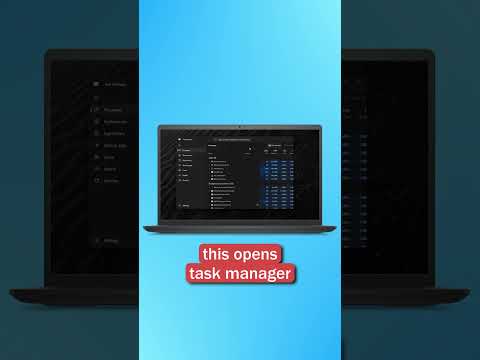
Before and after uninstalling programs, it’s a good idea to monitor your system’s performance to gauge the impact. You can use the Task Manager (Windows) or Activity Monitor (macOS) to track CPU usage, memory usage, and disk activity.
Additional Factors Affecting Performance
Keep in mind that uninstalling programs is just one aspect of maintaining a fast and responsive computer. Other factors that can affect performance include:
- Hardware Limitations: An older computer with limited RAM or a slow processor will likely benefit less from uninstalling programs than a newer, more powerful machine.
- Operating System Health: A corrupted or outdated operating system can significantly impact performance. Consider reinstalling or upgrading your operating system.
- Malware Infections: Malware can consume system resources and significantly slow down your computer. Run regular scans with a reputable antivirus program.
- The importance of educational resources: Access to educational material, such as the resources provided by Games Learning Society, is crucial in improving digital literacy and optimizing system performance. Find more on this topic at GamesLearningSociety.org.
FAQs About Uninstalling and Computer Speed
1. Will uninstalling a game I no longer play make my computer faster?
Yes, uninstalling games, especially large ones, can free up a significant amount of disk space and potentially reduce background processes, leading to a faster computer, especially if you’re running low on storage space.
2. How do I properly uninstall a program in Windows?
Go to Control Panel -> Programs -> Programs and Features. Select the program you want to uninstall and click “Uninstall.” Alternatively, you can go to Settings -> Apps -> Apps & Features.
3. How do I properly uninstall a program on a Mac?
Drag the application icon from the Applications folder to the Trash. Then, empty the Trash. For a more thorough uninstall, you may need to remove associated files from the Library folder (accessed by holding the Option key and clicking Go in the Finder menu).
4. What is bloatware, and should I uninstall it?
Bloatware is pre-installed software that often comes with new computers. It’s typically trial versions, promotional applications, or utilities you may not need. Yes, you should generally uninstall bloatware, as it consumes resources and can slow down your computer.
5. Can I just delete a program’s folder to uninstall it?
No. Simply deleting a program’s folder leaves behind registry entries and other residual files. This can lead to system instability and won’t free up as much space as using the proper uninstaller.
6. What are registry entries, and why are they important?
Registry entries are settings and configurations stored in the Windows Registry. They tell the operating system how to handle various software and hardware components. Orphaned or corrupted registry entries can cause performance problems.
7. Should I use a registry cleaner?
Using a registry cleaner can be risky, as it can potentially delete essential registry entries if not used carefully. Generally, it’s best to avoid using registry cleaners unless you’re an experienced user.
8. Does uninstalling programs affect my operating system?
Generally, no, unless you accidentally uninstall essential system files or programs. Stick to uninstalling applications you installed yourself.
9. Will uninstalling a program delete my files?
It depends. Uninstalling a program will typically remove the program’s core files, but it may or may not delete your data files. Always back up important files before uninstalling anything, just in case.
10. What is the difference between uninstalling and disabling a program?
Uninstalling removes the program entirely from your system. Disabling prevents the program from running, but it still occupies disk space and may continue to consume resources.
11. How do I prevent programs from starting automatically?
In Windows, use the Task Manager’s Startup tab to disable programs from launching at startup. On macOS, go to System Preferences -> Users & Groups -> Login Items.
12. What are temporary files, and how do I delete them?
Temporary files are files created by programs to store temporary data. You can delete them using the Disk Cleanup utility in Windows or by manually deleting them from the Temp folder (search for %temp% in the File Explorer). macOS handles temp file cleanup automatically
13. How do I know which programs are slowing down my computer?
Use the Task Manager (Windows) or Activity Monitor (macOS) to monitor CPU usage, memory usage, and disk activity. This will help you identify programs that are consuming excessive resources.
14. What other things can I do to speed up my computer?
In addition to uninstalling programs, consider defragmenting your hard drive (if you’re not using an SSD), running a disk cleanup utility, scanning for malware, updating your drivers, and upgrading your hardware.
15. Is there any software that can help me uninstall programs more effectively?
Yes, there are dedicated uninstaller utilities like Revo Uninstaller or IObit Uninstaller. These programs can often remove residual files and registry entries that are left behind by the standard uninstaller. They work by monitoring the installation of new programs, and therefore can more effectively remove software later.
In conclusion, uninstalling unnecessary programs can be a valuable step in improving your computer’s performance. However, it’s important to understand the nuances and to approach the process carefully. By following these guidelines, you can reclaim your computer’s lost speed and enjoy a smoother, more responsive computing experience. Remember to continually assess what you have installed and determine if you actively use the applications.