How Controversial Was “No Russian”?
Fast answer first. Then use the tabs or video for more detail.
- Watch the video explanation below for a faster overview.
- Game mechanics may change with updates or patches.
- Use this block to get the short answer without scrolling the whole page.
- Read the FAQ section if the article has one.
- Use the table of contents to jump straight to the detailed section you need.
- Watch the video first, then skim the article for specifics.
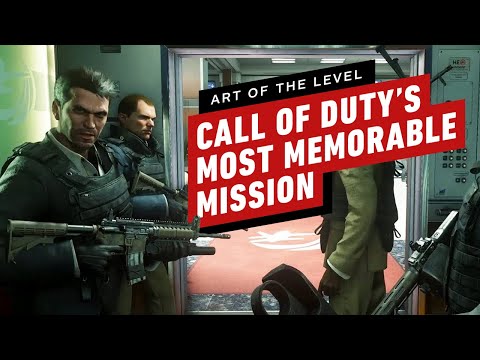
“No Russian,” a mission from the 2009 video game Call of Duty: Modern Warfare 2, stands as one of the most controversial moments in gaming history. Its release sparked widespread outrage, critical analysis, and even real-world consequences, solidifying its place as a watershed moment in popular video game development. The core reason for this controversy lies in its unprecedented depiction of a terrorist attack in which the player is not just a witness, but an active participant. This goes far beyond merely witnessing fictional violence; “No Russian” forces players to make a decision about their own morality. This is the root of its intense controversy. The player becomes complicit in the indiscriminate murder of innocent civilians at a Moscow airport, an act that many found to be gratuitous, disturbing, and morally reprehensible. The mission’s intent, while arguably linked to the plot’s narrative, was overshadowed by its shocking nature and the player’s forced involvement.
The Shock Value of “No Russian”
The controversy surrounding “No Russian” is multifaceted, involving both the graphic violence and the player agency inherent in the mission. Unlike other violent games where the player is a heroic figure battling against antagonists, “No Russian” places the player in the boots of an undercover operative working alongside a group of terrorists. Players are compelled to participate in a massacre of unarmed civilians, a scenario that few were prepared for. This unexpected shift in perspective from protagonist to perpetrator was deeply unsettling, causing many players to feel a sense of unease and moral conflict. The impact of the mission was further amplified by its depiction of realistic and indiscriminate violence, mirroring the kind of brutality often associated with real-world terrorist attacks.
The developers, Infinity Ward, aimed to use the mission to further the plot, to demonstrate the ruthless nature of the antagonist, Makarov, and to illustrate the lengths to which he would go to achieve his goals. However, the shocking presentation and the player’s direct involvement in the unfolding horror were perceived by many as beyond mere plot development. The controversy quickly escalated beyond gaming circles, becoming a talking point in mainstream media, with discussions on the ethics of representing real-world violence and its potential effects on players.
The Intended Narrative vs. Public Perception
Designer Mohammad Alavi stated that the intent behind the “No Russian” mission was threefold: to provide a plausible motive for Russia to attack the United States, to create an emotional connection between the player and the antagonist Makarov, and to do so in a memorable way. However, this narrative ambition was largely overshadowed by the raw, graphic content and the player’s compulsory participation in the airport massacre. While the mission did succeed in making Makarov appear ruthless and helped fuel the narrative’s fire, the overwhelming public reaction focused on the problematic representation of terrorism and its potential desensitizing effects. Many believed the mission glorified or trivialized real-world violence rather than achieving its narrative goals.
The backlash was swift and intense. Many argued that the game crossed a line by forcing players to participate in what amounted to a virtual mass shooting. The controversy intensified due to the lack of a meaningful choice. While some players attempted to avoid killing civilians by not firing their weapons, these actions were seen as minimal and largely ineffective in the context of the mission, further underlining the lack of true agency and reinforcing the feeling of being a forced participant in a horrific act.
Real-World Repercussions and Censorship
The impact of “No Russian” was not confined to virtual worlds. There were claims of it being linked to real-world acts of violence, further fueling the controversy and debate surrounding the game. While these claims were not definitively proven, they were enough to spark concerns about the potential influence of violent video games on susceptible individuals. The mission’s controversy prompted global debates about video game censorship and led to the removal or modification of the “No Russian” mission in various international versions of Modern Warfare 2. In countries like Russia, where the game was completely banned, the decision was made based on the absence of a formal rating system for games, while also reflecting the government’s sensitivity about portraying the nation in a negative light.
The “No Russian” mission highlights the complex relationship between video game developers, players, and real-world issues. It forced a debate about where the boundaries of interactive entertainment should lie and whether the pursuit of a gripping narrative should come at the expense of ethical considerations. The mission’s legacy continues to resonate within the gaming industry, serving as a cautionary tale about the potential impact and consequences of depicting graphic violence.
Frequently Asked Questions (FAQs)
1. What exactly happens in the “No Russian” mission?
In “No Russian,” the player, as an undercover CIA agent, participates in a terrorist attack at a Moscow airport, indiscriminately killing innocent civilians alongside the villain Makarov and his group.
2. Why is it called “No Russian”?
The title refers to Makarov’s final instruction to his group before the attack: “Remember… no Russian.” This was meant to disguise their identities and make it appear as though Americans had conducted the attack, creating false justification for an attack on the U.S.
3. Was the “No Russian” event based on a real event?
No, “No Russian” is entirely fictional and part of the Call of Duty game’s storyline. However, some felt it was too close to real-world terrorist attacks, which heightened its controversy.
4. How many people were killed in the “No Russian” mission?
A total of 243 people were killed during the airport massacre, according to in-game and related materials.
5. What were the developer’s goals when creating “No Russian”?
According to lead designer Mohammad Alavi, the three goals were to explain why Russia would attack the U.S., to give the player an emotional connection with the antagonist Makarov, and to create a memorable experience.
6. Did the player have a choice in participating in the killings?
While players could choose not to fire their weapons, the narrative forced them to be present and witness the massacre unfold, effectively making them complicit in the violence. There was no way to avoid being part of the mission.
7. Which countries banned or censored the “No Russian” mission?
The mission was entirely removed from the Russian version of the game. Other versions of the game were censored or modified in various countries due to graphic violence.
8. Why did Makarov want to frame the Americans for the attack?
Makarov’s goal was to instigate a war between the U.S. and Russia. By staging the attack and making it look like it was orchestrated by Americans, he hoped to provoke Russia to retaliate.
9. What was the public reaction to the “No Russian” mission?
The public reaction was largely negative, with many criticizing the mission for being too violent, gratuitous, and ethically problematic. It sparked widespread media debate about the portrayal of violence in video games.
10. How did the “No Russian” mission impact the game’s overall narrative?
“No Russian” was a critical plot point designed to establish Makarov as a ruthless villain, and to create a plausible pretext for the war that unfolds in Modern Warfare 2.
11. Why did Captain Price launch the EMP attack on the United States?
Price launched the EMP to cripple Russian forces’ electronic weapons systems, allowing American forces a better chance to defend themselves, and to halt their progress.
12. Why did Makarov hate Captain Price?
Makarov blamed Price, along with other members of Task Force 141, for the death of his mentor, Imran Zakhaev, and sought revenge.
13. Who was ultimately responsible for the “No Russian” massacre?
While the player participates as an undercover agent, the massacre was orchestrated by Vladimir Makarov, the primary antagonist of Modern Warfare 2.
14. What is the legacy of the “No Russian” mission in video game history?
The “No Russian” mission is remembered as a controversial moment that challenged the boundaries of interactive storytelling and sparked significant debate about the ethical implications of depicting graphic violence in video games. It remains a touchstone for discussions about game censorship and the impact of media on society.
15. Was the “No Russian” mission part of a larger trend of violent video games?
Yes, “No Russian” came at a time when violent games were a point of increasing controversy, pushing the limits of what was considered acceptable. The game was a major part of the ongoing debate about video game violence and its potential societal effects.